For toddlers under 2, wholegrain granola should not be the automatic breakfast choice: the NHS advises against offering only wholegrain starchy foods at this age, and whole nuts must be crushed or flaked for children under 5. For a child aged 2 or over, check the current pack for whole nuts, hard clusters, sugars and allergens before serving, and consider unsweetened porridge or a lower-sugar cereal when the texture is uncertain.
Who this is for
Parents of toddlers aged 1 to under 2
Granola is not a default wholegrain breakfast at this age. The NHS says it is not a good idea to give under-2s only wholegrain starchy foods, as high-fibre foods may fill a child before they get enough calories and nutrients.
Parents of toddlers aged 2 to 4 who enjoy crunchy breakfast foods
Check each pack for whole nuts, hard clusters, sugars and allergens. The NHS says whole nuts must be crushed or flaked for children under 5.
Parents packing breakfast for nursery or an early-years setting
Confirm the setting’s own food policy and read the current ingredients panel. The Food Standards Agency requires the 14 regulated allergens to be emphasised in the ingredients list of pre-packed food.
What to check before buying
Start with texture and age suitability, then compare the ingredients panel, sugars and allergen information on the pack you are buying.
Porridge or lower-sugar cereal instead
When it fits: Choose this for a younger toddler, uncertain crunchy-texture tolerance, or a granola with unclear nut content.
Trade-off: It does not provide the ready-to-eat crunchy granola format, but avoids relying on an adult granola recipe.
Wholegrain cereal after age 2
When it fits: Consider it when the child manages textured foods safely and wholegrain is one part of a varied diet.
Trade-off: Wholegrain foods can be filling, so they should not be the only starchy choice for an under-2.
Nut-rich granola
When it fits: Do not serve products containing whole almonds, hazelnuts or other whole nuts unchanged to a child under 5.
Trade-off: A lower-sugar label or wholegrain recipe does not remove the need to manage whole-nut choking risk.
| Priority |
What to check |
Your needs |
| Texture safety |
Check for whole nuts, peanuts and hard clusters. Assess whether the cereal softens with milk or yoghurt, and supervise seated eating. |
I want breakfast pieces my child can manage safely. Whole nuts and peanuts should be crushed or flaked for children under 5, according to the NHS. |
| Wholegrain level for age |
For an under-2, avoid making wholegrain cereal the only starchy food. For older toddlers, introduce more wholegrain foods gradually as part of variety. |
I want wholegrain to sit alongside other breakfast foods rather than become the only cereal base. |
| Sugars and ingredients |
Compare total sugars between similar products and read the ingredients list. Check whether the recipe includes sweeteners such as honey, syrup, nectar or sugar. |
I am looking for a breakfast cereal with a recipe that suits our usual meals, rather than choosing on a front-of-pack claim alone. |
| Allergens and setting rules |
Read emphasised allergen ingredients and any precautionary statement on the current pack. Confirm the nursery or school policy before packing it. |
I need to identify ingredients such as gluten-containing cereals, milk and nuts, and make sure the food is accepted by the receiving setting. |
Common buying mistakes
-
Treating a low-sugar claim as proof that granola is toddler-safe
Lizi’s Low Sugar Nuts and Seeds Granola contains whole almonds and carries a warning that small children can choke on nuts. Texture and choking checks come before nutrient claims.
Read the ingredient list and safety statement first. Do not serve whole-nut products unchanged to a child under 5; nuts need to be crushed or flaked before serving.
-
Assuming every wholegrain product suits a child under 2
Wholegrain foods can be filling. The NHS says it is not a good idea to give under-2s only wholegrain starchy foods.
Offer a varied mix of starchy foods and use age-appropriate cereal or porridge rather than making wholegrain granola the default breakfast.
-
Assuming gluten-free means nut-free, lower in sugar or toddler-ready
Gluten-free granola can still be crunchy, seed-heavy, sweetened or carry nut and peanut precautionary statements.
Choose gluten-free only where it is needed, then separately check texture, ingredients, sugars and allergen information.
-
Relying on an online listing instead of the pack in hand
Ingredients, allergen information and nutrition can change, which matters when a product may contain nuts, gluten-containing cereals, milk or precautionary allergen statements.
Recheck the physical label when buying, especially after a packaging change or before sending food to a setting with an allergen policy.
Relevant brand references
Dorset Cereals
A UK breakfast-cereal brand; the supplied product reference is Simply Delicious Muesli rather than granola.
- The referenced product is a 650g muesli.
- Check the physical pack for nuts, dried fruit, gluten-containing cereals and texture before considering it for a toddler.
Lizi’s
Offers wholegrain oat granolas, including low-sugar and nut-and-seed recipes.
- Lizi’s Low Sugar Nuts and Seeds Granola lists 65% wholegrain oat flakes.
- It contains whole almonds and hazelnut pieces, and its pack warns that small children can choke on nuts.
Jordans
Offers wholegrain oat granolas ranging from simple honey clusters to fruit-and-nut recipes.
- Simply Granola is described as toasted wholegrain oat and honey clusters.
- Jordans Fruit & Nut Granola contains whole almonds and is not suitable unchanged for a child under 5.
Rude Health
Offers wholegrain granolas with organic and lower-sugar variants.
- The range includes wholegrain cereal recipes with nuts, seeds and honey.
- Organic Ultimate Granola contains almonds and hazelnuts, while Chocolate Crunch includes chopped almonds and raw cane sugar.
Eat Natural
Offers seed-led wholegrain and gluten-free granola options.
- Gluten-free options are available within the range.
- The referenced recipes include almonds or substantial mixed seeds, and may carry nut or peanut statements; check texture and allergens.
Nature’s Path
Offers organic gluten-free wholegrain oat granola.
- Mixed Berries & Yogurt Granola is labelled gluten-free and lists 60% gluten-free wholegrain rolled oats.
- It is described as crunchy and may contain peanut and tree-nut traces, so gluten-free status alone does not establish toddler suitability.
Joybuy product options
Joybuy options for the lower-texture cereal or cooked-porridge route, rather than ready-to-eat granola for toddlers.
 No image available
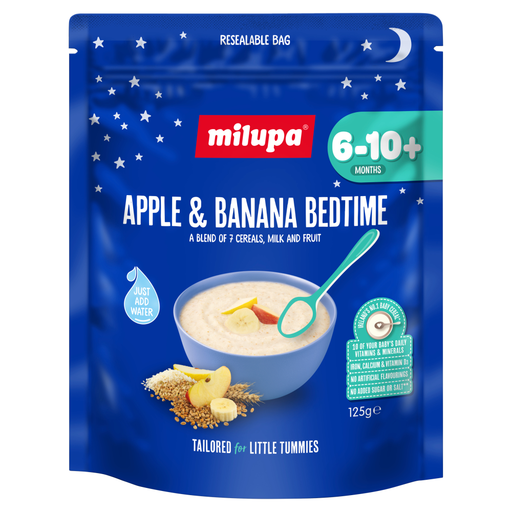
Milupa Apple & Banana Bedtime Cereal 6-10+ Months, 125g
A spoon-fed cereal option for younger toddlers or when crunchy textures are not suitable.
The supplied listing states 37% cereals, including 33% wholegrain wheat plus wholegrain rye, oat and spelt, with no added sugar or salt stated. It contains milk, wheat, rye, oats, spelt and soya lecithin; check the child’s dietary plan and the setting’s allergen policy.
Joybuy
 No image available
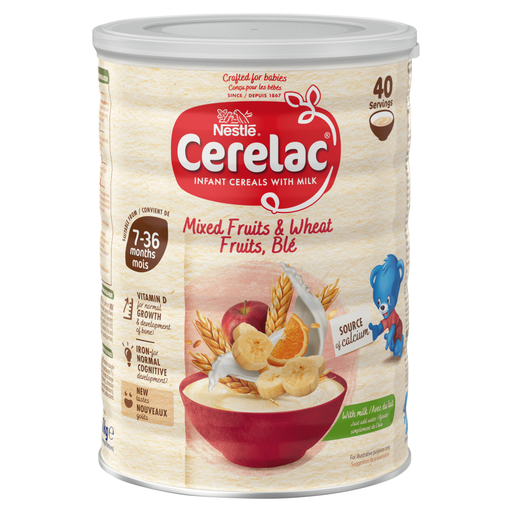
Nestlé Cerelac Mixed Fruits & Wheat With Milk, 7-36 Months, 1kg
A smooth-prepared alternative when a spoon-fed cereal is more suitable than crunchy granola.
The listing is for children aged 7 months and over and states 28g total sugars per 100g. It contains wheat and milk; wholegrain content is not stated, so check the current pack if wholegrain is essential.
Joybuy
 No image available
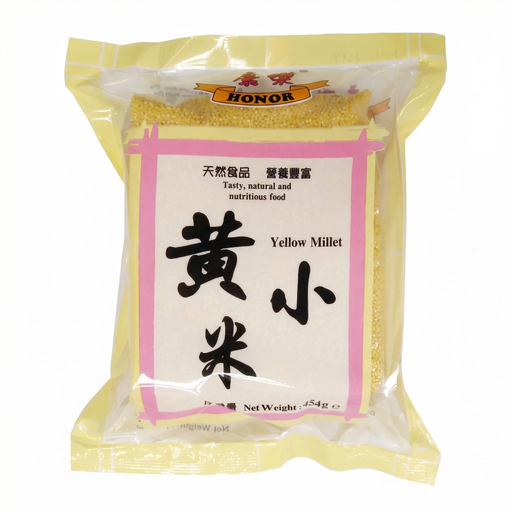
Honor Yellow Millet, 454g
A simple cooked-porridge route instead of a crunchy granola breakfast.
The supplied listing gives yellow millet as the only ingredient and states 1.5g sugars per 100g. It must be washed and thoroughly cooked; check that the finished porridge is soft enough for the individual child and verify allergen information on the current pack if needed.
Joybuy
Frequently asked questions
Can a toddler have wholegrain granola every day?
Not as an automatic everyday choice. The NHS says under-2s should not have only wholegrain starchy foods because high-fibre foods may fill them before they get enough calories and nutrients; for children aged 2 and over, introduce more wholegrain foods gradually as part of a varied diet.
Can I give a toddler granola containing almonds or hazelnuts?
Do not serve whole nuts to a child under 5. The NHS says whole nuts and peanuts should be crushed or flaked, so a granola containing whole almonds or hazelnuts is not ready to serve unchanged to a toddler.
Should I choose the granola with the lowest total sugars?
Use total sugars to compare similar products, but inspect the ingredients list as well. A lower number does not answer the texture, whole-nut or allergen questions that also matter for toddler breakfast.
Does all granola contain gluten?
No. Gluten-free granolas are available, including examples from Eat Natural and Nature’s Path, but other granolas use gluten-containing cereals or may carry cross-contact statements. Check the current label rather than assuming the whole category contains gluten or is gluten-free.
What should I check before packing granola for nursery or school?
Check the setting’s current allergen policy first, then read the exact pack’s ingredients and allergen statement. The Food Standards Agency says the 14 regulated allergens must be emphasised in the ingredients list of pre-packed food, while individual settings may have stricter rules on nuts or particular foods.


