Families choosing an everyday breakfast drink
For parents deciding what to offer routinely, the NHS’s starting point for children is water or milk, rather than a sweet chocolate drink.


For a toddler’s everyday breakfast, choose water or plain milk rather than hot chocolate: the NHS identifies water and milk as the preferred drinks for children. If you serve hot chocolate occasionally, compare sugars in the drink as prepared, check the current pack for allergens and let it cool before serving; a dark or luxury-style name does not establish that it suits a toddler.
For parents deciding what to offer routinely, the NHS’s starting point for children is water or milk, rather than a sweet chocolate drink.
For parents comparing an occasional drink, the useful label details are sugars in the prepared serving, the liquid used and the ingredients on the current pack. Dark or luxury-style wording does not replace those checks.
For a child with a diagnosed allergy or clinician-directed exclusion diet, check the current ingredients and suitability statements against their allergy plan. The cited hot chocolates have differing milk, soya, nut and peanut information.
Decide whether the drink is for the usual breakfast routine or an occasional occasion before comparing hot-chocolate labels.
| Priority | What to check | When it matters |
|---|---|---|
| Everyday drink | For a regular breakfast drink, start with water or plain milk. The NHS identifies these as the preferred drinks for children and says cow’s milk can be a main drink from age one. | I’m choosing what to offer most mornings, rather than selecting an occasional chocolate drink. |
| Prepared-drink sugars | Read the stated powder quantity, added liquid and sugars for the prepared serving. Tesco lists 23 g sugars for a Cadbury serving made with 18 g powder and 200 ml semi-skimmed milk; Sainsbury’s lists 16 g for a Galaxy serving made with 25 g mix and 200 ml hot water. These are different recipes, not toddler portions. | If I serve hot chocolate occasionally, I want to know what the completed drink contains, rather than comparing powder figures alone. |
| Allergens | Check the current pack’s ingredients, highlighted allergens, precautionary wording and suitability statement, as well as the liquid used to prepare the drink. A dark-chocolate name does not establish that a product is free from milk or other allergens. | A child in my household has a food allergy or a diet that requires particular ingredients to be avoided. |
| Serving temperature | Prepare hot drinks out of reach, keep them away from edges and allow them to cool before offering them. Healthier Together NHS warns that a hot drink can burn a child for up to 15 minutes after it is made. | Breakfast preparation puts a hot cup near a toddler who might reach for it. |
A sweet chocolate drink changes what is being served at breakfast. The NHS identifies water and milk as the preferred drinks for children, while the Scientific Advisory Committee on Nutrition associates high sugar consumption with greater tooth-decay risk.
Keep water or plain milk as the routine drink and make any hot chocolate an occasional choice.
A sugar figure for a drink made with milk is not directly comparable with one made with water or a figure for powder alone.
Note the powder quantity, liquid and sugars for the stated prepared serving. Do not treat a retailer’s adult serving as a toddler portion.
Marks & Spencer states that its cited 70% dark flakes are unsuitable for people with milk, nut or peanut allergy; its cited salted-caramel drinking chocolate contains milk and soya ingredients.
Read each current pack and follow the child’s allergy plan instead of relying on flavour, cocoa percentage or a previous purchase.
Healthier Together NHS warns that hot drinks can burn young children even some time after preparation.
Keep the cup out of reach and away from table edges, then offer the drink only after it has cooled sufficiently.
These examples show why preparation directions and the exact product label matter more than an adult-style flavour description.
Tesco lists a Cadbury drinking chocolate prepared with hot milk.
Sainsbury’s lists a Galaxy instant mix prepared with hot water.
Tesco lists Options flavours including Belgian chocolate, mint and salted caramel.
Tesco lists own-label and branded hot chocolates in its UK grocery range.
Sainsbury’s product listings can set out preparation, ingredients and nutrition for a named hot chocolate.
Marks & Spencer lists Collection products including 70% dark hot-chocolate flakes and salted-caramel drinking chocolate.
These drinking chocolates are options to examine if you are buying for an occasional drink. For a toddler’s usual breakfast, the NHS’s preferred drinks remain water and milk; check each product’s current pack before preparing or serving it.
 No image available
For an occasional drink, check the pack’s directions and sugars for the drink as prepared rather than treating a stated serving as a toddler portion. Read its current milk-allergen wording before use.
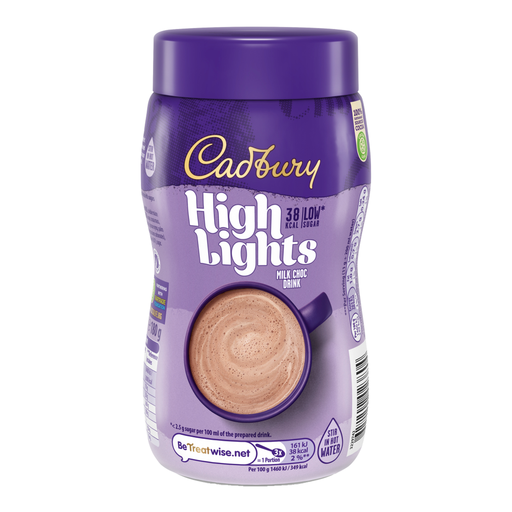 No image available
If comparing this occasional drink with another mix, check the pack’s preparation directions and the basis for its prepared-drink sugar figure. Milk is identified in its ingredient information, so follow the child’s allergy plan where relevant.
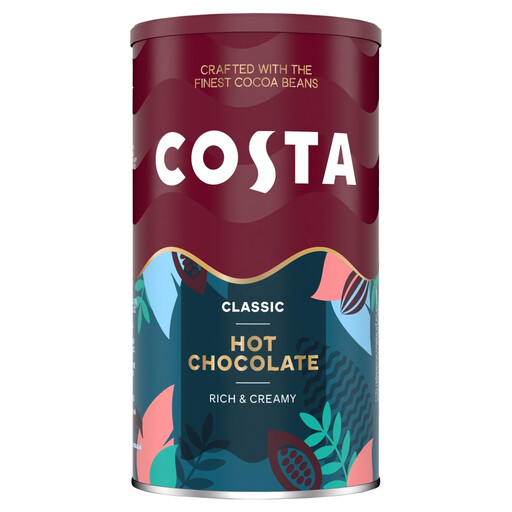 No image available
When considering an occasional cup, check the pack’s recipe and the sugars in the completed drink; a powder-only figure will not describe a drink made with milk. Include the chosen liquid in any allergy check.
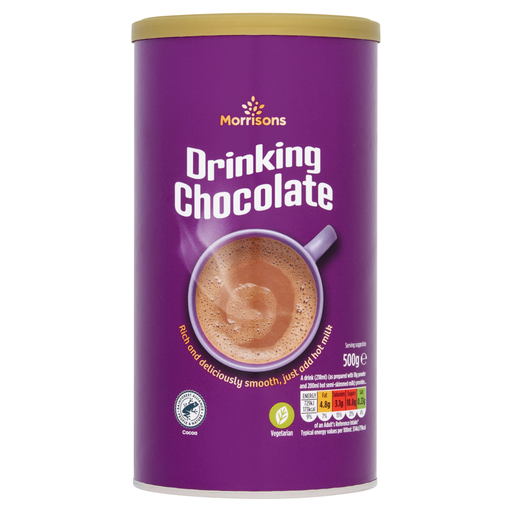 No image available
For an occasional drink, establish the pack’s serving quantity and milk-based preparation before comparing sugars with another product. Check both the powder label and the milk used against the child’s allergy requirements.
Choose water or plain milk for the everyday drink instead: the NHS identifies these as the preferred drinks for children. The Scientific Advisory Committee on Nutrition also associates high sugar consumption with greater tooth-decay risk, so treat hot chocolate as an occasional choice.
No conclusion about toddler suitability follows from those descriptions. Check the prepared drink’s sugars and the current ingredients and allergy statements; Marks & Spencer says its cited 70% dark flakes are unsuitable for people with milk, nut or peanut allergy.
Compare the drinks as prepared to their stated directions, noting the powder quantity and liquid. Tesco lists 23 g sugars for a Cadbury serving made with 18 g powder and 200 ml semi-skimmed milk, while Sainsbury’s lists 16 g for a Galaxy serving made with 25 g mix and 200 ml hot water; these are different recipes and neither figure is a toddler portion.
Read the current pack’s ingredients, highlighted allergens, suitability statement and precautionary wording, and include the preparation liquid in that check. Follow the child’s diagnosed-allergy or clinician-directed dietary plan rather than choosing by brand name or cocoa percentage.
Prepare it out of reach, keep it away from edges and offer it only after it has cooled sufficiently. Healthier Together NHS warns that a hot drink can burn a child for up to 15 minutes after it is made.