What matters when choosing?
Decide first whether this is a routine drink or an occasional chocolate drink. Then compare the dry products on the same basis and check the ingredients of the drink you would actually prepare.
| Priority |
What to check |
Your needs |
| Routine drink |
Healthier Together NHS identifies water and plain milk as the usual drinks for young children. NHS guidance says not to add chocolate powder to a bottle or trainer cup. |
For an everyday snack, I want a drink that does not make hot chocolate the default. |
| Organic and sugars |
Check the organic labelling and the sugars figure per 100g. Waitrose lists 0.3g for Food Thoughts cocoa; Ocado lists 61g for Green & Black's hot chocolate; Booja-Booja lists 62g for its hot chocolate. These are dry-product figures, not prepared servings. |
If I want an occasional chocolate flavour, I would rather control the recipe than assume every organic mix has similar ingredients. |
| Allergens |
Read the current ingredients and precautionary statements. The checked Food Thoughts cocoa may contain milk; Booja-Booja says its dairy-free hot chocolate is unsuitable for consumers with almond, hazelnut, pecan, cashew or pistachio nut allergy. |
With an allergy to consider, I need information for the exact product, not just a dairy-free or organic description. |
| Serving temperature |
Prepare a hot drink away from the child and let it cool before offering it. Healthier Together NHS advises keeping hot drinks away from young children and not passing one over a child. |
I want to avoid handling a hot cup or freshly prepared drink close to a toddler. |
| Setting rules |
For school or childcare provision, ask the setting to check the exact product against its food standards, menu policy and allergen procedures. Do not use England’s retail-promotion rules as a school-food approval test. |
If I am buying for a setting, I need its requirements confirmed before choosing a drink. |
Organic product references
These examples illustrate differences between organic cocoa powder and drinking-chocolate mixes; they are separate from the Joybuy products below.
Food Thoughts
Its checked 125g organic cocoa powder is a 100% cacao ingredient for making your own drink, rather than a pre-sweetened mix.
- Waitrose lists 0.3g sugars per 100g for this cocoa powder.
- The same listing describes it as dairy-free but warns that it may contain milk.
Green & Black's
The checked Organic Hot Chocolate is a sweetened drinking-chocolate mix rather than plain cocoa powder.
- Ocado lists the checked product as organic, with ingredients marked certified organic.
- Its listing gives 61g total sugars per 100g and says it may contain milk.
Booja-Booja
Its checked organic hot chocolate is described by the manufacturer as dairy-free and vegan.
- The manufacturer identifies organic certification for this product.
- It lists 62g sugars per 100g and says the product is unsuitable for consumers with almond, hazelnut, pecan, cashew or pistachio nut allergy.
Cocoa powders on Joybuy
These cocoa and cacao powders are options for preparing an occasional chocolate-flavoured drink yourself, rather than ready-mixed sweetened hot chocolates. Check the current pack’s organic, nutrition and allergen information before deciding whether a particular powder fits your needs.
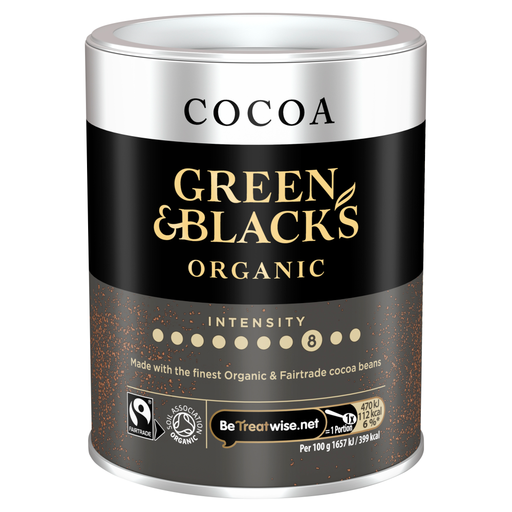 Image unavailable
g&B Organic Cocoa 125g
A cocoa powder option for preparing a chocolate drink rather than choosing a ready-mixed hot chocolate. Check the current pack for its organic certification and sugars figure; the listing carries a may-contain-milk warning. Keep the drink away from the child while hot and let it cool before offering it.
View on Joybuy
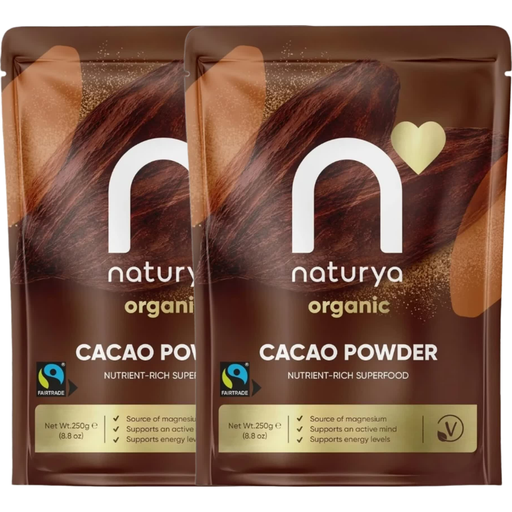 Image unavailable
Naturya Organic Cacao Powder, two 250g packs
A two-pack cacao powder option if you want to make the drink yourself. Check the current pack for organic certification, total sugars and allergen statements, particularly where nuts or seeds are a concern. Do not add chocolate powder to a bottle or trainer cup; let a prepared drink cool before offering it.
View on Joybuy
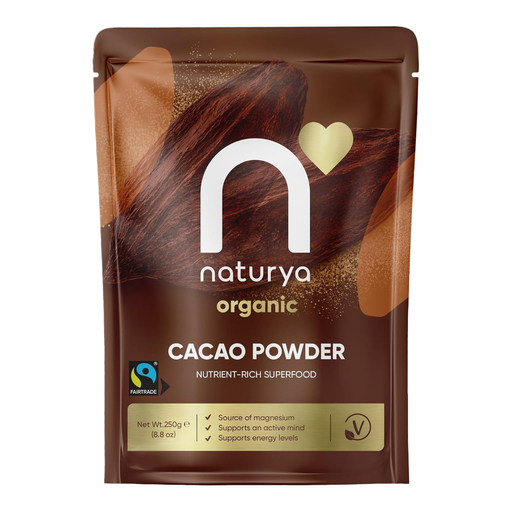 Image unavailable
Naturya Organic Cacao Powder 250g
A single 250g cacao powder option for preparing a chocolate drink yourself. Check the current pack for organic certification, total sugars and allergen statements, particularly where nuts or seeds are a concern. Prepare hot drinks out of a toddler’s reach and allow them to cool before serving.
View on Joybuy
Questions about toddler snack time
Does organic hot chocolate make sense as an everyday toddler drink?
Organic labelling does not establish that a hot chocolate is suitable as an everyday drink. Defra’s UK rules concern organic production and certification; Healthier Together NHS identifies water and plain milk as the usual drinks for young children. Check sugar and allergens separately if choosing an occasional chocolate drink.
How do the checked organic products compare on sugars?
For the checked dry products, Waitrose lists 0.3g sugars per 100g for Food Thoughts Organic Cocoa Powder, Ocado lists 61g per 100g for Green & Black's Organic Hot Chocolate, and Booja-Booja lists 62g per 100g for its Hot Chocolate. These figures do not compare prepared drinks: the amount of powder and any milk or other ingredients also matter.
Is a dairy-free cocoa suitable for a child with a milk allergy?
Do not decide from dairy-free wording alone. The checked Food Thoughts cocoa is described as dairy-free but has a may-contain-milk statement. Read the current full label and follow the child’s existing allergy plan; other allergens matter too, as Booja-Booja excludes consumers with specified tree-nut allergies.
Can an organic hot chocolate be served in a school or childcare setting?
The setting needs to check the exact product against its applicable food standards, menu policy and allergen procedures. England’s retail HFSS-promotion rules are separate from school-food requirements and do not provide UK-wide permission to serve a product. Requirements differ across the UK nations; Welsh Government guidance identifies a change to school-food regulations taking effect on 31 October 2026.
How should I handle an occasional cocoa drink around a toddler?
Prepare it out of the child’s reach and let it cool before offering it. Healthier Together NHS advises keeping hot drinks away from young children and not passing a hot drink over a child. NHS guidance also says not to add chocolate powder to a bottle or trainer cup.


