What matters when choosing?
Decide whether this is a regular snack or an occasional treat before comparing lolly formats. For a treat, read the figures for one bar as well as the ingredient and allergen information on the pack you intend to use.
A regular snack instead
When it fits: For routine snack time, choose from the NHS examples such as fruit, vegetable sticks or plain unsweetened yoghurt with banana.
The difference: It is not a frozen treat, but it avoids making a sweet lolly the usual between-meal option for a child aged 4 or younger.
An occasional fruit ice
When it fits: Consider this format for an occasional frozen treat if its serving and full allergen statement suit the child.
Watch for: Fruit ice does not establish a low sugar content or freedom from milk warnings; Tesco lists Calippo Orange with 17 g sugars per 105 ml serving and a milk precautionary statement.
An occasional mini dairy lolly
When it fits: A mini format offers a smaller individual unit where milk and any other declared allergens are suitable for the child.
Watch for: A smaller unit is still a sweetened dessert. ASDA lists a 50 ml Twister Mini Mallow with 6.8 g sugars per serving; it contains milk and may contain soya, almonds and nuts.
| Priority |
What to check |
Your needs |
| Snack or treat |
Check the ingredients for sugar or sweeteners. The NHS advises avoiding foods and drinks with sugar or sweeteners for children aged 4 years or younger. |
For an everyday snack, I would choose something other than a sweet ice lolly. An occasional frozen dessert is a separate decision. |
| Sugars per serving |
Read sugars for one lolly alongside its stated serving size. Tesco lists 17 g sugars in a 105 ml Calippo Orange; ASDA lists 6.8 g in a 50 ml Twister Mini Mallow. Those figures describe different products and portions. |
If I offer an occasional lolly, I want to know what is in the whole bar being served, not just a figure per 100 g or 100 ml. |
| Allergens |
Read the ingredients and any ‘may contain’ statement on the exact pack. Tesco lists ‘May contain: MILK’ for Calippo Orange; ASDA lists milk as an ingredient and precautionary soya, almond and nut warnings for Twister Mini Mallow. |
If my child must avoid an allergen, I cannot decide from ‘fruit ice’, ‘mini’ or the brand name alone. |
| One-bar size |
Compare the volume of one lolly, not the number in the pack. The cited Calippo Orange is 105 ml per single and Twister Mini Mallow is 50 ml per lolly. |
A smaller individual portion may matter when I am choosing an occasional treat; I still need to check its own sugar and allergen information. |
| Food at a setting |
Check the setting’s food and allergy policy. Department for Education early-years nutrition guidance applies to providers in England and addresses the food and drink they provide. |
For a nursery or childminder, I need to know what the setting permits rather than assuming an at-home choice can be sent in. |
Brand and retailer references
These examples show why format, portion and the exact variant label matter; a brand name alone does not settle a toddler snack decision.
Calippo
Calippo Orange is a tube-format fruit ice listed by Tesco as a 105 ml single serving.
- Tesco lists the Orange variant as made with juice from concentrate, gluten-free and suitable for vegetarians.
- The same listing gives 17 g sugars per serving and a ‘May contain: MILK’ warning. Read the current pack before making an allergy decision.
Twister
Twister includes mixed fruit-ice and ice-cream lollies in mini formats; the cited example is Mini Mallow.
- ASDA lists Twister Mini Mallow as a 50 ml lolly with 6.8 g sugars per serving, making its individual portion straightforward to compare with other labelled servings.
- That variant contains milk and may contain soya, almonds and nuts. Its label cannot establish the declarations for every Twister product.
Tesco
Tesco’s ice-lolly category includes branded and own-label products in single and multipack formats.
- Its listings illustrate why shoppers should compare the volume and nutrition of one lolly rather than assume every pack contains the same-sized serving.
- Check the particular product’s current label and local availability before relying on a listing.
Joybuy product options
These packs contain individual fruit-flavoured ice bars or freeze pops in 45 ml or 70 ml units. They are options for comparing the size of an occasional single serving, not substitutes for a regular toddler snack; use the current pack to decide on sugars and allergens.
 No image available
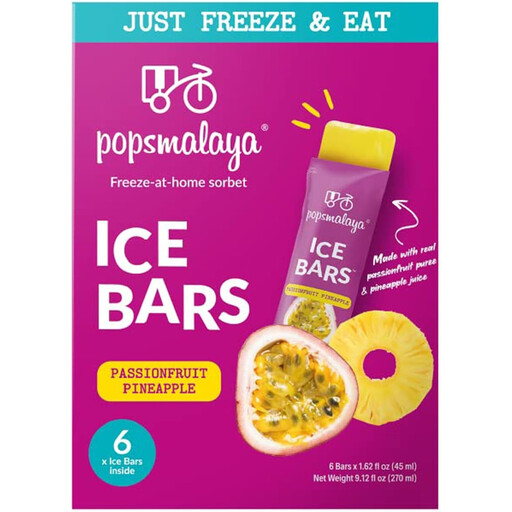
PopsMalaya Passion Fruit Pineapple Ice Bars, 6 × 45 ml
The pack contains six 45 ml bars, so one bar is the portion to compare for an occasional treat. Check sugars per bar and the current pack’s allergen declaration before offering one to a child with an allergy.
View on Joybuy
 No image available
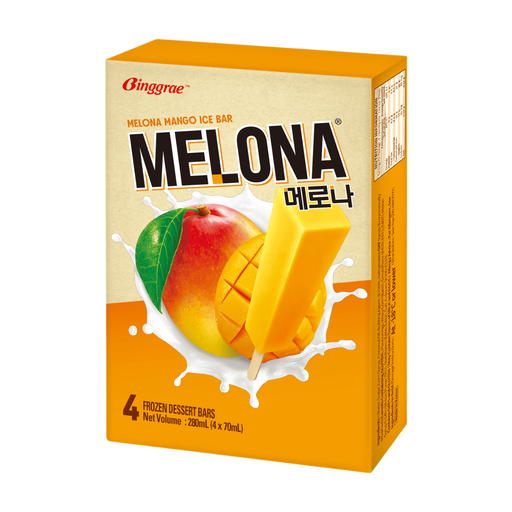
Melona Mango Ice Bars, 4 × 70 ml
Each of the four bars is 70 ml, which helps when comparing individual servings. This option is not suitable where milk must be avoided; check the current pack for its milk, gluten and egg information and sugars for one bar.
View on Joybuy
 No image available
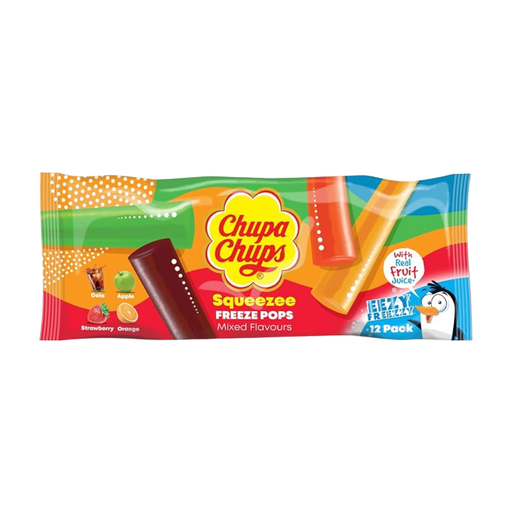
Chupa Chups Squeezee Freeze Pops Mixed Flavours, 12 × 45 ml
The pack contains twelve individual 45 ml pops. The product information identifies sugar and sweeteners, so it does not fit the NHS advice for a routine snack for children aged 4 or younger; check sugars per pop and allergens on the current pack.
View on Joybuy
Questions about toddler snack time
Should an ice lolly be an everyday toddler snack?
No. For children aged 4 years or younger, the NHS advises avoiding foods and drinks with sugar or sweeteners. Its examples for regular snacks include fruit, vegetable sticks, toast and plain unsweetened yoghurt with banana.
Does ‘fruit ice’ mean a lolly has no milk warning?
No. Tesco’s Calippo Orange fruit-ice listing says ‘May contain: MILK’. Check the exact current pack, particularly if the child must avoid milk.
Does choosing a mini lolly settle the sugar question?
No. A mini lolly changes the amount in one unit, but you still need its sugars per serving. ASDA lists Twister Mini Mallow at 50 ml and 6.8 g sugars per lolly; the NHS advice about sugary foods for children aged 4 or younger still applies.
Do school-food rules decide what I can buy for a treat at home?
The Department for Education’s school-food practical guide applies to food provision in England’s schools, not an at-home purchase. If a lolly is intended for a school or nursery, check that setting’s food and allergy policy rather than treating an at-home choice as permission to send it in.
What should I check before sending a frozen treat to a nursery?
Check the nursery’s food policy and the exact product’s allergen label first. In England, Department for Education early-years guidance says providers must have regard to guidance on meals, snacks and drinks being healthy, balanced and nutritious, while accounting for children’s individual dietary requirements.


