Carers who need a portable snack
A wrapped snack can be useful during travel or after nursery collection. For everyday snacks, the NHS also suggests options such as fruit, plain unsweetened yoghurt, toast and crackers.


For routine snack time for a toddler aged 1 or over, start with a simple option such as fruit prepared for the child, plain yoghurt, toast or crackers, as suggested by the NHS, rather than choosing a cereal bar for its low calorie count. When a wrapped bar is useful, compare sugars and calories for the portion the child would eat, then check its allergens and whether the child can manage its texture while seated and supervised.
A wrapped snack can be useful during travel or after nursery collection. For everyday snacks, the NHS also suggests options such as fruit, plain unsweetened yoghurt, toast and crackers.
Look at the portion a child would actually eat. A small cereal-and-milk bar and a twin-bar oat serving have different weights, so their per-serving calorie and sugar figures answer a different question from figures per 100 g.
The NHS advises checking a nursery’s food policy and telling the setting about a child’s food allergy. Check the current bar’s ingredients and allergen statement before packing it.
Decide whether a bar is needed for this snack occasion, then compare the portion, ingredients and eating conditions rather than relying on a low-calorie description.
| Priority | What to check | Your needs |
|---|---|---|
| Everyday snack choice | Consider a simple snack before a packaged bar. Check the ingredients and sugars on a bar you would offer regularly. | For a routine snack, I would rather choose something straightforward, such as fruit prepared for my child or plain yoghurt. |
| Portion and nutrition | Compare calories and sugars for the bar or pack portion that would be eaten. Read the serving weight alongside per-100-g figures; a lower calorie figure alone does not establish toddler suitability. | If I need a wrapped snack, I want to know what the actual portion contains, not just whether the front of the pack says it is lighter. |
| Allergens and nursery rules | Read the current ingredients and allergen statement, including any precautionary wording. Confirm the setting’s food policy and tell it about the child’s food allergy, as the NHS advises. | Before I pack a bar, it needs to fit both my child’s requirements and the nursery’s rules. |
| Texture and supervision | Assess the food’s size, shape and texture against the child’s chewing ability. The Department for Education advises that young children should be alert, seated upright and supervised while eating. | A convenient wrapper is no help if my child cannot manage the bar’s texture safely at snack time. |
A smaller bar can have fewer calories while still being a sweetened snack. The NHS lists fruit, plain unsweetened yoghurt, toast and crackers among snack options for young children.
Choose for the occasion and the child, not the calorie figure alone. If buying a bar, check its sugars, ingredients and serving size.
Kellogg’s UK lists its Coco Pops Snack Bar at 20 g, while Nature Valley UK lists its Apple & Cinnamon Crunchy bars as a 42 g twin-bar serving. Those serving sizes affect what the child would actually be offered.
Compare calories and sugars for the intended portion as well as per 100 g, and check whether a pack contains one bar or a multi-bar serving.
A format name does not tell you every ingredient or precautionary allergen statement. Nature Valley UK, for example, lists possible wheat, peanut and tree-nut presence for its Apple & Cinnamon Crunchy bars.
Read the exact pack and check the nursery’s policy before packing a snack for a child with an allergy or a setting with food restrictions.
A bar’s size and texture may not suit an individual child’s chewing ability. Department for Education guidance says to consider food size, shape and texture for young children.
Offer food only while the child is alert, seated upright and supervised, and serve a portion the child can manage.
These examples illustrate different bar formats; a brand name alone does not establish whether a particular product suits a toddler.
Its Coco Pops Snack Bar illustrates a small cereal-and-milk bar rather than an oat or protein bar.
Its crunchy oat and peanut-based protein bars illustrate larger serving formats.
Joybuy UK lists a Cashew & Blueberry fruit-and-nut bar in a 40 g format.
Joybuy UK lists Salted Caramel Protein Flapjacks in 50 g bars.
These options include cereal bars, plus a wafer and an oat biscuit that may come up when shopping for a portable toddler snack. Check each product’s current pack and your child’s eating ability; the different formats are not interchangeable.
 No image available
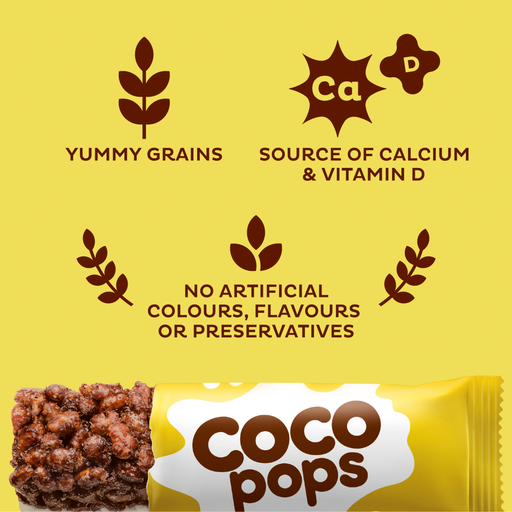
The 20 g bar format is worth comparing when a small wrapped portion would be useful. Check sugars, allergens and the current pack’s serving information before offering one to a toddler.
 No image available
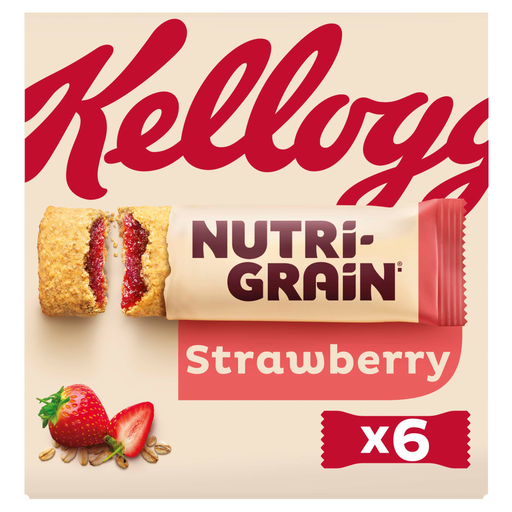
For a wrapped fruit-flavoured bar, compare the nutrition for one bar rather than the 222 g pack. Check its sugars, allergens and whether the individual child can manage its texture.
 No image available
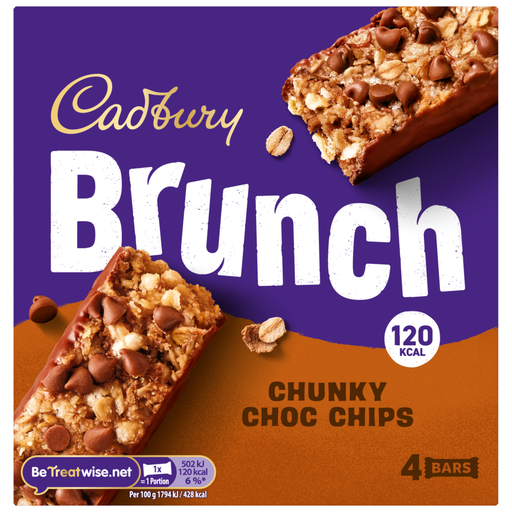
Check the portion and texture before considering this chocolate-chip bar for a young child. Its product information flags a choking warning for children under 4; follow the current pack instructions and check the allergens.
 No image available
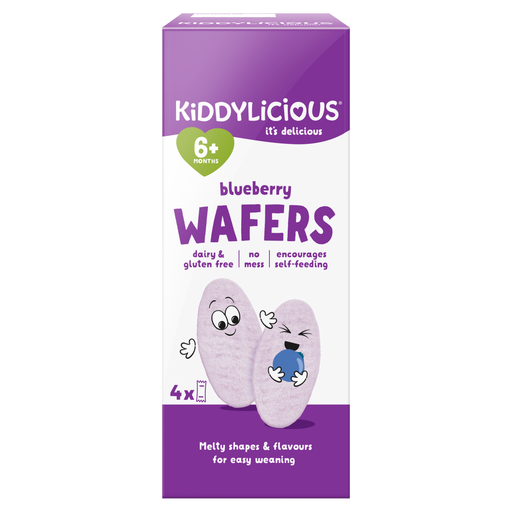
These are wafers, not cereal bars, so compare them as a different snack format rather than as a like-for-like bar. The pack states 6+ months and 4 x 4 g; check ingredients and supervise eating regardless of the age label.
 No image available
These 160 g oat biscuits are an alternative format, not individually identified cereal bars. Check the portion you would serve, the current allergen statement and whether a chunky, crumbly texture suits the child.
A low calorie count alone is not a reason to make a cereal bar an everyday choice. For young children, the NHS suggests snacks including fruit, plain unsweetened yoghurt, toast and crackers; if a bar is useful occasionally, check its portion, sugars, ingredients and texture.
No. The adult reference-intake percentages on a bar are not toddler portion guidance. Compare the calories and sugars for the amount the child would actually eat, alongside its ingredients and texture.
Read the current ingredients and allergen statement, then check the nursery’s food policy. The NHS advises telling the nursery or childminder about a child’s food allergy and notes that some settings may restrict peanuts or nuts.
Only consider an individual bar after checking its ingredients and whether the child can manage its size and texture. Department for Education guidance advises keeping young children alert, seated upright and supervised while eating; a bar’s snack label does not replace those checks.
No. A gluten-free description does not answer questions about the bar’s portion, sugars, other allergens or texture. Check the current pack for the child’s specific requirements and assess how it would be served.