
24/7 Customer Support

Free returns

Same-day & Next-day Delivery

Quality Guaranteed

Unlock Your Welcome Offers: FREE Delivery | Up to 80% OFF | Free 30-day JoyPlus trial
Download the APP
As your little one celebrates their first birthday, their nutritional needs begin to change. Navigating the transition from infant formula or breastfeeding can feel overwhelming, with a wide array of toddler milk options on the shelves. You want to ensure your child gets the right support for their rapid growth and development, but deciphering the labels and marketing claims can be a challenge.
This guide is designed to provide clear, practical information on choosing a toddler milk for children aged 1-3 years. We will walk through key factors to consider and present some carefully selected options to help you make an informed decision for your family.
When comparing different types of stage 3 formula, it helps to focus on a few key areas. Here are some points to consider as you browse.
Growing up milk is not a replacement for a healthy, varied diet, but it is formulated to complement it. These milks are typically fortified with specific vitamins and minerals to support a toddler's development. Look for key nutrients such as:
Checking the nutritional table on the packaging can give you a clear overview of what each formula for a 1 year old provides.
Parents today have different priorities when it comes to ingredients. Some formulas use whole milk as a base, while others use skimmed milk. You may also want to consider:
Always check the packaging to confirm the product is suitable for your child's age, typically from 12 to 36 months. It is also crucial to review the full ingredients list for any potential allergens, such as milk, soy or fish.
Here are a few standout options available in the UK, each catering to different parental priorities and nutritional considerations.
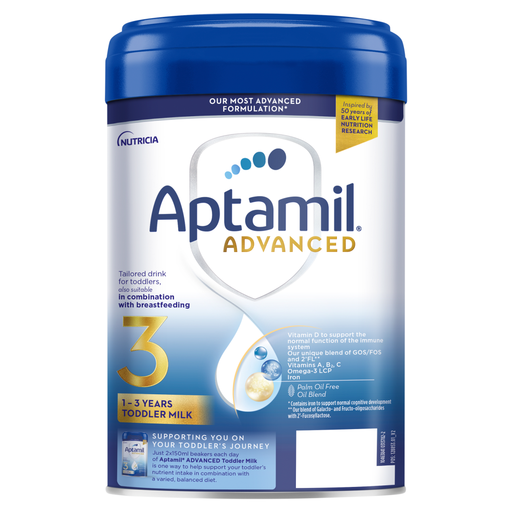
Why It Stands Out: This Aptamil toddler milk is described by the brand as their "most advanced formulation". It is developed based on their extensive research into early life nutrition, offering a comprehensive blend of nutrients designed to complement a toddler's diet.
Pros:
Who is it for: Parents looking for a scientifically developed formula from a well-established brand that is focussed on providing a broad range of supportive nutrients.
View Aptamil Advanced 3 on Joybuy
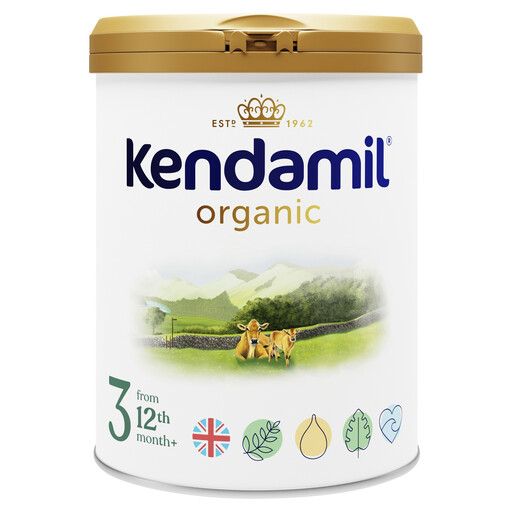
Why It Stands Out:Kendamil stage 3 is a popular choice for its commitment to organic, British-sourced ingredients. It is uniquely made with organic whole milk from grass-fed cows and is both palm oil free and fish oil free, making it a vegetarian-friendly option.
Pros:
Who is it for: Families who prioritise organic ingredients, British manufacturing and ethical considerations like vegetarian-friendly and palm oil-free products.
View Kendamil Organic Stage 3 on Joybuy
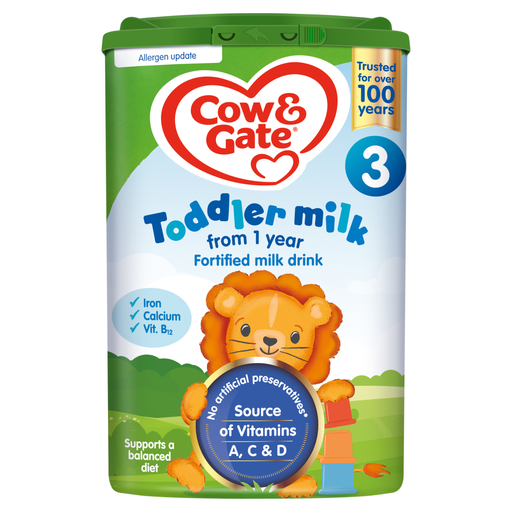
Why It Stands Out: As a brand trusted by parents for over a century, Cow and Gate growing up milk offers a balanced formulation focussed on key developmental nutrients. It is also formulated without palm oil or artificial preservatives, providing a reliable choice.
Pros:
Who is it for: Parents seeking a trusted, long-standing brand that delivers essential nutrients in a formulation free from palm oil.
Our recommendations cover a range of priorities, from scientific formulation to organic sourcing. If you would like to compare these with other available products, you can explore our full collection.
Discover More in Our Toddler Formula Milk Powder Category
1. What is the difference between toddler milk and cow's milk? Whole cow's milk is a great drink for toddlers over one year old. Toddler milk, or growing up milk, is an alternative that has been fortified with specific nutrients. It typically has higher levels of iron, Vitamin D and other vitamins compared to standard cow's milk, which can help supplement the diet of a toddler, especially if they are a fussy eater.
2. When should I switch to a stage 3 formula? Stage 3 formulas are generally designed for toddlers from 12 months of age. They are intended to be used as part of a varied and balanced diet that should include other foods. If you are unsure about when or if to make the switch, it is always a good idea to speak with your health visitor or other healthcare professional.
3. Is organic toddler milk a better choice? Choosing an organic toddler milk is a personal preference. "Organic" certification means the milk comes from farms that adhere to strict standards, which include how the cows are fed and cared for. Parents may choose organic options due to an interest in the farming methods or ingredient sourcing. Both organic and non-organic formulas sold in the UK must meet strict safety and nutritional regulations.