Who is choosing an oat drink?
The drink’s intended job matters: adding it to porridge is a different decision from replacing a toddler’s usual milk drink.
Families replacing cow’s milk
If an oat drink will regularly take the place of cow’s milk for a child aged 1 to 3, check its age guidance, fortification, energy and protein. Where cow’s milk is excluded because of an allergy, poor growth or a restricted diet, discuss the replacement with a GP or dietitian rather than relying on the carton alone.
Families preparing a small snack
For cereal, porridge or occasional use alongside food, consider the exact product’s ingredients and age guidance without assuming it must serve as the child’s main milk drink. The NHS describes snacks as part of a toddler’s wider pattern of meals and food.
Families sending food to nursery
Check the carton’s oat and other allergen information, then tell the nursery or childminder about any diagnosed food allergy. Follow the setting’s food policy rather than assuming a dairy-free drink is suitable for every child there.
What should you check before buying?
Decide whether the oat drink is for occasional food preparation or regular milk replacement. Then compare the age statement and nutrition panel on the particular carton.
| Priority | What to check | Your needs |
|---|
| Age and role |
Check the stated age range and any warning about use as a main milk drink. Alpro markets its Oat Growing Up Drink for ages 1 to 3+, while Sainsbury’s says its standard Oat Drink can be part of a balanced diet from age 1 but is not suitable as a main milk-drink alternative under age 3. |
I’m choosing a regular replacement for cow’s milk, not just something to stir into porridge. The product’s intended role matters as much as its oat-drink label. |
| Fortification |
Look for declared calcium, iodine and vitamins, including vitamin D and B12 or riboflavin. Kingston and Richmond NHS Foundation Trust advises choosing calcium-fortified dairy alternatives and identifies 120 mg calcium per 100 ml as an ideal label target. |
If dairy foods are being reduced or excluded, I want to know which nutrients this particular drink provides rather than relying on a short ingredient list. |
| Energy and protein |
Compare energy and protein per 100 ml on like-for-like labels, alongside the drink’s age guidance. A “whole”, “growing up” or “barista” name does not, by itself, establish its role in a toddler’s diet. |
I need to judge what the drink contributes alongside my child’s other food, particularly if it will be served regularly. |
| Allergens and nursery use |
Read the current ingredient and allergy statements, including any manufacturing warnings. The Food Standards Agency identifies oats as an allergen in their own right; the NHS advises telling a nursery or childminder about a child’s food allergy. |
Before sending a drink or oat-based snack to nursery, I need to check the exact carton and the setting’s food policy. |
Oat drink brands and their relevant ranges
These examples illustrate different product roles; a brand name alone cannot establish whether a particular carton suits a toddler.
Alpro
Alpro markets its Oat Growing Up Drink for children aged 1 to 3+.
- The product is positioned for a toddler-specific use and lists added nutrients, including calcium and vitamin D.
- Age positioning does not replace individual advice when allergy, growth or a restricted diet affects milk replacement.
Oatly
Oatly Whole is a fortified oat drink; its Joybuy product information lists calcium and iodine.
- The listed Oatly Whole values include 61 kcal and 1.1 g protein per 100 ml, allowing a label comparison for that variant.
- Oatly Whole is not presented here as a toddler-specific product. Its figures must not be assumed to apply to other Oatly drinks.
Tesco
Tesco Oat Drink is an example of a general fortified oat drink for comparison when preparing food or a snack.
- Tesco lists added calcium, iodine, vitamin B12, riboflavin and vitamin D2 for this product.
- Its listed protein content is 0.3 g per 100 ml; check the current carton before deciding how it fits into a child’s diet.
Sainsbury’s
Sainsbury’s standard Oat Drink has a particularly clear distinction between use from age 1 and use as a main milk drink.
- Its product information lists calcium, iodine, vitamin D and vitamin B12 fortification.
- Sainsbury’s says this drink is not suitable as a main milk-drink alternative for children under 3.
M&S
M&S Only 3 Ingredients Oat Drink shows why a simple ingredient list and a fortified dairy alternative are different propositions.
- M&S lists water, oats and sea salt for this particular drink.
- M&S states that it is unfortified and not recommended as a dairy replacement for children under 36 months.
Minor Figures
Minor Figures positions its Barista Oat around coffee texture and foam.
- Its coffee-focused positioning makes the intended adult hot-drink use clear.
- Coffee performance is not evidence that the product suits use as a toddler’s main milk drink.
Joybuy oat drink options for snack time
This selection shows an Oatly oat drink to consider for snack-time use. Check its current carton before deciding whether and how to serve it to a toddler; it is not presented as a toddler-specific main milk replacement.
 No image available
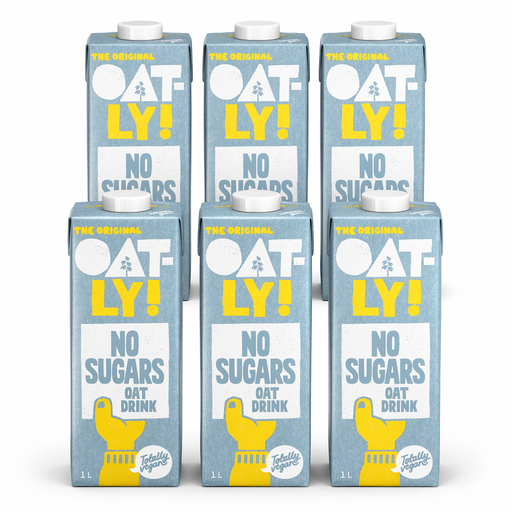
Oatly No Sugars Oat Drink, 6 × 1L
For occasional use with a toddler’s snack or in food, check this drink’s current age guidance, nutrition panel and allergen declaration. Do not assume it is suitable as a main milk drink because it is an oat drink.
View on Joybuy
Questions about oat drinks for toddlers
Can an oat drink replace cow’s milk for every toddler?
No. Age, the rest of the child’s diet and the reason for avoiding cow’s milk all affect that decision. Kingston and Richmond NHS Foundation Trust advises choosing calcium-fortified dairy alternatives, while Sainsbury’s says its standard Oat Drink is not suitable as a main milk-drink alternative under age 3. Discuss regular replacement with a GP or dietitian if the child has cow’s-milk protein allergy, poor growth or a restricted diet.
What matters on the label of a toddler’s oat drink?
Start with the age guidance and whether the drink is intended for occasional use or regular milk replacement. Then check calcium, iodine, listed vitamins, energy and protein per 100 ml, as well as the ingredients and allergy statement. Kingston and Richmond NHS Foundation Trust identifies 120 mg calcium per 100 ml as an ideal label target for a calcium-fortified dairy alternative.
Can a general fortified oat drink be used with a snack?
It can have a role in food or as part of a snack when the exact product is appropriate for the child, but that does not establish suitability as their main milk drink. Sainsbury’s says its standard Oat Drink can form part of a balanced diet from age 1 while ruling out use as a main milk-drink alternative under age 3.
Does dairy-free mean an oat drink is suitable for nursery?
No. Check the exact carton for oats and any other ingredient or allergy warnings, and ask the nursery about its food policy. The Food Standards Agency identifies oats as an allergen in their own right, and NHS advice says to tell the nursery or childminder if a child has a food allergy.


