Everyday toddler-dinner planners
Parents and carers looking for a dried-pasta base they can combine with other foods for a family meal, rather than serving pasta alone.


For a toddler dinner, choose a plain dried pasta with ingredients and allergens you can check, then prepare it to suit the child’s eating ability and serve it with other meal components. Wholewheat pasta can be part of a varied diet, but the NHS advises against giving only wholegrain starchy foods to under-2s. If the child needs to avoid wheat or gluten, choose an appropriate labelled product and check the current pack.
Parents and carers looking for a dried-pasta base they can combine with other foods for a family meal, rather than serving pasta alone.
Carers choosing shapes and grain types while a toddler learns to manage different textures. The child’s age and eating ability guide preparation and serving.
Families checking wheat and gluten information, including when pasta-based food may be packed for school or nursery.
For toddler dinners, establish any wheat or gluten restriction and consider the child’s age and eating ability before choosing a grain type or shape.
| Concern | What to check | Who this matters to |
|---|---|---|
| Meal building and grain choice | Choose between plain and wholewheat pasta; plan the other meal components. For under-2s, do not make wholegrain foods the only starchy choice. | I want pasta to be the base of a varied dinner, with a grain choice that suits my child’s age. About 33% of consumers put this meal-building need first. |
| Shape and texture | Check the shape and pack cooking directions; prepare and serve it to suit the child’s eating ability. | When my toddler is learning to manage textured food, a shape they can eat comfortably matters most. That is the primary need for about 27% of consumers. |
| Allergens and packed food | Read the current ingredients and allergen statement. If packing food, check the individual school or nursery’s arrangements. | I need to avoid a wheat or gluten mistake, or know what the setting permits before packing lunch. About 20% of consumers make these checks their first concern. |
| Cupboard practicality | Check the pack size, storage instructions and whether the shape works with meals you already prepare. | For a quick family dinner, I want a dried pasta I can keep in the cupboard and use with familiar ingredients. Cupboard practicality comes first for about 20% of consumers. |
The NHS says young children can have wholegrain pasta, but under-2s should not have only wholegrain starchy foods: their higher fibre content may fill them before they get the calories and nutrients they need.
Keep starchy-food choices varied for under-2s. For older toddlers, introduce wholewheat pasta gradually as part of a varied diet.
The Food Standards Agency identifies pasta as a food that can contain cereals with gluten. Standard wheat pasta is not suitable for a child who must avoid wheat or gluten.
Read the current pack’s ingredients and allergen statement. If a free-from option is needed, check the exact product rather than relying on its shape or colour.
Sauce changes what is in the meal. Dolmio declares 0.75g of salt per 112g portion of its Original Bolognese sauce; that listed portion is not toddler serving guidance.
Check the sauce label and use an amount appropriate to the meal. Consider salt from other components too, rather than adding it to the pasta water or finished food.
ASDA notes that ingredients, nutrition and allergy information can change, so a listing may not reflect the pack in hand.
Before serving, read that pack’s ingredients, allergen declaration, cooking directions and best-before date.
A sauce companion to pasta rather than a dried-pasta choice; its Original Bolognese is a tomato-based jarred sauce.
A dried-pasta range that includes Coquillettes N°32, a small curved tube shape.
An own-label range with standard and wholewheat pasta, as well as a separate gluten-free pasta category.
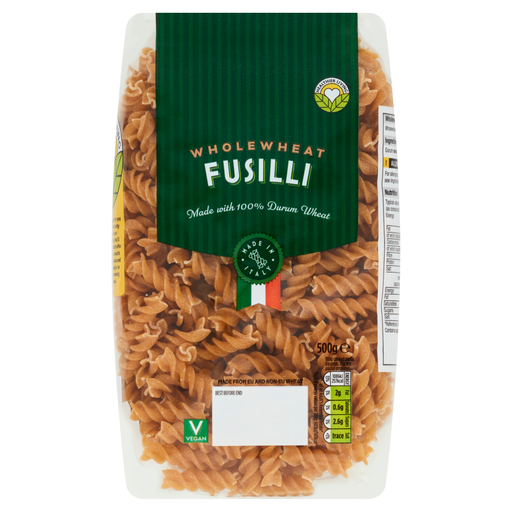
An own-label dried-pasta range that includes 500g Wholewheat Fusilli made from durum wholewheat semolina.
An own-label plain dried-pasta option; ASDA Penne 500g is made with durum-wheat semolina.
A pasta range spanning wheat-based products and Made Without Wheat options.
These dried-pasta selections cover a wholewheat fusilli option and a gluten-free lasagne option for different toddler-dinner needs. Shape and preparation still need to suit the individual child.
 No image available
Consider this wholewheat shape when choosing a pasta base for a varied toddler dinner. The pack is 500g. Wholewheat pasta is not the only starchy-food choice to offer an under-2, according to NHS guidance; check the current allergen statement and prepare the fusilli to suit the child’s eating ability.
 No image available
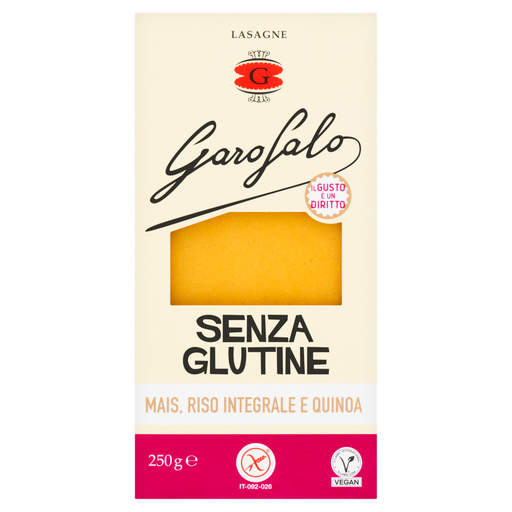
This 250g lasagne product is labelled gluten free and is a different format from small pasta shapes. If gluten avoidance is needed, check the current pack’s allergen and cross-contact information. Follow its cooking directions and serve the finished dish in a form the child can manage.
No. The NHS says children can have wholegrain pasta, but under-2s should not be given only wholegrain starchy foods because they may fill up before getting the calories and nutrients they need. Keep their starchy-food choices varied.
Dried pasta made from wheat contains gluten. The Food Standards Agency identifies pasta as a food that can contain cereals with gluten; check the current pack’s ingredients and allergen statement for the product you intend to serve.
Check the individual setting’s packed-food and allergy arrangements before packing it. England’s Department for Education guidance addresses school allergy policies, but it does not establish one prohibited-allergen list for every school or nursery across the UK.
Cook it according to the pack, check that its finished texture and pieces suit the child’s eating ability, and supervise eating. NHS food-preparation guidance emphasises preparing food appropriately for babies and young children to reduce choking risk.
There is no need to add salt for a toddler’s meal. The NHS advises against adding salt to babies’ food or cooking water; if using a sauce, check its label and consider salt from the other meal components.