What matters when choosing?
Decide whether control over added ingredients or a quicker prepared meal matters more, then compare the exact food you would serve—not just the wording on its pack.
Plain pasta with a home-made sauce
Choose it when: You want to decide what goes into the sauce and whether any salt is added.
Allow for: Cooking the pasta and preparing the sauce takes more work than opening a jar or heating a meal.
Jarred or tinned sauce
Choose it when: You need a quicker sauce and can compare current labels across similar products.
Allow for: Salt varies between sauces, and you still need to account for how much you serve.
Ready-made pasta meal
Choose it when: A prepared meal is more practical and its ingredients, salt and serving instructions suit your child.
Allow for: You have less control over the recipe and need to check the allergens in the whole meal.
| Concern |
What to check |
Who this matters to |
| Salt across the day |
Compare similar foods by salt per 100g, then consider the amount of pasta and sauce you will serve. Cook the toddler’s portion without added salt. |
If I am keeping track of salt across meals and snacks, I need to know what dinner contributes rather than judge it by a claim on the front of a pack. About 50% of consumers put managing the day’s salt first. |
| Quick preparation |
Check the current nutrition and ingredient label on a jar, tin or ready meal, along with its serving and storage instructions. |
When dinner needs to be quick, I want a prepared option whose label I can assess before serving it. Making that practical choice is the primary need for about 30% of consumers. |
| Allergens and packing rules |
Read the pasta and sauce allergen information, and confirm the nursery or school’s policy before packing. |
If the meal is leaving home, I need to know that its ingredients fit my child’s needs and the setting’s rules. Checking those requirements comes first for about 20% of consumers. |
Joybuy pasta dinner options
These options cover prepared pasta meals and one plain dried-pasta base. For a prepared meal, check its current salt and allergen label; for plain pasta, the sauce and cooking method remain separate choices.
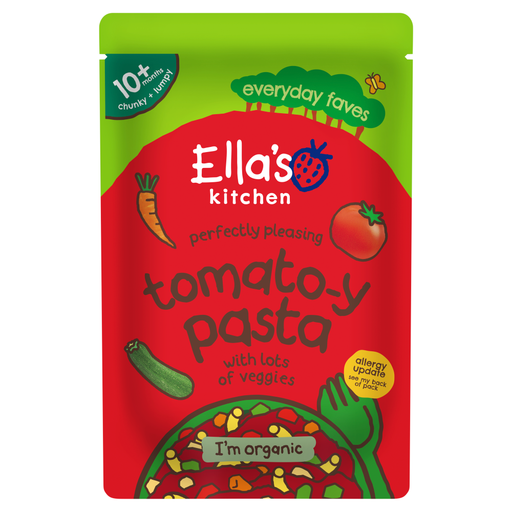 Image unavailable
Ella's Kitchen Tomato Pasta & Veg 10+ Months 190g
A prepared pasta-and-vegetable pouch for a toddler dinner when cooking a separate sauce is impractical. Check the current salt and allergen label, including information about soya and mustard, before serving or packing it.
View on Joybuy
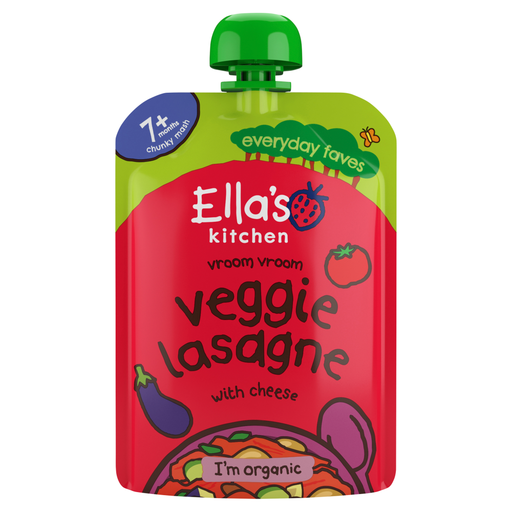 Image unavailable
Ella's Kitchen Organic Veggie Lasagne Pouch 7+ Months 130g
A prepared vegetable lasagne pouch for a pasta dinner without a separately chosen sauce. Check the current salt information and the wheat, egg and milk allergen details against your child’s needs.
View on Joybuy
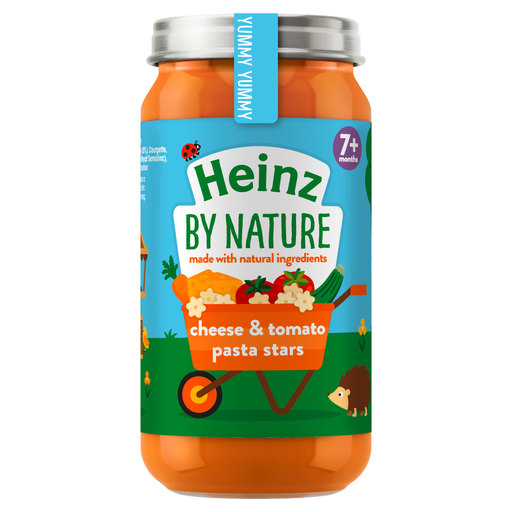 Image unavailable
Heinz Cheesy Tomato Pasta Stars Jar 7+ Months 200g
A prepared tomato-and-cheese pasta jar for a dinner that does not require a separate sauce. Check the current salt figure, serving directions and wheat and milk allergen information on the jar.
View on Joybuy
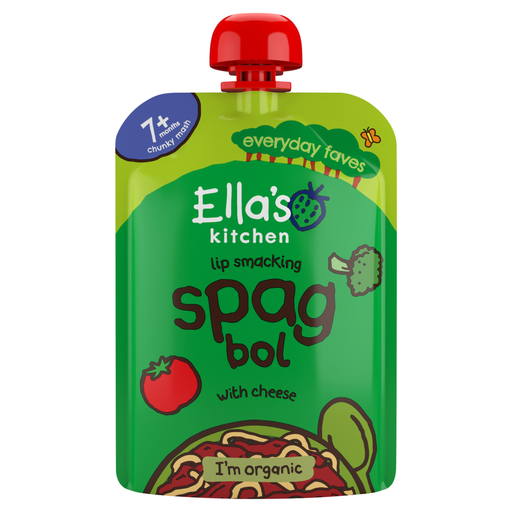 Image unavailable
Ella's Kitchen Spaghetti Bolognese Stage 2 7+ Months 130g
A prepared spaghetti Bolognese pouch when a portioned pasta meal is more practical than cooking from scratch. Check its current salt and wheat, egg and milk allergen information, particularly if it will be packed for nursery.
View on Joybuy
 Image unavailable
Barilla Spaghetti 500g
A plain dried-pasta base if you prefer to choose and prepare the sauce yourself. Cook the toddler’s portion without added salt, in line with NHS guidance, and check the current pack’s wheat and other allergen information before serving or packing it.
View on Joybuy
Common questions
How much salt should I consider for a toddler’s pasta dinner?
Consider dinner as part of the whole day: UK guidance published by the Office for Health Improvement and Disparities says children aged 1 to 3 should, on average, aim for no more than 2g of salt a day. That is not a per-meal target, so check the portion you will serve alongside the child’s other food.
Does “reduced salt” mean a sauce is the lowest-salt choice?
No. Compare the salt figure per 100g on current packs of similar sauces, then consider how much sauce you will use. As nidirect advises, salt can vary between brands and varieties; the wording on one pack does not replace that comparison.
Should I add salt when cooking pasta for a toddler?
NHS guidance says children do not need salt added to their food or cooking water. Cook the toddler’s pasta without it, even if the pack’s general cooking directions suggest salting the water; adult portions can be seasoned separately.
Can I pack ordinary pasta for nursery or school?
Check the exact pasta and sauce against your child’s needs and the setting’s food policy before packing. The Food Standards Agency identifies wheat as a cereal containing gluten, and ordinary durum-wheat pasta contains wheat; a sauce or prepared meal needs its own ingredient check too.


