Parents introducing wholewheat gradually
Wholewheat need not replace every other starchy food. NHS guidance is particularly relevant when deciding how it fits into a young child’s usual diet.


Wholewheat pasta can be one starchy choice for a toddler dinner, but it should not become the only one: the NHS advises against giving only wholegrain foods before age 2 or only high-fibre foods before age 5. Choose the sauce separately. A smooth ready-made sauce may suit a child who rejects pieces, while passata lets you decide what to add but needs cooking; in either case, check the current pack for ingredients, allergens and salt.
Wholewheat need not replace every other starchy food. NHS guidance is particularly relevant when deciding how it fits into a young child’s usual diet.
If a toddler accepts pasta but rejects visible vegetable pieces, compare a smooth finished sauce with a sauce containing named vegetables or a passata base you can prepare yourself.
Wheat-based pasta contains gluten. Check the pasta and sauce labels, as well as the nursery or school’s current arrangements, before packing a meal where allergies matter.
For a toddler dinner that may include wholewheat pasta, decide how the pasta fits the child’s usual diet before choosing a sauce by texture and label.
| Concern | What to check | Who this matters to |
|---|---|---|
| Wholegrain variety | Consider the child’s age and other starchy foods. The NHS advises against offering only wholegrain foods before age 2 and only high-fibre foods before age 5. | If wholewheat pasta is becoming the default, I want to keep other starchy foods in the mix. About 40% of consumers might put that variety first. |
| Texture and vegetables | Check whether the sauce is smooth, contains pieces or is a base to cook; read the ingredients for the vegetables actually used. | When visible pieces put my toddler off dinner, the sauce’s texture matters more to me than its name. Roughly 30% of consumers might prioritise texture and vegetable format. |
| Convenience and labels | Compare salt on the same per-100g basis and read the current ingredient and allergen declarations. Check the setting’s policy for packed meals. | I need a quick sauce, but I also need to know what is in the portion I serve or pack. Around 30% of consumers might make those label checks their primary concern. |
Wholewheat usually describes the pasta. The sauce is a separate choice that affects seasoning, texture and the ingredients in the meal.
Choose the pasta for the child’s age and usual diet, then compare sauces by their current labels.
The NHS cautions that high-fibre foods can fill young children’s small stomachs before they have eaten enough of the rest of their food.
Keep starchy foods varied; the NHS suggests introducing more wholegrain foods gradually after age 2.
Vegetable content and salt are different label checks. Dolmio lists 0.62g salt per 100g for its Smooth Hidden Vegetable Sauce for Bolognese; that figure does not include other parts of dinner.
Compare similar sauces per 100g, then consider how much sauce and any other ingredients you will use.
Ingredients can change. A packed lunch also needs to fit the individual nursery or school’s allergy arrangements.
Read the physical pasta and sauce packs before serving or packing, and check the setting’s current written policy.
Its smooth Bolognese-style sauces are relevant when visible vegetable pieces are a barrier.
Its wholewheat spaghetti and passata illustrate a pasta-and-sauce-base route rather than a finished jarred dinner sauce.
Tesco’s own-label wholewheat pasta shapes are relevant when the pasta shape affects the choice of dinner.
Its Tomato and Hidden Veg Pasta Sauce offers a jarred option with identifiable vegetables.
These tomato passata and ready-made sauce options can be considered alongside pasta chosen separately for the child’s age and usual diet. Compare the current pack before deciding what to serve.
 No image available
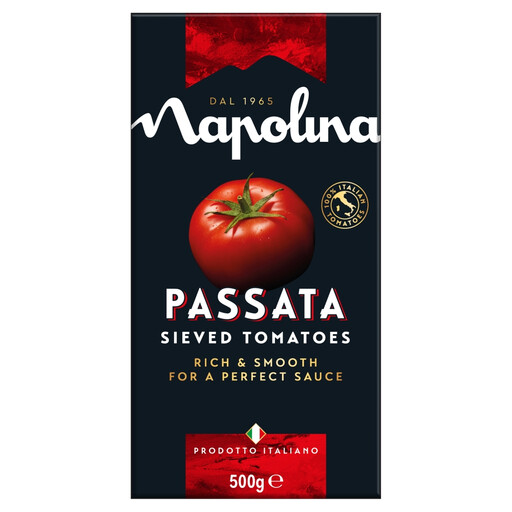
Consider this tomato base if you want to prepare the sauce and decide what goes into it. It is not a complete pasta dinner.
Check the current pack before cooking, and choose the pasta separately.
 No image available
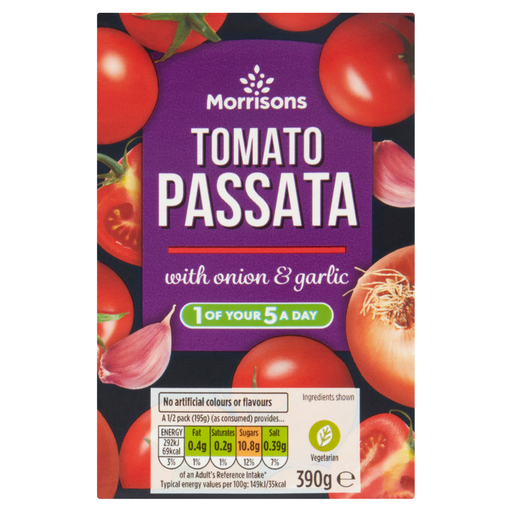
This passata names onion and garlic in addition to tomato, so it is a different starting point from plain tomato passata.
Read the current ingredients and nutrition panel before adding it to a toddler dinner; pasta is chosen separately.
 No image available
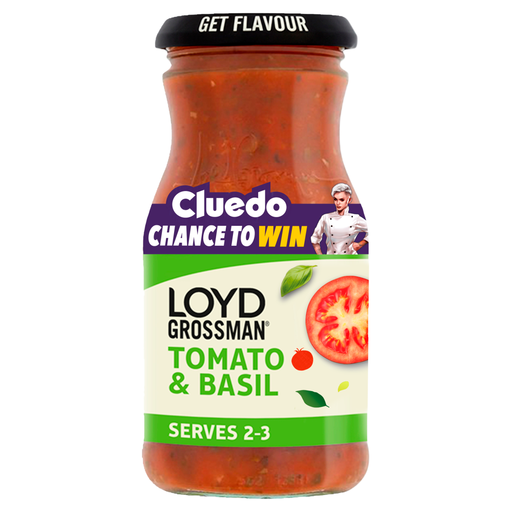
This ready-made tomato and basil sauce is an option when you would rather use a finished sauce than cook a passata base.
Check the current pack for salt and allergens, including any precautionary allergen wording. Do not assume its texture is smooth.
 No image available
This ready-made tomato sauce names mascarpone and Grana Padano, making its ingredient checks different from those for a tomato-only base.
Check the current pack for milk, egg, salt and any other relevant allergens before serving or packing it; choose the pasta separately.
Wholewheat pasta can be part of a varied diet, rather than the only starchy option. The NHS advises against giving only wholegrain foods before age 2 or only high-fibre foods before age 5, and suggests gradually introducing more wholegrain foods after age 2.
No. Those descriptions tell you about texture or ingredients, not whether the whole meal suits a particular child. Check the current jar for its vegetables, salt and allergens, and consider the amount you will serve.
Compare similar sauces using the salt figure per 100g on their current packs, then consider the portion and any cheese, stock or other ingredients added to dinner. A sauce’s figure alone is not the salt content of the finished meal.
Wholewheat pasta made from wheat contains gluten. Check the particular pasta pack and the sauce’s ingredient and allergen declarations if wheat, gluten or another allergen must be avoided.
Yes—check the setting’s current written allergy arrangements and the food labels before packing. The Department for Education’s guidance for schools in England says food brought from home should be considered in a school’s approach to allergy safety; it does not set one lunchbox rule for every school or nursery.