Families sharing breakfast with a toddler
Parents or carers who want one plain-oat pack for a small toddler bowl and larger adult portions, rather than separate children's cereal.


A 1kg pack of plain rolled oats is a practical default when a toddler and adults regularly share porridge, giving flexibility for smaller and larger bowls without committing to bulk volume. Choose quicker-cooking oats when a smooth texture and short preparation time matter most; choose jumbo oats only if the household enjoys a thicker texture. Check the current allergen label and the school or nursery policy before sending oat food away from home.
Parents or carers who want one plain-oat pack for a small toddler bowl and larger adult portions, rather than separate children's cereal.
Families for whom quick morning preparation and a smooth, creamy texture matter more than the bite of jumbo oats.
Households that need to check gluten-related labelling, oat allergen information, cross-contact statements and the individual school or nursery policy before packing food.
Start with how often the household will use the oats, then compare texture, ingredients and the exact allergen information on the pack.
| Priority | What to check | Your needs |
|---|---|---|
| Pack size and storage | Compare pack weights and stated serving bases like for like. Check cool, dry storage guidance and whether an airtight container is needed after opening. | A family pack should cover shared breakfasts without leaving more oats than the household can store and use comfortably. |
| Texture and cooking speed | Look for flake size, cooking directions and microwave guidance. Smaller-cut flakes can cook into a smoother porridge; jumbo oats make a thicker, more textured bowl. | On rushed mornings, I may prefer a quicker, smoother bowl for the toddler, while other family members may enjoy more texture. |
| Plain ingredients | Check that the ingredient list identifies plain rolled or oat flakes. Keep flavoured sachets, granolas and cereal mixes separate from plain oats when comparing products. | I want a plain base so that milk, fruit and other additions can be chosen separately for each bowl. |
| Allergens and setting rules | Read the current allergen declaration and any may-contain wording. Where gluten-free food is required, look for the specific gluten-free claim; the Food Standards Agency states this means no more than 20mg/kg gluten. | I need a product that matches the child's individual plan and, if food is packed, the school or nursery's own allergy arrangements. |
NHS recipe guidance uses 20g of oats for one 10- to 12-month-old serving, while paediatric guidance from Frimley Health NHS Foundation Trust lists 15–20g of breakfast cereal for children aged 2–3. These figures show why an adult reference serving is not a toddler rule.
Use pack servings to plan household stock, then prepare an amount that suits the child's age, appetite and preparation needs.
Jumbo oats are intended to give a thicker, more textured porridge, and larger packs need suitable cool, dry storage. A bulk pack is less useful if the toddler does not accept its texture.
Try a 1kg plain or quick-cooking pack first. Move to 2kg–4kg formats only once the household uses oats regularly and can store them properly.
Unused oats can become food waste if the household does not finish the pack within its best-before period.
Oats remain an allergen in their own right, including in gluten-free-labelled food. Standard oat products can also carry gluten-related or cross-contact warnings.
For a child with coeliac disease, gluten intolerance or an oat, wheat, barley or nut allergy, follow the clinician's plan and read the exact current label, including may-contain statements, before each purchase.
Food brought from home may be covered by a school or nursery's allergy-safety arrangements. A product suitable at home can conflict with a setting-specific plan.
Ask the school or nursery before packing an oat-based breakfast or snack, and label the container as the setting requests.
Relevant for a 1kg plain rolled-oat option for everyday porridge, overnight oats and other oat uses.
Relevant where the household wants to choose between smooth, quick-cooking oats and more textured jumbo oats.
Relevant for a 1kg organic plain rolled-oat option for a shared household breakfast.
Relevant for organic rolled oats, provided plain porridge products are kept distinct from the brand's granola and mixed cereal products.
Relevant for own-label 1kg plain rolled oats, Scottish oats and listed free-from options.
Relevant for muesli and granola rather than a plain porridge-oat choice.
Joybuy product options for shared toddler-and-adult porridge breakfasts, including standard 1kg packs, a larger multi-pack and a gluten-free-labelled option.
 No image available
A 1kg plain-oat option for shared breakfasts where a gluten-free-labelled product is required.
The listing states 100% gluten-free oat flakes, 25 stated portions and cool, dry, tightly sealed storage.
Gluten-free labelling does not establish suitability for an oat allergy; check the current pack and follow the child's clinical plan where applicable.
 No image available
A standard 1kg plain-oat pack for regular breakfasts with smaller toddler portions and adult bowls.
The listing identifies 100% organic wholegrain oat flakes and cool, dry storage.
The listing states that it contains oats (gluten), so it is not a substitute where a specifically gluten-free-labelled product is required. Check the pack directions for preparation and texture.
 No image available
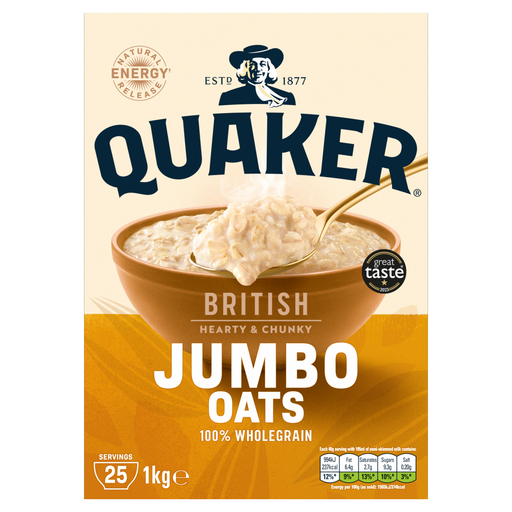
A 1kg plain-oat option for a household that wants one pack for porridge, overnight oats and baking.
The listing states 100% wholegrain oat flakes, cool, dry storage and resealing after opening.
It may contain traces of wheat, and the jumbo texture may not suit every toddler; check the current label and try the texture before moving to larger volumes.
 No image available
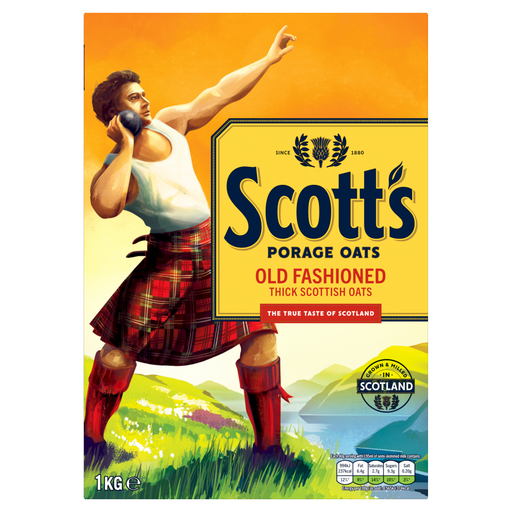
This 1kg rolled-oat pack suits families who prefer a thicker, heartier porridge and can adapt the consistency for the child.
The listing confirms 100% rolled oats, hob and microwave instructions, a 40g preparation reference, and cool, dry storage with airtight-container guidance after opening.
The listing describes a thicker rolled-oat texture and says it may contain gluten from wheat and barley, so check suitability against individual requirements.
 No image available
A larger option for frequent multi-person porridge use, with the total 2kg split into two 1kg packs.
The listing identifies 100% organic wholegrain oat flakes and cool, dry storage.
Confirm that the household can use the full quantity within its best-before period and that the current label meets any gluten-related requirement.
A 1kg plain-oat pack is a sensible starting point when more than one person regularly eats porridge. NHS recipe guidance uses 20g of oats for one 10- to 12-month-old portion, while retail packs commonly use a 40g adult serving reference. Use these figures to estimate household use, not to set the child's portion.
Neither is universally better. Quick-cooking oats can suit a smooth, creamy bowl and fast preparation, while jumbo oats suit families who enjoy a thicker texture and whose toddler manages it comfortably. Prepare the oats thoroughly and adjust the consistency with the chosen liquid where appropriate.
For a child over 12 months, NHS guidance says cereals can be mixed with pasteurised whole cows', goats' or sheep's milk. The NHS also recommends full-fat dairy products up to age 2; individual medical or dietary advice takes priority.
Do not assume that they do. The Food Standards Agency states that food labelled gluten-free must contain no more than 20mg/kg gluten, while oats remain an allergen in their own right. Check the current product label, as standard oat packs can carry gluten-related wording and gluten-free-labelled oat products are sold separately.
Check the individual setting's current policy first. In England, schools must publish an allergy safety policy, and Department for Education guidance says food brought from home should be considered in allergy-safety arrangements. Permitted foods can therefore vary by setting.