What matters when packing a snack?
Start with a food intended for the child’s age, then check the portion, label and practicalities of serving it away from home.
| Priority | What to check | Your needs |
|---|
| Everyday snack choice |
For routine snacks, compare foods such as fruit, plain unsweetened yoghurt, toast and crackers from NHS examples. Check the serving against the child’s usual meals rather than selecting a bar to add protein. |
I need something portable between meals, not a product chosen chiefly for its protein claim. The Scientific Advisory Committee on Nutrition’s 2023 report found that children aged 1.5 to 4 years exceeded recommendations for protein, energy, saturated fat and free sugars. |
| Age statements and warnings |
Read the label for an age restriction and other use warnings on the exact flavour. Grenade states that its Dark Chocolate Raspberry bar is unsuitable for children under 14 and warns of a laxative effect from excessive consumption. |
A small pack or a low-sugar label might catch my eye, but I need to know whether that particular product is intended for a toddler. |
| Ingredients and allergens |
Check the ingredient list, declared allergens and any ‘may contain’ statement for the exact variant. Confirm the nursery’s food policy before packing it. |
With an allergy or nursery restriction to account for, I need a snack whose ingredients I can check each time. The Food Standards Agency explains that precautionary allergen labelling signals possible unintended presence of an allergen. |
| Texture and serving |
Consider size, shape and texture, including hard pieces, nuts or dense and sticky layers. Prepare food in manageable pieces where appropriate, and serve it while the child is seated and supervised. |
I need to serve the snack safely, rather than hand over a whole bar while my toddler is moving. Healthier Together NHS advises cutting solid food into small pieces and staying with young children while they eat. |
| Pack and storage |
Check whether the portion needs a spoon, chilling or refrigeration after opening. Keep any detachable packaging parts away from young children where the product carries a warning. |
For a trip, I want a portion I can serve under the conditions on its pack; a convenient pouch or pot may still need care once opened. |
Brand and retailer references
These adult-oriented protein-bar ranges and retailer listings provide context for label checks; their inclusion does not mean they are toddler snack recommendations.
Grenade
Grenade markets its Carb Killa range as high-protein, low-sugar snacks associated with workouts and eating on the go.
- Individual product pages provide warnings to check before choosing a flavour.
- Grenade states that its Dark Chocolate Raspberry bar is unsuitable for children under 14 and warns of a laxative effect from excessive consumption.
PhD
PhD presents Smart Bar as a high-protein, low-sugar grab-and-go snack.
- The brand describes the bar’s centre, caramel and crunchy protein pieces.
- PhD’s use guidance warns that excessive consumption may cause laxative effects and says to store the product out of children’s reach.
Myprotein
Myprotein sells protein snacks in formats including wafers, flapjacks and layered bars.
- The different formats make texture a product-by-product consideration.
- The range description does not identify these bars as toddler foods; a Tesco listing for a Myprotein Layered Protein Bar describes use alongside a varied and balanced diet.
Barebells
Barebells offers chocolate-coated and soft protein bars with different fillings and inclusions.
- Its product descriptions identify features such as cookie pieces or peanut crunch that are relevant when checking texture.
- Barebells lists milk, hazelnuts and soya for Hazelnut Nougat, with precautionary information for other allergens. Check the exact flavour’s label.
Tesco
Tesco lists protein bars from several brands, including products marketed for exercise-related snacking.
- Individual listings can help identify a product’s stated ingredients and intended use.
- A place in a supermarket protein-bar aisle does not establish toddler suitability; check the product’s own pack.
Toddler snack options on Joybuy
These fruit, wafer, yoghurt and rice-cake products are options for packing an everyday toddler snack instead of an adult protein bar. Check each child’s allergies, the pack’s age marking and how the food must be served.
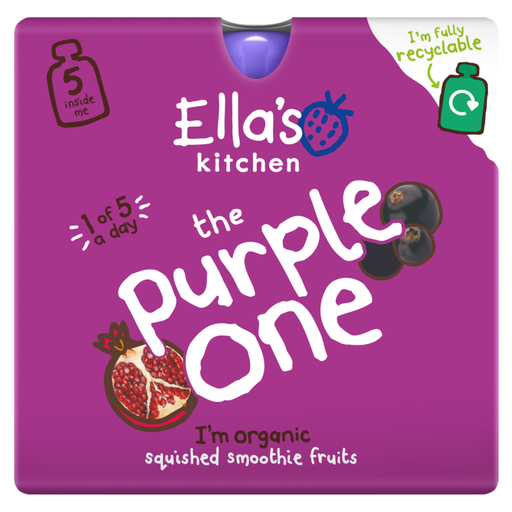 Image unavailable
Ella's Kitchen The Purple One Snack, 6+ Months, 5 x 90g
A fruit pouch is one way to pack a portion for an outing. The pack is marked 6+ months and contains five 90g pouches. Keep the cap out of reach of children under 36 months; refrigerate an opened pouch and use it within 48 hours.
View on Joybuy
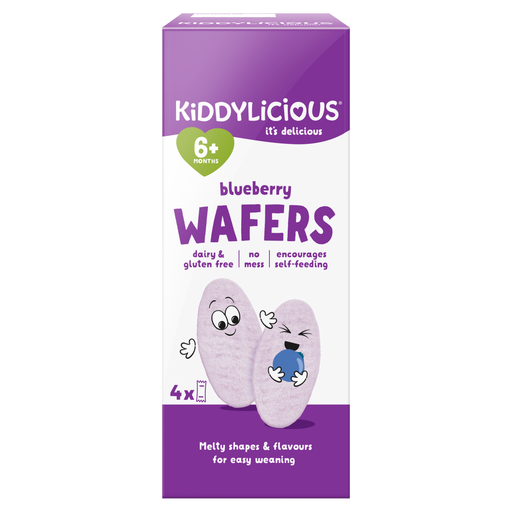 Image unavailable
Kiddylicious Blueberry Wafers, 6+ Months, 4 x 4g
These portioned wafers are a finger-food option for a seated, supervised snack. The pack is marked 6+ months and contains four 4g portions. They contain milk and gluten, so check the label against the child’s allergy requirements.
View on Joybuy
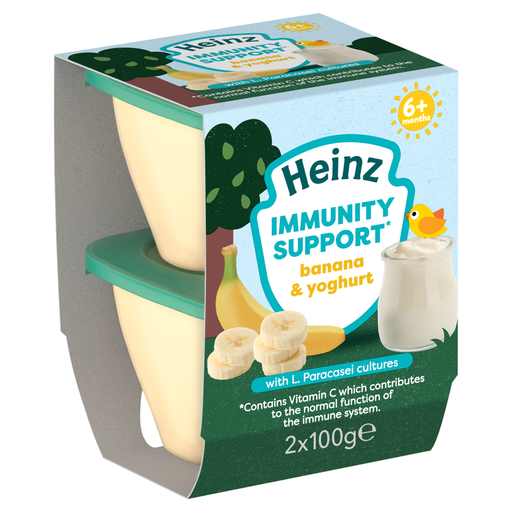 Image unavailable
Heinz Banana & Yoghurt Pot, 6+ Months, 2 x 100g
A spoonable fruit-and-yoghurt option for a snack when a spoon is practical. The pack is marked 6+ months and contains two 100g pots. It contains milk; refrigerate any uneaten food and use it within 24 hours.
View on Joybuy
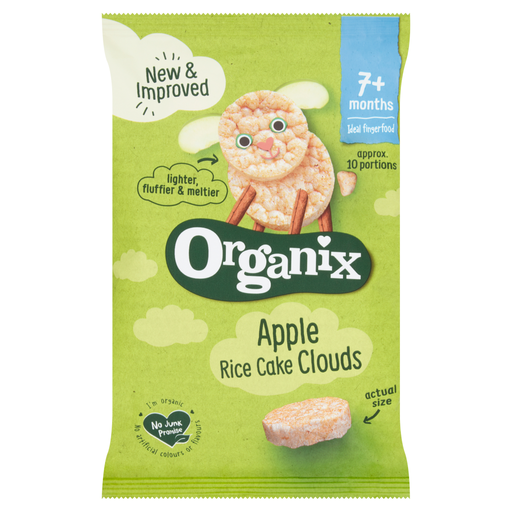 Image unavailable
Organix Apple Rice Cake Clouds, 7+ Months, 40g
Apple rice cakes are a packable finger-food option. This 40g pack is marked 7+ months. Check the serving size and texture for the individual child, and supervise them while eating.
View on Joybuy
Frequently asked questions
Are protein bars suitable for a toddler’s routine snack?
Choose an age-appropriate food instead of a mainstream protein bar for routine toddler snacks. The Scientific Advisory Committee on Nutrition reported in 2023 that children aged 1.5 to 4 years exceeded protein recommendations, and Grenade expressly labels its Dark Chocolate Raspberry bar unsuitable for children under 14. Check any particular product’s age statement rather than assuming all bars carry the same warning.
Does ‘low sugar’ make a protein bar suitable for toddlers?
No: a low-sugar claim is not an age-suitability statement. Read the full label, including warnings. Grenade’s Dark Chocolate Raspberry bar, for example, carries both an under-14 restriction and a warning that excessive consumption may cause a laxative effect.
What can I pack instead of a protein bar?
The NHS suggests foods including fruit, plain unsweetened yoghurt, toast, crackers and unsalted rice cakes for young children. Choose a portion and texture the child can manage, and account for refrigeration, utensils, allergies and any nursery food policy.
How do I check a packed snack for allergens?
Read the exact product and flavour’s ingredients, declared allergens and precautionary statements, then check the nursery’s food policy. The Food Standards Agency explains that ‘may contain’ information communicates possible unintended allergen presence; the NHS notes that some nurseries restrict peanuts or nuts.
What if my toddler has been advised to have more protein or energy?
Ask the clinician or paediatric dietitian managing that need which food, portion and frequency fit the child’s plan. Do not substitute a standard adult protein bar on the strength of its front-of-pack claim.


