
24/7 Customer Support

Free returns

Same-day & Next-day Delivery

Quality Guaranteed

Unlock Your Welcome Offers: FREE Delivery | Up to 80% OFF | Free 30-day JoyPlus trial
Download the APP
The transition from a bottle to a cup is a significant milestone in your toddler's development. However, finding the right cup can feel overwhelming. With so many options available, parents often find themselves navigating a sea of claims about non-spill features, materials and cleaning convenience. The goal is simple: a cup that helps your child learn to drink independently without creating constant puddles on the floor.
This guide is designed to cut through the clutter. As the Joybuy Product Recommendation Officer, my role is to provide clear, practical information to help you choose a toddler sippy cup that fits your family's needs. We will explore key features to consider and highlight a few standout options that balance function, safety and ease of use.
Before diving into specific products, let's cover a few essential points to consider during your search. Focussing on these areas will help you narrow down the choices to find a suitable toddler training cup.
Your child's health is the top priority. Look for cups explicitly labelled as a BPA free sippy cup, and preferably also free from other chemicals like Phthalates and Latex. The material should be durable enough to withstand being dropped.
Equally important is hygiene. An easy clean sippy cup will save you considerable time and effort. Cups that can be fully disassembled, including the valve and spout, allow for thorough washing to prevent mould build-up. Dishwasher-safe components are a practical bonus for busy households.
The two most common designs are spouted cups and straw cups.
Beyond the basics, certain features make a big difference in daily life. A non-spill toddler cup is a must-have for most parents, preventing leaks in your bag or on the carpet. Look for designs with integrated valves or clever spout mechanisms. Other useful features include easy-grip handles for small hands, hygienic covers for travel and for those with environmental concerns, an eco-friendly toddler cup made from sustainable or biodegradable materials is an increasingly popular choice.
Based on features that address common parenting needs, here are our recommendations for 2026.
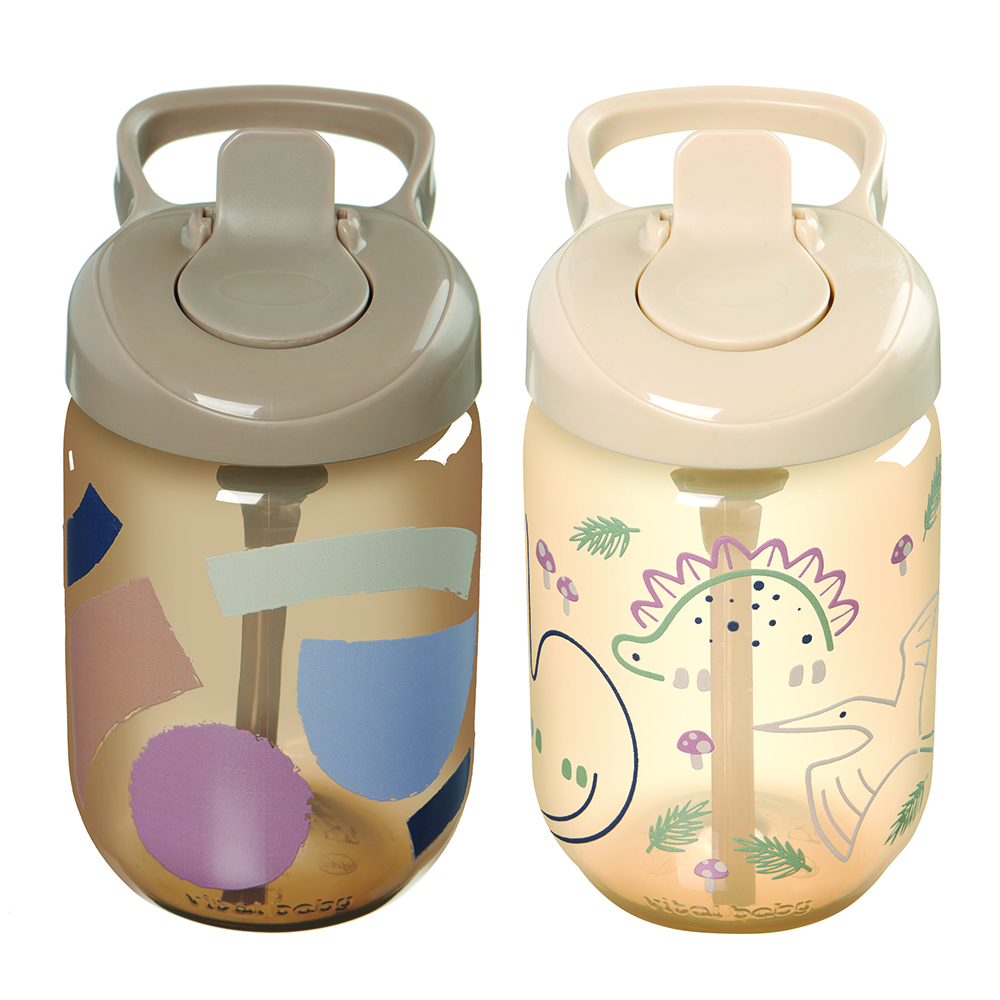
Why It Stands Out: The weighted straw is the key feature here. It follows the liquid as the cup is tilted, meaning your toddler can drink to the last drop without frustration, encouraging their independence.
Pros:
Who is it for? This cup is an excellent choice for active toddlers aged 12 months and over who are mastering drinking from a straw. Its robust, non-spill design makes it particularly suitable for use on the go, whether on trips to the park or in the car.
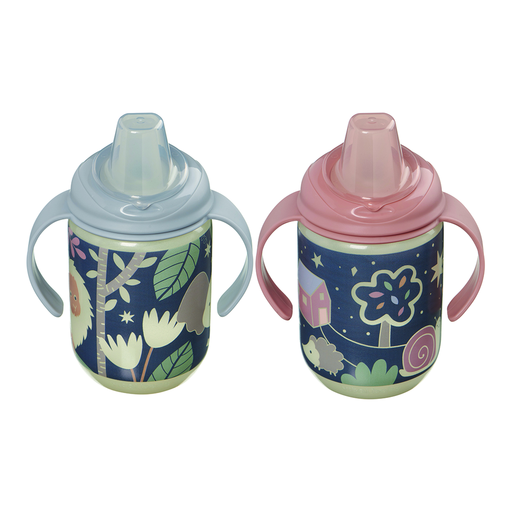
Why It Stands Out: This cup solves a common nighttime problem. The glow-in-the-dark cup and spout help your little one find their drink in the dark without needing to wake you, promoting self-soothing and uninterrupted sleep.
Pros:
Who is it for? This is a great option for parents of children aged 6 months and up, especially those looking for a solution to nighttime thirst. The removable handles and durable design also make it a versatile day-to-day cup.
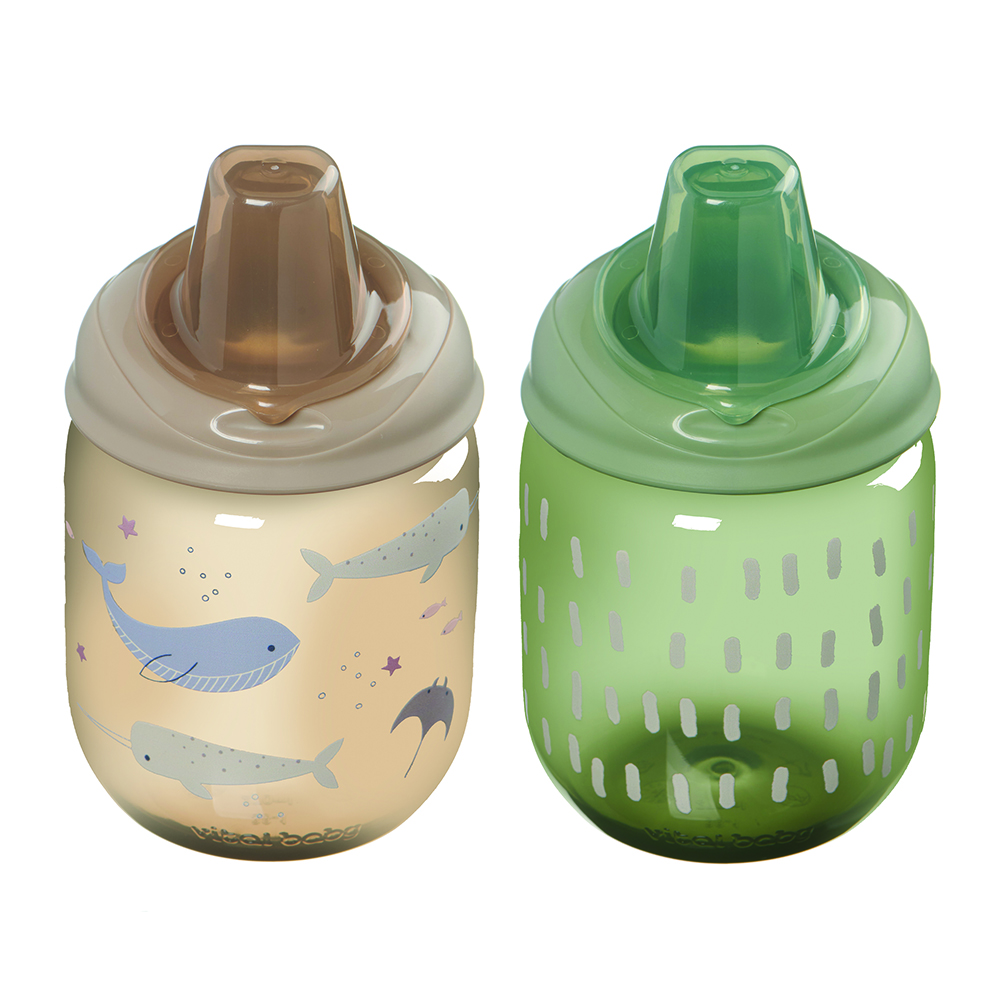
Why It Stands Out: This cup combines a dentist-friendly soft spout with an eco-conscious design. The use of EarthSmart technology makes it a thoughtful choice for parents who want the convenience of plastic with a reduced long-term environmental impact.
Pros:
Who is it for? This cup is perfect for parents starting the transition to a sippy cup from 6 months onwards. It's a practical choice for environmentally aware families who don't want to compromise on safety or functionality.
A child's needs change quickly as they grow. If you are also shopping for an older child, perhaps for a sibling's birthday, you may find other items of interest.
Explore our curated selection of gifts for five-year-olds to discover more options for growing kids.
Browse Gifts for Five Year Olds
1. When should a toddler start using a sippy cup? Most health guidelines suggest introducing a sippy cup around 6 to 9 months of age. Starting with a sippy cup for 6 months can help your baby begin the transition away from the bottle and develop the coordination needed for independent drinking.
2. Are straw cups or spout cups better for toddlers? Both have their place. Soft spout cups are often easier for younger babies to use initially. However, many dental and feeding specialists suggest that straw cups can be better for promoting mature swallowing patterns and oral muscle development. The choice often comes down to which type your child takes to most easily.
3. How do I properly clean a non-spill toddler cup? To ensure your non-spill toddler cup stays hygienic, it's crucial to disassemble it completely after each use. This includes removing the lid, spout or straw and any valves. Wash all parts in warm, soapy water, using a small brush to clean inside straws and spouts. Rinse thoroughly and allow all parts to air dry completely before reassembling. Many are also top-rack dishwasher safe, which can simplify the process.