Carers considering occasional bar multipacks
Individual packs can be convenient away from home, but the bar still needs an appropriate texture, ingredients and portion for the child. NHS guidance favours fruit and vegetables for routine snacks.


For routine toddler snack time, start with fruit and vegetables rather than a snack-bar multipack, in line with NHS guidance. If individually packed bars are useful occasionally, check the exact ingredients, allergens, portion and texture before choosing a larger pack. NHS guidance says to give dried fruit with meals rather than between them and not to give whole nuts to children under five.
Individual packs can be convenient away from home, but the bar still needs an appropriate texture, ingredients and portion for the child. NHS guidance favours fruit and vegetables for routine snacks.
Fruit-and-nut and chewy bars need closer inspection. NHS guidance says dried fruit belongs with meals, and whole nuts should not be given to children under five.
Check one pack and the individual portions before committing to a larger quantity. Pack size cannot tell you whether its contents suit your toddler.
Decide whether a packaged snack is needed, then screen the individual product before considering pack size or storage convenience.
| Priority | What to check | Your needs |
|---|---|---|
| Everyday use | Consider fruit or vegetables for routine snacks. For a packaged bar, compare its portion and front-of-pack traffic-light labels; NHS guidance advises no more than two packaged snacks a day. | I want something convenient without making individually wrapped bars the automatic snack every day. |
| Dried fruit and sugars | Read the ingredient list for dried fruit and check sugars against the labelled serving size. NHS advises giving dried fruit with meals rather than between meals because its sugar can cause tooth decay. | A fruit-based bar sounds convenient, but I need to know whether it contains dried fruit before offering it between meals. |
| Texture | Inspect the actual bar for whole nuts and pieces the child may struggle to chew. NHS says not to give whole nuts to children under five and advises seating and supervising children while they eat. | Can my child manage this particular bar's pieces and texture, rather than just the age shown on the pack? |
| Allergens | Read the current pack's ingredients and allergen statement, including precautionary warnings. Check again when switching flavour, pack format or retailer. | For our household, the declaration on the pack we will use matters more than a general claim about the brand. |
| Pack format | Check the number of portions, each portion's size and whether the packaging suits how you will store and serve it. Assess the individual product before choosing a larger pack. | I need portions that fit our occasional outings, not a large supply of a bar my child cannot manage. |
A convenient pack format does not make a bar suitable for routine toddler snacks or manageable for a particular child.
Try a smaller pack first. Check the current label and the bar's texture before choosing a larger quantity.
Otherwise, you may be left with portions you decide not to serve.
A fruit-and-nut bar can still contain dried fruit or whole-nut pieces. NHS advises serving dried fruit with meals and not giving whole nuts to children under five.
Read the full ingredients and inspect the texture; assess the actual product rather than relying on a front-of-pack claim.
A protein figure does not establish toddler suitability. TREK lists 14g sugars and 5g saturated fat per 50g Cocoa Oat bar on its product page.
Check the portion, ingredients, nutrition label, allergens and texture instead of treating protein content as the deciding factor.
Ingredients and precautionary allergen statements can differ between products and may change.
Read the declaration on the current pack each time, including when buying a different multipack of the same flavour.
These brand examples describe different kinds of products to inspect; a brand name alone does not establish whether a particular bar suits a toddler.
Graze sells Oat Boost flapjacks alongside other snack formats.
Its range includes crunchy oat bars and protein bars.
Nakd makes fruit-and-nut bars and says its fruit-and-nut range contains no added sugar or syrups.
TREK sells protein bars and flapjacks positioned around active lifestyles.
The range includes fruit-and-nut bars and a soft fruit sub-range.
Alpen's cited No Added Sugar product is muesli, not a snack bar.
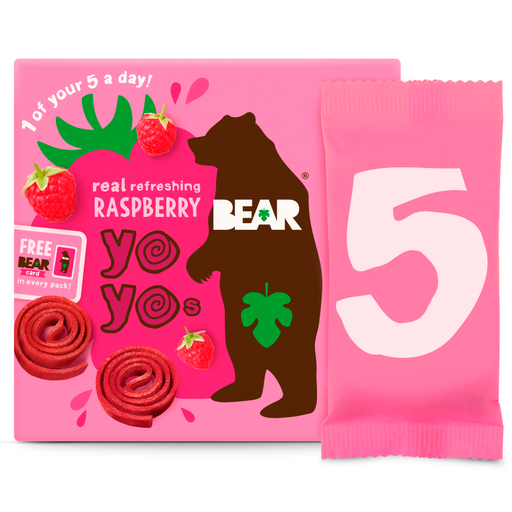
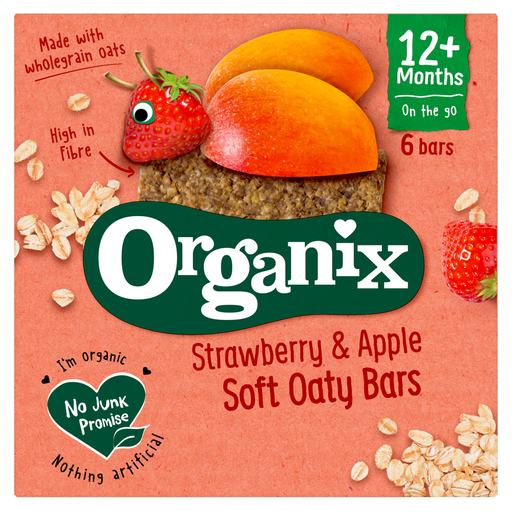
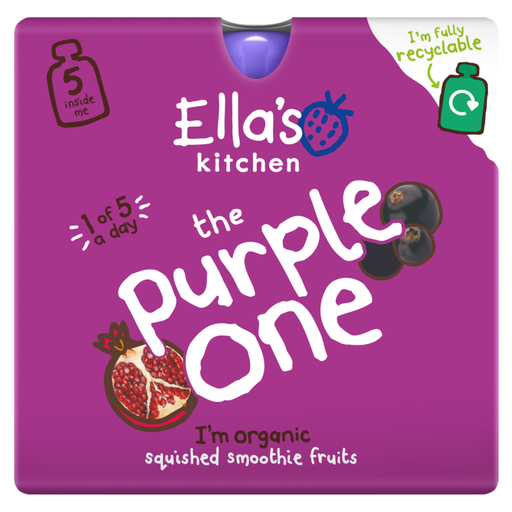
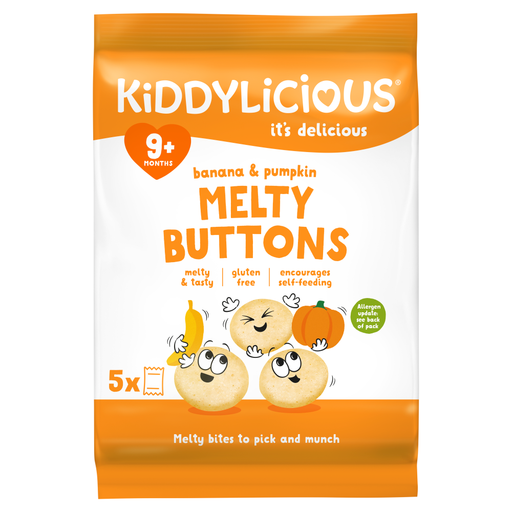
These options include one soft oaty bar and individually portioned alternatives: fruit rolls, a fruit pouch and melty buttons. Check each product's current pack and serving format against your child's needs; the alternatives are not interchangeable with bars.
 No image available
Fruit rolls offer an individually portioned alternative to a bar. Check the current ingredients and texture; if the product contains dried fruit, NHS guidance advises serving it with a meal rather than between meals.
 No image available
This is the soft oaty bar option in the selection, with six 23g portions. Check the current ingredients, sugars, allergen declaration and texture; an age label does not replace assessing whether your child can manage the bar.
 No image available
This fruit pouch is an alternative format rather than a snack bar. Check the current ingredients and how you plan to serve it, and keep the pouch cap out of reach of children under 36 months.
 No image available
These portioned buttons are another alternative to a bar. Read the current nutrition and allergen labels, assess the pieces for your child and supervise them while eating.
Fruit and vegetables are the routine starting point: NHS Healthier Families calls them the preferred snack choice and advises aiming for no more than two packaged snacks a day. Keep bars for occasions when their format is useful, after checking the individual product.
The claim does not settle that question. NHS guidance advises giving dried fruit with meals rather than between them because its sugar can cause tooth decay, and says not to give whole nuts to children under five. Check the bar's ingredients and pieces.
Look for whole nuts and firm or difficult-to-chew pieces, then consider the food's size, shape and texture for your child. NHS guidance says to seat children upright and supervise them while they eat; whole nuts should not be given to under-fives.
Screen the individual bar for ingredients, allergens, texture, portion size and nutrition before choosing a pack quantity. A larger pack is useful only if its portions suit how and when you intend to serve them.
Use an online listing to narrow your options, then read the current product pack before serving. Tesco advises checking the label because packaged food products can be reformulated.