
24/7 Customer Support

Free returns

Same-day & Next-day Delivery

Quality Guaranteed

Unlock Your Welcome Offers: FREE Delivery | Up to 80% OFF | Free 30-day JoyPlus trial
Download the APP
Finding the right snacks for a growing toddler can feel like navigating a minefield. You want something convenient for those busy days out, but also healthy and safe for your little one. The shelves are packed with options, all promising wholesome goodness. As a Joybuy Product Recommendation Officer, my role is to help you see past the marketing claims and focus on what truly matters. Let's look at the common pitfalls parents fall into and how to choose with confidence.
Many well-intentioned parents are caught out by clever packaging and misleading health claims. Before you add another box of bars to your trolley, be aware of these two frequent traps:
To avoid these pitfalls, focus on three key parameters when analysing the packaging. This will empower you to make an informed choice for your child.
Look at the Nutritional Information table, specifically the "Carbohydrates – of which sugars" line. This figure tells you the total sugar content per 100g. While some sugar will naturally come from whole fruit and milk, a high number (e.g., over 25g per 100g) often indicates a heavy reliance on concentrated fruit juices or syrups. Cross-reference this with the ingredients list. If you see syrups or juice concentrates listed near the top, it means they are primary ingredients. The goal is to find no added sugar baby snacks where the sweetness comes mainly from the whole ingredients themselves, like whole oats and pieces of real fruit.
A shorter, more recognisable ingredients list is often a good sign. Look for organic toddler snacks that prioritise whole foods. Wholegrain oats should ideally be the first ingredient, as they provide fibre for slow-release energy. Be wary of long lists filled with artificial flavours, colours or preservatives. Brands that are transparent about their sourcing and stick to simple, organic components offer greater peace of mind.
The right texture is crucial for both safety and enjoyment. For toddlers just mastering their chewing, a soft, moist and easy-to-swallow bar is essential. Hard, crunchy or overly crumbly bars are better suited for older children. Look for descriptions like "soft baked" or "soft and chewy." These are designed specifically for the baby food 12+ months stage, helping to build confidence with new textures without the associated risks.
Based on these practical criteria, here are a few options that align with different family needs and priorities.
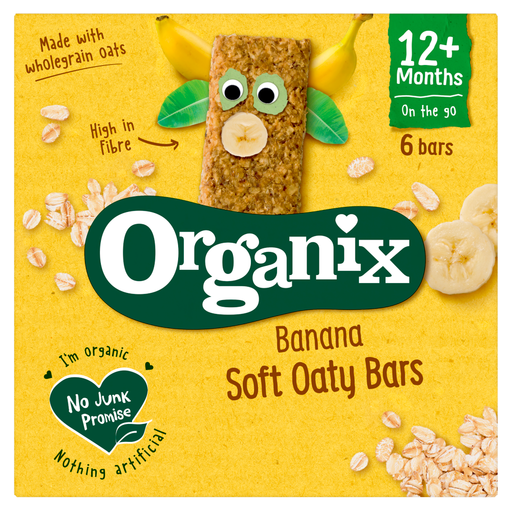
Why This Fits Their Persona: For parents seeking a straightforward and reliable option for a one-year-old, this bar is an excellent starting point. It's made with organic wholegrain oats and real fruit, with a brand promise focused on simple, appropriate food for little ones.
It directly counters the texture mismatch pitfall by being specifically baked to be soft and easy to chew, making it ideal for toddlers exploring new foods. It contains no added refined sugar.
The "No Junk Promise" and organic certification provide reassurance. The ingredients list is simple, with wholegrain oats as the main component for sustained energy.
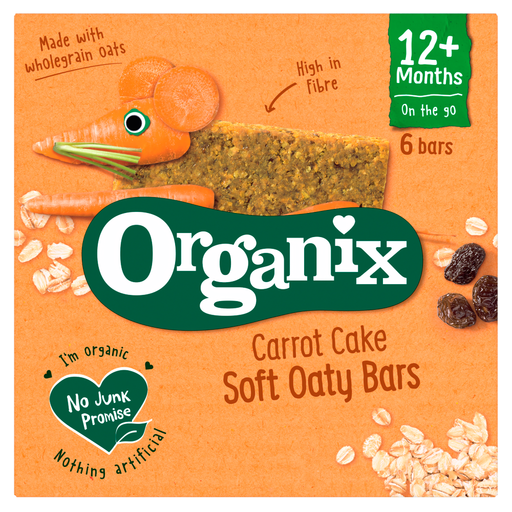
Why This Fits Their Persona: For busy parents needing reliable on-the-go toddler snacks, these individually wrapped bars are perfect for lunchboxes, changing bags and family days out. The portion size is controlled and convenient.
This bar's recipe includes agave inulin, making it a source of fibre. This helps to avoid the "sugar crash" associated with snacks that rely solely on simple sugars for energy.
Each bar is under 100kcal, aligning with government recommendations for children's snacks. The individual wrapping ensures freshness and minimises mess.
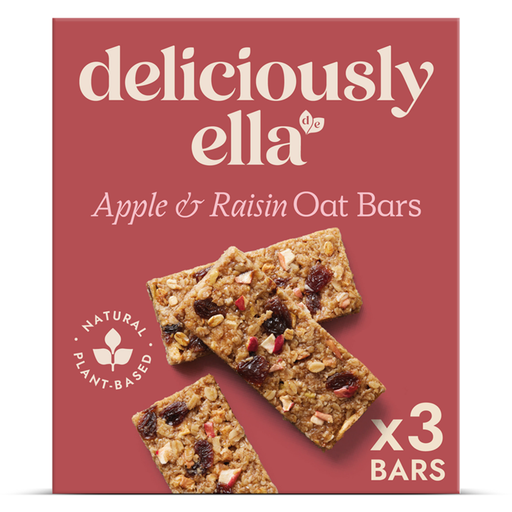
Why This Fits Their Persona: This bar is a great fit for families with specific dietary needs, as it is both vegan and made with gluten-free oats. It's a more substantial bar suitable for older toddlers or as a shared snack.
While it uses rice syrup, it avoids artificial additives and preservatives common in other snacks. It's important to note the sugar content (29g per 100g) is higher than some toddler-specific bars, a trade-off for its gluten-free and vegan properties.
It successfully caters to both gluten-free and plant-based diets with 100% natural ingredients. The flavour combination of apple and cinnamon is often a favourite with children.
We have compiled a complete, real-time list of products that fully satisfy these strict selection criteria and UK safety regulations.
Most soft oaty bars are designed for toddlers from 12 months and older. At this age, many children have developed the necessary chewing skills to handle softer solid foods. It is always vital to ensure your child is sitting upright and supervised while eating to minimise the risk of choking.
This depends on the quantity. While fruit juice concentrate is a "natural" ingredient, it is a concentrated source of sugar. A small amount used for flavour alongside whole fruit is reasonable. However, if it's one of the main ingredients, the bar may be higher in sugar than you'd like. It's about balance and checking the overall sugar content on the nutritional panel.
Store them in a cool, dry place like a pantry. Avoid direct sunlight or warm spots, which can affect the texture. For multipacks with individually wrapped bars, keeping them in the original box is fine. If you open a multipack where the bars aren't individually wrapped, transfer them to an airtight container to prevent them from becoming hard or stale.