Parents packing nursery lunches
A convenient pack still needs to suit the child, the nursery’s food policy and the available storage. NHS snack suggestions include fruit and plain unsweetened yoghurt.


For a toddler’s routine snack or nursery lunchbox, choose an age-appropriate food such as fruit or plain unsweetened yoghurt rather than a jelly-sweets multipack. NHS guidance says babies and young children should not have jelly cubes or hard, gooey or sticky sweets; check the nursery’s food policy and how chilled lunchbox foods will be stored.
A convenient pack still needs to suit the child, the nursery’s food policy and the available storage. NHS snack suggestions include fruit and plain unsweetened yoghurt.
For a repeatable snack, consider the food itself rather than the number of portions in the pack. NHS guidance says babies and young children should not have jelly cubes or hard, gooey or sticky sweets.
Where a setting provides meals, snacks or drinks, the Department for Education’s May 2025 early-years nutrition guidance says they must be healthy, balanced and nutritious. That is a different situation from a parent packing a lunchbox.
Decide on an age-appropriate snack first, then check the nursery’s policy and any storage the food needs.
| Priority | What to check | Your needs |
|---|---|---|
| Sweet form | Identify the exact texture and shape. NHS guidance says babies and young children should not have jelly cubes or hard, gooey or sticky sweets; smaller packs do not change the sweet’s form. | I need a snack appropriate for a young child, not reassurance from an individual wrapper. |
| Everyday snack | Compare the food with NHS snack suggestions, such as fruit, plain unsweetened yoghurt and vegetable sticks. Do not treat a fruit flavour as the same thing as fruit. | For a regular snack, I would rather choose from foods suggested for young children than buy confectionery in bulk. |
| Nursery policy | Read the setting’s current food and allergy rules. Check whether they apply to parent-packed lunches, food provided by the setting, or both. | Before filling a lunchbox, I need to know what this nursery accepts. |
| Chilled storage | If packing yoghurt or another chilled food, check whether lunches are refrigerated. Plan suitable cool storage if they are not. | A chilled option needs to remain practical for the time between packing and snack time. |
Portion packaging does not change texture. NHS guidance says babies and young children should not have jelly cubes or hard, gooey or sticky sweets.
Check the exact sweet before buying; do not choose those forms for a toddler snack.
A flavour description does not establish that confectionery is equivalent to the fruit suggested in NHS snack guidance.
For routine snacks, compare the actual food and ingredients with options such as fruit or plain unsweetened yoghurt.
A setting’s food and allergy rules can affect what goes in a lunchbox. The Department for Education’s guidance for England early-years settings separately addresses food that providers supply.
Check the nursery’s current written policy before packing a treat, and ask how lunches are stored.
Tesco Groceries lists jelly and chewy sweets from these brands, but a familiar name does not settle the toddler-snack decision.
Tesco Groceries lists Haribo products including Starmix and Goldbears among its jelly and chewy sweets.
Tesco Groceries lists Rowntree’s Jelly Tots in its jelly and chewy sweets category.
Tesco Groceries lists its own-label Fruit Jellies alongside branded confectionery.
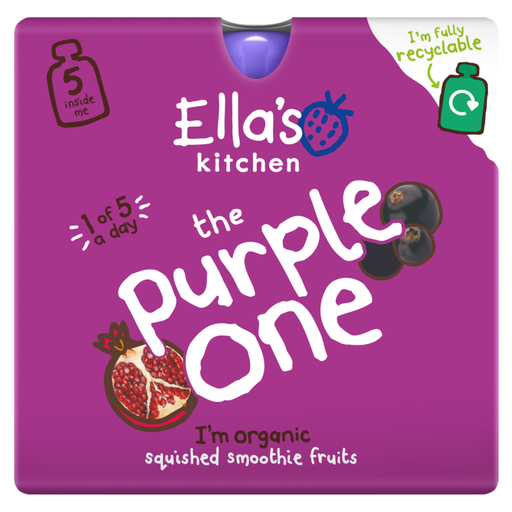
This fruit-pouch multipack is an alternative to confectionery for toddler snack time, not a jelly-sweets multipack. Check that its format and the nursery’s policy suit your child’s lunchbox.
 No image available
A fruit-pouch multipack to consider instead of confectionery for a toddler snack or lunchbox. The pack contains five 90g pouches and is labelled for ages 6+ months. Its cap may be a choking hazard for children under 36 months: keep the cap out of reach and supervise use. Check the nursery’s food and allergy policy before packing it.
Choose an age-appropriate snack instead of making jelly sweets a routine purchase. NHS suggestions for young children include fruit and plain unsweetened yoghurt, while its guidance says babies and young children should not have jelly cubes or hard, gooey or sticky sweets.
The relevant warning depends on the product’s form: NHS guidance specifically says babies and young children should not have jelly cubes or hard, gooey or sticky sweets. Check another product’s texture, shape and age-related warnings rather than assuming a small portion or wrapper makes it suitable.
Check that nursery’s food and allergy policy before packing them. For an England early-years setting that provides food, the Department for Education’s May 2025 guidance says its meals, snacks and drinks must be healthy, balanced and nutritious; that statement does not establish a blanket rule for every parent-packed lunchbox.
If you choose a chilled food such as yoghurt, arrange suitable cool storage, such as an insulated lunchbox with an ice pack. Check how the nursery stores lunches and choose a food that fits its policy.