Parents and carers buying toddler snacks
If a sharing bag of mints is being considered as a treat, start with the sweet’s texture rather than the pack size. NHS guidance identifies hard sweets as choking hazards for babies and young children.


Do not choose a sharing bag of hard mints for toddler snack time: the NHS says babies and young children should not have hard sweets because they are choking hazards. Choose a non-confectionery snack suited to the child’s age and eating skills instead, and check its texture and serving directions.
If a sharing bag of mints is being considered as a treat, start with the sweet’s texture rather than the pack size. NHS guidance identifies hard sweets as choking hazards for babies and young children.
For snacks provided to children aged 0 to 5, the Department for Education’s early-years nutrition guidance calls for healthy, balanced and nutritious food. The child’s age and the way a food is served also matter when planning snack time.
For toddler snack time, rule out hard mint sweets before comparing pack formats; then assess a non-confectionery food for the individual child.
| Priority | What to check | Your needs |
|---|---|---|
| Texture and shape | The NHS says babies and young children should not have hard, gooey or sticky sweets. For other foods, check whether their size, shape and firmness suit the child; the Department for Education warns that small round and firm foods can present choking hazards. | I need a snack suited to this child’s eating skills, not a hard sweet presented in a smaller portion. |
| Sugary snacks | Check what the food is, rather than treating a mint as an ordinary snack. The NHS advises avoiding sugary snacks for young children because they can cause tooth decay. | For an everyday snack, I want to choose food rather than mint confectionery. |
| Pack and age information | Check the food’s age guidance, texture and serving directions. A sharing bag or adult portion information does not establish toddler suitability; Sainsbury’s warns that its 200g Mint Imperials could be a choking hazard for small children. | A bigger bag is useful only if the food itself suits the child and I can follow its serving directions. |
Tesco describes Polo Original as a crunchy pressed mint. Its appearance does not change the NHS warning that hard sweets are choking hazards for babies and young children.
Leave hard mints out of toddler snack choices rather than trying to find a suitable shape of hard mint.
Pack size changes the amount of confectionery, not its suitability. Sainsbury’s specifically warns that its 200g Mint Imperials could be a choking hazard for small children.
Choose an age-appropriate snack category instead of using bag size or adult serving information as a safety guide.
A sugar-free claim does not address the NHS warning about hard sweets and choking.
Check the exact food’s texture first; do not substitute another hard mint for toddler snack time.
These examples explain why familiar mint formats do not answer the toddler snack question; they are not toddler snack recommendations.
Pressed peppermint mints sold in tube formats.
Peppermint mint rolls, including Extra Strong variants.
Its own-label Mint Imperials come in a 200g bag.
Its mint range includes bagged sweets as well as rolls and multipacks.
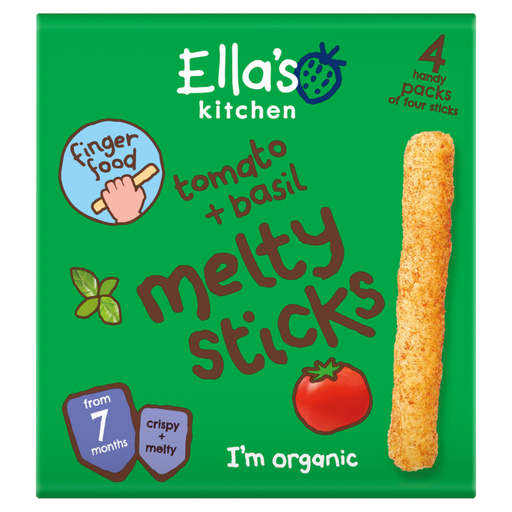
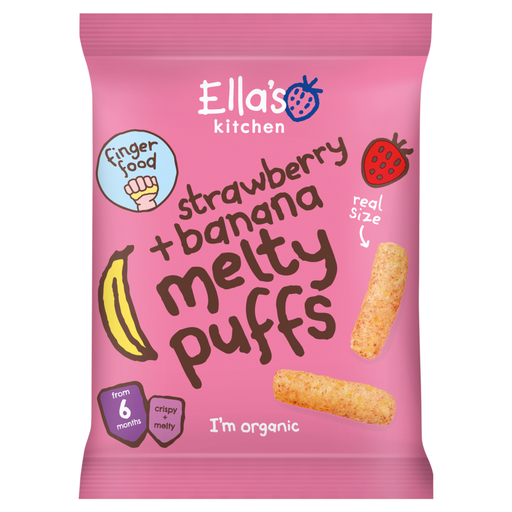
These are baby snack products to consider instead of hard mint confectionery. Check each current pack’s age, texture and serving directions against the child’s eating skills before offering it.
 No image available
A non-confectionery finger-food option to consider for a child ready to eat this type of snack. The pack contains four 6g portions; check the current serving directions and have the child seated and supervised while eating.
 No image available
A 20g non-confectionery snack to consider instead of hard mints. Check the current pack’s minimum age and serving directions, and whether the texture suits the child’s eating skills; keep the child seated and supervised while eating.
No. The NHS says babies and young children should not have boiled sweets or other hard, gooey or sticky sweets because they are choking hazards. That guidance applies to hard mint rolls, pressed mints and mint imperials.
No. A sharing bag changes the quantity sold, not the risk associated with a hard sweet. Sainsbury’s warns that its bagged Mint Imperials could be a choking hazard for small children.
A sugar-free label does not make a hard mint suitable for toddler snack time. Check the product’s texture: the NHS warning about hard sweets concerns choking, regardless of a sugar-free claim.
Choose a food suited to the child’s age and eating skills, then check its shape, firmness and preparation directions. Department for Education food-safety advice highlights firm and small round foods as choking concerns for babies and young children; follow the chosen product’s directions for seated, supervised eating.