
24/7 Customer Support

Free returns

Same-day & Next-day Delivery

Quality Guaranteed

Unlock Your Welcome Offers: FREE Delivery | Up to 80% OFF | Free 30-day JoyPlus trial
Download the APP
As a parent or caregiver, you’re likely familiar with the scene: a freshly cleaned floor, a happy toddler and a cup that is supposedly "spill-proof" lying on its side in a rapidly growing puddle. The transition from a bottle to a cup is a significant milestone, but finding the right vessel can feel like a quest. You need something that supports your child's development, is safe and durable and, most importantly, doesn't create more mess for you to clean up.
This guide is designed to help you navigate the options. We'll look at the key features to consider when choosing a toddler straw cup and share some of our top recommendations to make your decision a little easier.
Choosing a cup isn't just about picking a fun colour. To find a reliable option that works for both you and your child, consider these practical points.
These terms are often used interchangeably, but they can mean different things. A spill proof toddler cup typically has a valve in the straw that only opens when your child sips, preventing liquid from flowing out if the cup is tipped over. A leak proof beaker usually refers to a secure seal on the lid, stopping leaks from the threads when it's being shaken or carried in a bag. For ultimate peace of mind, look for cups that offer both features.
A cup that’s difficult to clean can quickly become a hygiene concern. Narrow straws and complex valve systems can be tricky to wash thoroughly, creating places for mould to hide. Look for cups with simple designs, wide straws, or innovative features that allow for easy disassembly and cleaning. Some models even come with their own cleaning brushes or have parts that are top-rack dishwasher safe, which is a huge time-saver for busy parents.
Your child's safety is paramount. Always check that any cup you consider is a BPA free toddler water bottle. BPA (Bisphenol A) is a chemical that has been widely phased out of children's products due to health concerns. Reputable brands will clearly state that their products are made from food-grade, non-toxic materials like polypropylene and silicone. Durability is also key, as the cup will inevitably be dropped, thrown and tested to its limits.
Here are a few standout options that address the common challenges parents face, from messy spills to difficult cleaning.

Why It Stands Out: The Munchkin Simple Clean Straw Cup directly tackles the biggest cleaning headache with its unique straw that zips open. This allows you to scrub the inside thoroughly with a regular sponge, ensuring no residue is left behind.
Pros:
Who is it for? This cup is an excellent choice for parents who prioritise hygiene and are tired of struggling with hard-to-clean straws.
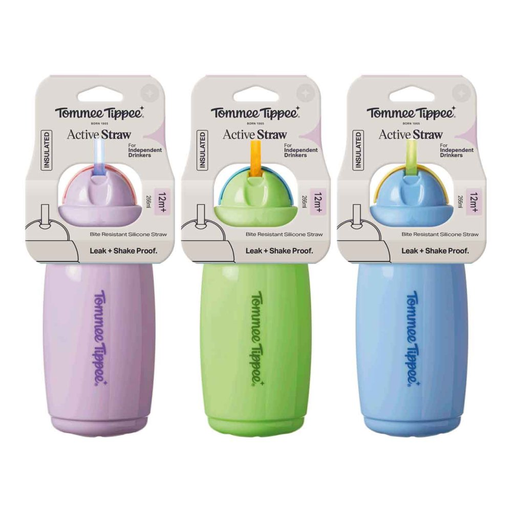
Why It Stands Out: This insulated toddler cup is built for active days out. Its insulated base keeps drinks cool, while the brand's proprietary valve technology is designed to be completely leak-proof, even when shaken vigorously.
Pros:
Who is it for? Ideal for parents who need a robust, reliable cup for outings that will keep their toddler's drink fresh and cool.
View Tommee Tippee Cup on Joybuy
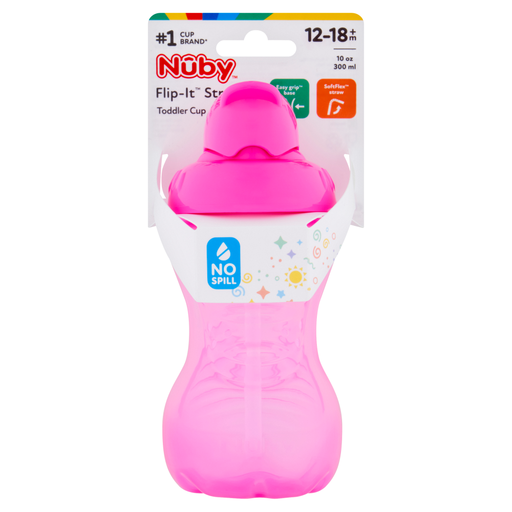
Why It Stands Out: The Nuby Flip-It Beaker features a soft silicone straw that is gentle on a toddler's sensitive gums and emerging teeth. Its flip-top cap is a simple but brilliant feature, keeping the straw clean and hygienic when tucked into a bag.
Pros:
Who is it for? A great option for toddlers who are just starting with straw cups, thanks to its soft straw and easy-to-hold design.
Now that you've found the perfect cup to keep them hydrated, you might be thinking about their next big step—literally. As toddlers become more confident on their feet, having the right footwear is just as important for their development and safety.
From their first sips to their first sprints, we're here to help. Explore our colourful and supportive range of coloured trainers to keep your little explorer comfortable and steady.
Many parents start introducing a straw or sippy cup for a 1 year old around their first birthday. At this age, most children have developed the oral motor skills needed to sip from a straw and the coordination to hold a cup. It's a great way to encourage independence and help them transition away from bottles.
The best practice is to disassemble the cup completely after each use. Wash all parts—cup, lid, straw and any valves—in warm, soapy water. Use a small brush if needed to clean inside the straw. Rinsing thoroughly and allowing all parts to air dry completely before reassembling will help prevent mould growth.
An insulated cup is a feature of convenience rather than a necessity. It is particularly useful for keeping milk, water, or juice cool during outings on warm days or for long car rides. For general use at home, a non-insulated cup is perfectly adequate. It comes down to how you plan to use the cup.