Do not choose a toffee multipack for toddler snack time or a lunchbox: NHS Best Start in Life identifies hard, gooey and sticky sweets as choking hazards for babies and young children. For children aged 12 months and over, its snack examples include fruit, vegetable sticks, toast, bread and plain yoghurt. Individual wrappers, smaller portions and sugar-free wording do not resolve the texture concern.
Who is this for?
Parents and carers packing toddler snacks
If you need something portable for a child aged 12 months or over, choose the food and its texture before deciding whether a multipack is convenient. NHS Best Start in Life advises against hard, gooey and sticky sweets for babies and young children.
Families packing food for nursery or school
Check the exact food label for allergens and follow the setting’s own food and allergy policy. A general claim about toffee cannot establish whether a particular pack meets those requirements.
Shoppers considering sugar-free toffee
Sugar-free wording does not change the sticky-sweet texture concern identified by NHS guidance. Werther's Original also warns that excessive consumption of its Sugar Free Creamy Toffees may produce laxative effects.
What matters when choosing a toddler snack?
Start with the food’s texture and the child’s ability to manage it; consider ingredients, the current label and pack format afterwards.
| Priority |
What to check |
Your needs |
| Manageable texture |
Avoid hard, gooey and sticky sweets, as advised by NHS Best Start in Life. Check serving directions and prepare other foods in pieces the child can manage. |
I need a snack my toddler can manage, not a smaller or individually wrapped piece of toffee. |
| Everyday snack choice |
Consider the NHS examples for children aged 12 months and over: fruit, vegetable sticks, toast, bread or plain yoghurt. Check ingredients when choosing a packaged option. |
For routine snack time, I want an alternative to confectionery that fits how my child eats. |
| Allergens and setting rules |
Read the ingredients, highlighted allergens and any precautionary statement on the current pack. Check the nursery or school’s own policy. |
I need to know whether this exact pack meets an allergy requirement and the setting’s rules; I cannot assume all toffee contains nuts or is nut-free. |
| Pack and serving format |
Check whether the listing is a multipack or a single portion, its stated size, and any supervision or serving instructions. |
A multipack may help me pack several snacks, but I would not use portion count to decide whether the food itself is appropriate. |
What should you avoid assuming?
-
Chewy toffee must be safer than a hard sweet
NHS Best Start in Life identifies gooey and sticky sweets as choking hazards alongside hard sweets for babies and young children. Chewiness does not resolve that concern.
Leave toffee out of toddler snack choices and consider a non-confectionery alternative with a texture the child can manage.
-
Sugar-free toffee solves the snack decision
Sugar-free wording does not change the texture of a sticky sweet. Werther's Original’s Sugar Free Creamy Toffees also carry an excessive-consumption laxative warning.
Choose a different snack format rather than treating the sugar-free claim as a reason to offer toffee to a toddler.
-
Every toffee has the same nut status
Ingredients and allergen declarations belong to the exact product, and recipes can change. Waitrose & Partners advises shoppers to check product labels rather than rely solely on online information.
Read the current pack, including any precautionary allergen statement, and follow the nursery or school’s allergy policy.
-
HFSS promotion rules determine packed-lunch rules
Department of Health & Social Care guidance on certain high-fat, sugar or salt promotions concerns businesses operating in and selling to England. Department for Education school-food standards concern food provided by state-funded schools in England; these are different from an individual setting’s packed-lunch policy.
Check the nursery or school’s own packed-lunch requirements rather than treating retail-promotion guidance as a UK-wide rule for parents’ lunchboxes.
Relevant toffee brand and retailer references
These examples help with product-label checks; they are not recommendations to give toffee to a toddler.
Werther's Original
Its Creamy Toffees and Sugar Free Creamy Toffees illustrate why a product claim must be considered separately from the toddler snack decision.
- Werther's Original describes its Creamy Toffees as made with butter and cream.
- Sugar-free wording does not address NHS guidance on sticky sweets; the sugar-free product carries an excessive-consumption laxative warning.
M&S
Its Toffee Assortment provides an explicit warning relevant to this choice.
- The product page identifies it as a chewy toffee assortment.
- M&S states that this assortment is not suitable for children under 36 months because of a potential choking hazard.
Waitrose
Its Dairy Toffee listing is a reminder to use the current pack when checking ingredients.
- Waitrose & Partners advises checking the product label because recipes can change.
- Label checking addresses ingredient information; it does not remove the texture concern for toddler snack time.
Joybuy snack options instead of toffee
These fruit, yoghurt and wafer products are options to consider instead of a toffee multipack. They include both multipacks and single pouches; check each product’s serving directions and current label for your child and setting.
 No image available
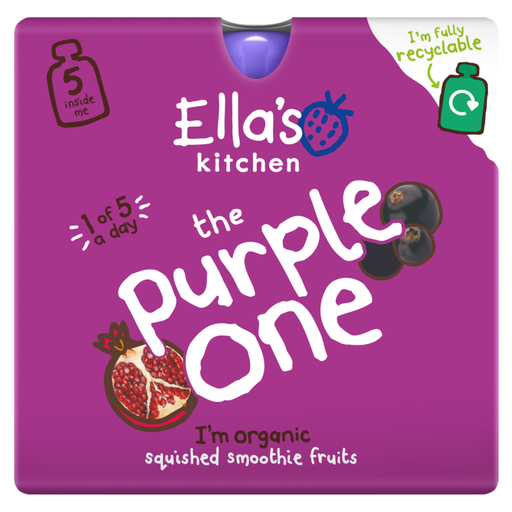
Ella's Kitchen The Purple One Snack 6+ Months, 5 × 90g
The five-pouch format offers individual portions to pack instead of toffee. The product is labelled 6+ months; supervise eating and keep the pouch cap out of reach of children under 36 months, as its product information warns of a choking hazard.
View on Joybuy
 No image available
Ella's Kitchen Organic Mango Greek Style Yoghurt 6+ Months, 90g
Consider this fruit-and-yoghurt pouch if a single portion suits the snack you are packing; it is not a multipack. The product is labelled 6+ months and lists milk as an ingredient. Check the current pack and follow its serving directions.
View on Joybuy
 No image available
Ella's Kitchen Greek Yoghurt With Strawberry 6+ Months, 90g
This is a single fruit-and-yoghurt pouch rather than a toffee multipack. It is labelled 6+ months; its product information calls for adult supervision and lists milk and cereals containing gluten. Check the current pack for the full allergen declaration.
View on Joybuy
 No image available
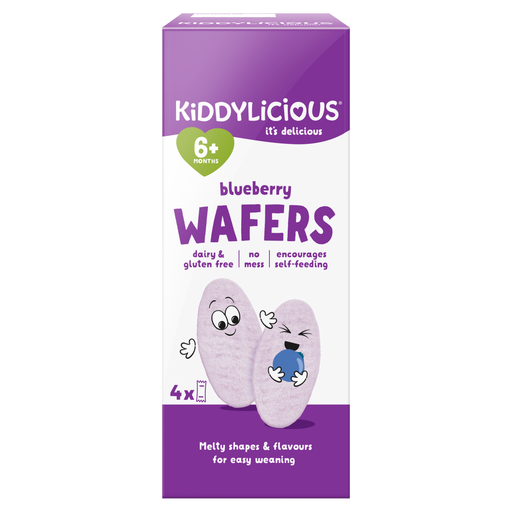
Kiddylicious Blueberry Wafers 6+ Months, 4 × 4g
The four-portion pack may suit a child who is already experienced with firmer food textures. Although labelled 6+ months, the product directions call for upright, supervised eating. Its product information lists corn syrup, milk and cereals containing gluten, including wheat; check the current pack.
View on Joybuy
Common questions
Is chewy toffee a suitable alternative to a boiled sweet for a toddler?
No. NHS Best Start in Life identifies hard, gooey and sticky sweets as choking hazards for babies and young children, so a chewy toffee does not resolve the snack-time concern.
What could I pack instead for a child aged 12 months or over?
NHS Best Start in Life gives fruit, vegetable sticks, toast, bread and plain yoghurt as snack examples. Prepare the food in a form the child can manage and follow any relevant serving directions.
Does sugar-free toffee change the decision?
No. A sugar-free claim does not remove the hard, gooey or sticky texture concern in NHS guidance. Werther's Original also warns that excessive consumption of its Sugar Free Creamy Toffees may produce laxative effects.
Should I assume every toffee contains nuts?
No. Check the ingredients, allergen declaration and any precautionary statement on the exact current pack. Waitrose & Partners advises checking labels because product recipes can change; also follow the nursery or school’s allergy policy.
Do HFSS promotion rules set the rules for a parent-packed lunch?
No. Department of Health & Social Care guidance on specified high-fat, sugar or salt promotions applies to businesses operating in and selling to England. Department for Education school-food standards concern food provided by state-funded schools in England. For a parent-packed lunch, check the individual setting’s food and allergy policy.


