
24/7 Customer Support

Free returns

Same-day & Next-day Delivery

Quality Guaranteed

Unlock Your Welcome Offers: FREE Delivery | Up to 80% OFF | Free 30-day JoyPlus trial
Download the APP
Moving from a bottle to a cup is a significant milestone in your toddler's development. However, the sheer variety of options can be overwhelming. From concerns about spills on the new carpet to questions about which design best supports healthy oral development, parents have a lot to consider. This guide is designed to help you navigate the world of toddler training cups, breaking down the key features to look for and offering practical recommendations to make your choice a little easier.
Before diving into specific products, let's outline a few key considerations. Focusing on these will help you find a cup that suits both your child's needs and your own.
Your child's safety is paramount. Always look for a BPA-free baby cup. In the UK, reputable brands adhere to strict safety standards, ensuring materials are free from harmful chemicals like BPA, BPS and Phthalates. Beyond safety, consider durability. Toddlers are known for dropping, throwing and testing the limits of their belongings, so a robust cup that can withstand daily tumbles is a practical investment.
The type of spout or rim is a critical feature. Dentists often advise moving away from traditional spouted sippy cups as soon as possible to encourage natural sipping patterns.
A cup that is difficult to assemble or clean will quickly become a source of frustration. Look for an easy clean sippy cup with minimal parts. Models that are dishwasher-safe (top rack) save valuable time. Furthermore, a genuinely spill-proof cup is essential for car journeys, trips to the park and general peace of mind at home.
Here are a few standout options, each suited to different stages and needs.
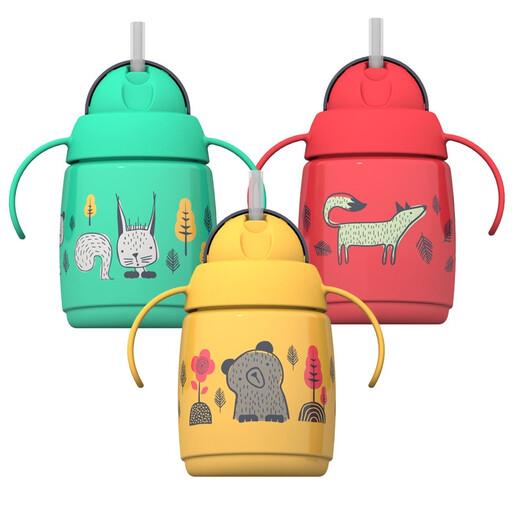
Why It Stands Out: This cup is engineered for the earliest stages of cup training. Its key feature is the weighted silicone straw, which allows your baby to drink from any angle without needing to tilt the cup perfectly. It also incorporates INTELLIVALVE anti-leak technology, designed to be completely shake-proof and spill-proof.
Pros:
Who is it for: Ideal for babies aged 6 months and older who are making their first transition from a bottle to a cup.
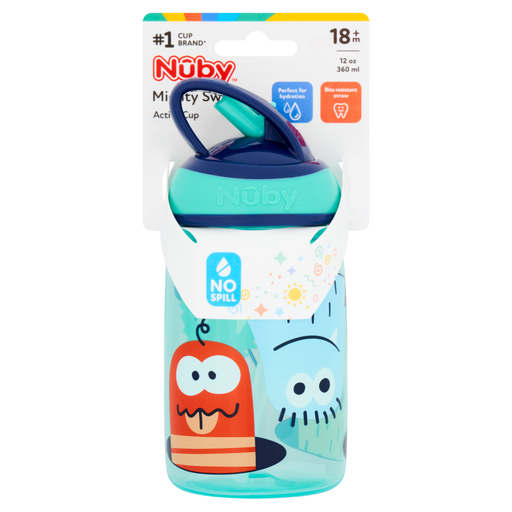
Why It Stands Out: As toddlers get older and more active, they need a cup that can keep up. The Nuby Mighty Swig is built for durability, featuring a bite-resistant hard spout that can withstand the attention of developing teeth. Its large 360ml capacity is great for keeping active children hydrated throughout the day.
Pros:
Who is it for: A great choice for active toddlers aged 18 months and up, particularly those who are prone to chewing on softer spouts.
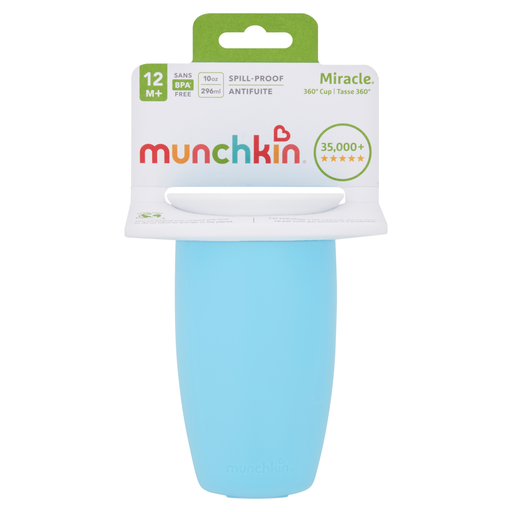
Why It Stands Out: The Munchkin Miracle 360 cup is a popular choice for good reason. Its spoutless design is recommended by many dentists because it supports normal muscle development in a child's mouth by mimicking open-cup drinking. The 360-degree edge allows sipping from any side, and the valve automatically seals when the child stops drinking, eliminating spills.
Pros:
Who is it for: Toddlers aged 12 months and older who are ready to learn how to drink from a regular cup without the mess.
The transition to a cup is a unique journey for every child. If the recommendations above aren't quite what you're looking for, or if you'd like to compare a wider range of styles and brands, there are many other excellent choices available.
Explore our full collection of baby cups to find the perfect fit for your little one's needs and preferences.
1. When should my toddler start using a training cup? Most health organisations suggest introducing a cup around 6 months of age, typically when you start introducing solid foods. Starting with a straw cup or a spoutless 360 cup can help them develop the necessary skills early on.
2. Are spoutless 360 cups better for toddlers' teeth? Many dentists and speech therapists favour spoutless cups. Because they require a child to sip from a rim rather than suck on a spout, they encourage a more mature swallowing pattern and support healthy development of the jaw and facial muscles.
3. How often should I clean my toddler's sippy cup? A toddler's cup should be cleaned after every use. Disassemble all parts—including valves and straws—and wash them thoroughly with warm, soapy water or place them on the top rack of a dishwasher if the manufacturer's instructions permit. This prevents the build-up of bacteria and mould.