Families avoiding added sugar
A no-added-sugar sauce offers a quick accompaniment, but the nutrition panel still shows total sugars. Compare sauces of the same type rather than relying on the front-of-pack wording alone.


Choose a no-added-sugar sauce if avoiding added sugar is your main concern, or cook plain pasta with a separately chosen sauce when you want to control the accompaniment. A standard sauce is another option, but compare the exact products: Tesco lists 4.5g sugars per 100g for its No Added Sugar Bolognese Pasta Sauce and 5.4g per 100g for its regular Bolognese. The claim does not mean sugar-free, and texture, salt and allergens still matter.
A no-added-sugar sauce offers a quick accompaniment, but the nutrition panel still shows total sugars. Compare sauces of the same type rather than relying on the front-of-pack wording alone.
A smooth or vegetable-containing sauce may fit a child who finds visible pieces difficult. Check its ingredients and nutrition separately; the format does not establish its sugar or salt content.
Check the pasta and sauce for relevant allergens, then follow the individual setting’s allergy arrangements. Ordinary wheat pasta is not suitable when gluten-free pasta is required.
For a toddler pasta dinner, decide whether your main need is avoiding added sugar, finding an acceptable texture or checking allergens before the meal is served or packed. Compare the sauce and pasta separately unless you are buying a prepared meal.
| Concern | What to check | Who this matters to |
|---|---|---|
| Added sugar | Compare total sugars per 100g on like-for-like sauces, then check the no-added-sugar claim and ingredients on the exact pack. | When dinner needs to be quick, I want a convenient sauce without sugar added during manufacture, while recognising that it can still contain sugars. Around 45% of consumers put avoiding added sugar first. |
| Texture and vegetables | Look for the stated texture and listed vegetables; check sugar and salt separately. | If visible pieces make the meal difficult, I need a sauce texture my child can manage and want to know which vegetables it contains. Around 33% of consumers put texture and vegetables first. |
| Allergens and packed lunches | Read both packs’ allergen information. Before packing food, check the nursery or school’s instructions. | Before serving or packing pasta, I need to know whether its ingredients meet my child’s requirements and the setting’s arrangements. Around 22% of consumers put allergen and policy checks first. |
Tomato sauce can still contain sugars. Tesco lists 4.5g sugars per 100g for its No Added Sugar Bolognese Pasta Sauce.
Compare total sugars per 100g on sauces of the same type, and read the claim and ingredients on the current pack.
A no-added-sugar claim does not tell you whether the texture suits your child or what the pasta and toppings contain.
Choose the sauce format alongside the rest of dinner, and check salt and relevant allergens independently.
Barilla lists durum wheat semolina in its Spaghetti N°5. A separate sauce’s gluten-free description does not change the pasta’s ingredients.
Check both packs when gluten must be avoided. For a packed lunch, also follow the individual setting’s allergy instructions.
Those descriptions address texture or ingredients; they do not establish that a sauce has no added sugar or a particular salt content.
Use the description to narrow down a suitable format, then read the nutrition panel and ingredient list.
These product lines offer different sauce or pasta formats to consider. Compare the exact pack you intend to use rather than applying one variant’s claims to an entire brand.
Its No Added Sugar and regular Bolognese pasta sauces provide a direct comparison between two own-label variants.
Its range includes a no-added-sugar pasta sauce and a separately described Smooth Hidden Vegetable Bolognese sauce.
Its No Added Sugar Tomato & Hidden Veg Pasta Sauce combines a smooth tomato format with listed red pepper, carrots and onions.
Barilla provides an example of choosing dried pasta separately from its sauce.
Its Tomato and Basil Pasta Sauce is an option to consider when the sauce’s ingredients and flavour are the starting point.
These are prepared pasta meals for children, rather than jars of sauce to add to separately cooked pasta. Compare their stated age stages and textures with your child’s needs, and check the exact pack for ingredients and allergens.
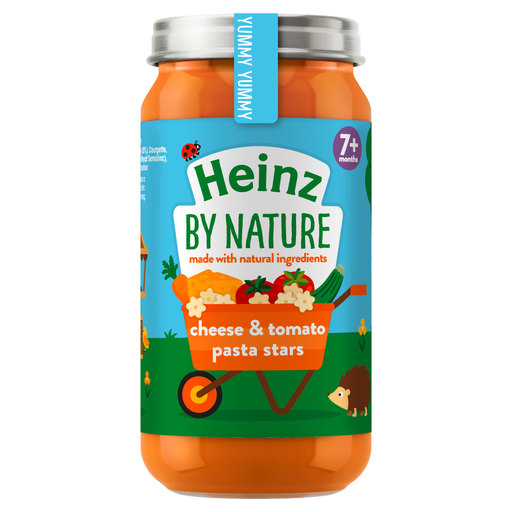 No image available
A prepared pasta-stars meal to consider when a softer texture suits your child. The listing describes it as having no added sugar; that is not a sugar-free claim. Check the 7+ months stage and the pack’s wheat and milk information before serving or packing it.
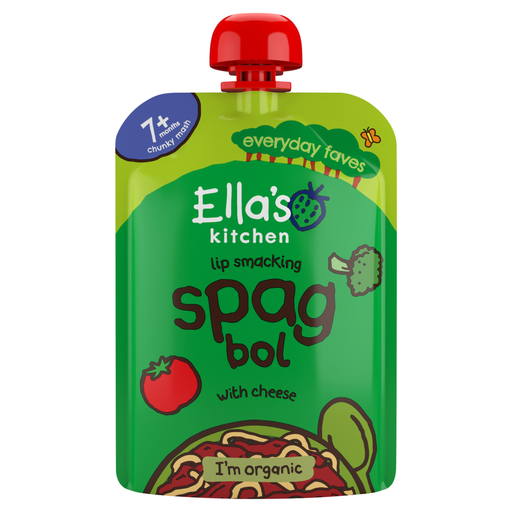 No image available
This prepared spaghetti meal is described for children moving on to a more textured meal. Its listing states no added sugar, while the Stage 2 and 7+ months labels need to be considered against your child’s feeding stage. It contains wheat and gluten; check the exact pack before serving or packing it.
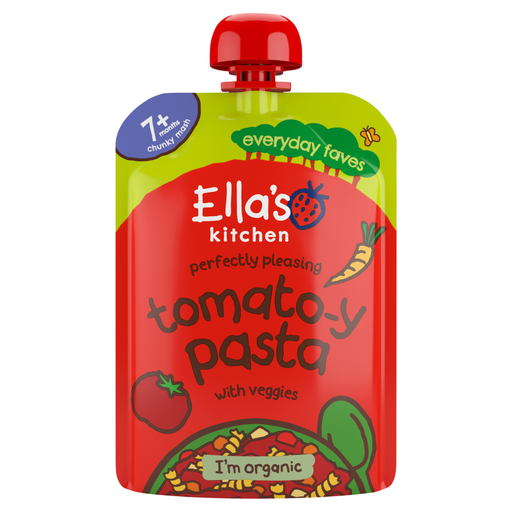 No image available
A prepared tomato pasta meal to consider when a smoother texture with soft pieces is suitable. The listing states no added sugar and identifies a 7+ months stage. Check the pack’s wheat and egg information and its directions for your child’s feeding stage.
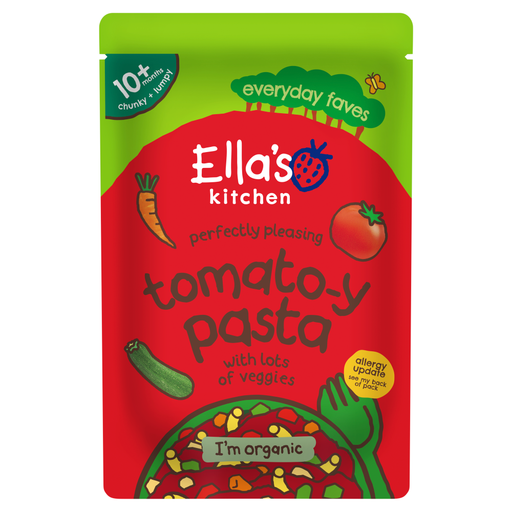 No image available
This prepared pasta and vegetable meal is described with soft chunks for a 10+ months stage. Its listing describes the sugars as naturally occurring; check total sugars on the pack rather than treating that wording as sugar-free. It contains wheat and egg and may contain soya and mustard, so read the current allergen declaration.
 No image available
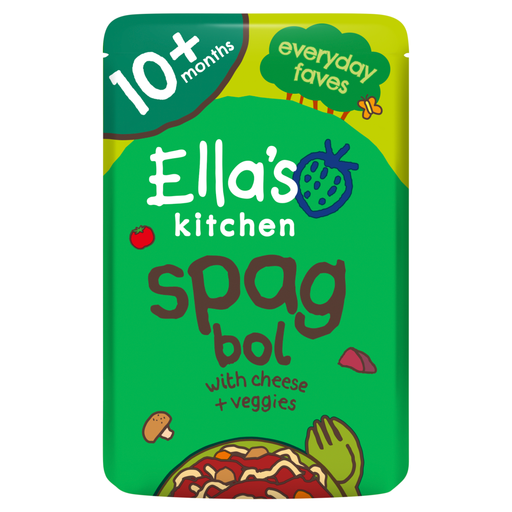
A prepared, textured spaghetti meal to consider for a child at the stated 10+ months stage. The listing identifies it as Stage 3 and says no added sugar; neither description establishes suitability for every child. It contains wheat and gluten, so check the exact pack and any setting-specific packing instructions.
No. A no-added-sugar claim does not mean the product contains no sugars. Tesco lists 4.5g sugars per 100g for its No Added Sugar Bolognese Pasta Sauce, so read the total-sugars figure as well as the claim.
Choose one when avoiding added sugar is your main priority, but assess the whole meal too. A suitable texture, the sauce’s salt and ingredients, and any allergens in the pasta can also change which product you choose.
No. Barilla lists durum wheat semolina in its Spaghetti N°5, and the Food Standards Agency identifies wheat as a gluten-containing cereal found in pasta. Check the exact pasta and sauce packs for the child’s requirements.
Check both packs’ allergen information and the individual school’s instructions for food brought from home. GOV.UK’s school food allergy guidance says schools must publish an allergy safety policy; ask a nursery about its own arrangements.
Follow the storage and use-after-opening instructions on the exact jar. Do not apply one sauce’s instructions to another brand or variant.