
24/7 Customer Support

Free returns

Same-day & Next-day Delivery

Quality Guaranteed

Unlock Your Welcome Offers: FREE Delivery | Up to 80% OFF | Free 30-day JoyPlus trial
Download the APP
Shopping for tofu and bean curd in the UK can be more complicated than expected. Product names often overlap, while texture, storage and ingredients vary considerably. A pack labelled tofu may be a plain soy product, a seasoned pouch, a fish-based hot pot item or a sheet designed for rehydration.
The key is to look beyond front-of-pack wording and match the product with the dish you plan to cook.
“Fish tofu” and “seafood tofu” are usually prepared surimi products rather than traditional soybean curd. They may contain fish, egg, wheat, shellfish or dairy. They are designed for hot pot, soups and stir-fries, but are not suitable for vegans or vegetarians.
Read the ingredients list carefully, particularly when buying for a plant-based household or anyone with food allergies.
Soft or silken tofu can break apart in a stir-fry, while firm tofu may not provide the smooth texture needed for sauces, desserts or miso soup. Tofu skin and yuba also need different preparation: some products are ready to use, while dried tofu sheets and bean curd sticks require soaking.
Ambient tofu is convenient for cupboard storage, but it still needs refrigeration after opening. Frozen seafood tofu must remain at -18°C or below, while fresh yuba needs thawing and prompt use. Buying a larger pack without checking storage space or serving size can lead to waste.
Plain tofu may contain only water, soybeans and a firming agent, but processed tofu products can include wheat, egg, fish, crustaceans, milk, sulphites or flavour enhancers. In the UK, allergens should be emphasised on the label. Check the current packaging every time, as formulations can change.
Fermented bean curd commonly contains soy and may also contain wheat. It is a concentrated seasoning rather than a direct replacement for plain tofu. One listed fermented bean curd product provides 12g of salt per 100g, so use small portions in rice, porridge, marinades or braised dishes.
An ambient 300g tofu pack can be useful for cupboard stocking, particularly in smaller UK kitchens. Once opened, follow the stated refrigeration and consumption period. Dried products generally offer longer cupboard storage while unopened, but need advance soaking. Frozen rolls and seafood tofu are practical for hot pot gatherings, provided they are cooked thoroughly and not refrozen after thawing.

Why This Fits Their Persona: A practical starting point for UK shoppers who want plain tofu for several recipes without using fridge space before opening.
Its firm texture is specified for stir-frying, grilling and simmering, avoiding the common mismatch between delicate tofu and high-heat cooking.
Made with water, soybeans and a firming agent; 300g ambient pack with 6.5g protein per 100g.

Why This Fits Their Persona: Suits Japanese home cooks and shoppers who value a smooth texture for miso soup, dressings, dips and desserts.
The soft style is clearly positioned for blending and gentle heating, rather than being presented as an all-purpose frying tofu.
300g ambient Tetra Pak; contains soybeans and provides 5.7g protein per 100g.
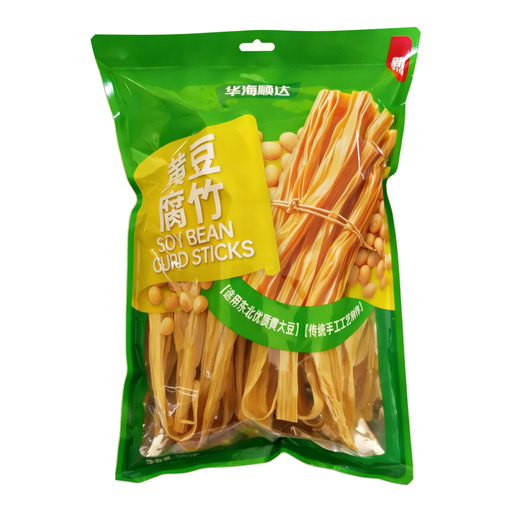
Why This Fits Their Persona: A larger cupboard-stable option for regular cooks preparing hot pot, braised dishes, cold salads and stir-fries.
The preparation time is stated clearly: soak in cold water for 6–8 hours, helping buyers plan rather than expect instant cooking.
500g pack; listed at 42.1g protein per 100g and designed to hold its shape after soaking.
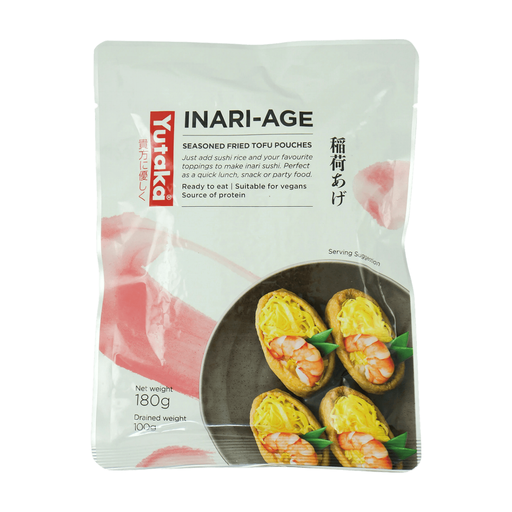
Why This Fits Their Persona: Suitable for packed lunches, bento boxes, parties and quick inari sushi without preparing fried tofu pouches from scratch.
It is a ready-to-use seasoned product, so there is no need to mistake it for plain tofu or allow time for marinating.
Contains 10 seasoned pockets; suitable for vegans according to the supplied product information.
We have compiled a complete, real-time list of products that fully satisfy these strict selection criteria and UK safety regulations.
For dried bean curd sticks, soak until flexible, then drain thoroughly before adding them to broth or a braise. Tofu skin sheets may need warm-water soaking, while puffed tofu skin can be added directly to boiling hot pot broth according to the pack instructions.
Keep plain tofu separate from strongly flavoured ingredients until the cooking stage if you want its soy taste to remain noticeable. For stir-fries, drying firm tofu helps reduce splattering and improves contact with the pan. For soft tofu, use a spoon or wide spatula to prevent breakage.
Fermented bean curd is normally used in small amounts to add saltiness and savoury depth. Season gradually, especially when the rest of the dish includes soy sauce, stock cubes or other salty ingredients.
In everyday English, bean curd and tofu usually refer to the same basic soybean product. However, “bean curd” can also describe related foods such as fermented bean curd, tofu skin, bean curd sticks and seasoned fried tofu pockets. The ingredients and cooking methods are not interchangeable in every recipe.
Choose firm tofu because it is more likely to retain its shape when turned in a wok or frying pan. Drain and pat it dry before cooking. Soft or silken tofu is more suitable for soups, sauces and blended dishes.
The period varies by product. For example, the supplied firm ambient tofu instructions state refrigeration and consumption within one day after opening, while the soft version states use within two days. Always follow the pack’s storage guidance rather than relying on a general shelf-life assumption.