
24/7 Customer Support

Free returns

Same-day & Next-day Delivery

Quality Guaranteed

Unlock Your Welcome Offers: FREE Delivery | Up to 80% OFF | Free 30-day JoyPlus trial
Download the APP
Navigating the world of tofu & bean curd can feel overwhelming. You might be looking for a reliable plant-based protein for your weekly meals, a specific ingredient for a hot pot night, or an authentic Asian tofu snack. Yet, a simple shopping trip can easily go wrong. Many of us have returned home with a block of tofu only to have it disintegrate in the pan or taste completely wrong for the recipe.
As the Joybuy Product Recommendation Officer, my role is to help you sidestep these common issues. Before you add an item to your basket, let's look at the frequent pitfalls that lead to disappointing meals and wasted money.
Understanding a few core parameters can ensure you always choose the right product for your culinary needs.
To make the right choice every time, focus on these three non-negotiable factors. They are far more important than flashy packaging or marketing claims.
The texture of bean curd dictates its use. Products are generally categorised by their water content, which determines their firmness.
How a tofu product is stored tells you a lot about its convenience and preparation.
Finally, check if the product is plain or seasoned.
Based on these practical criteria, here are a few recommendations matched to different needs and lifestyles across the UK.
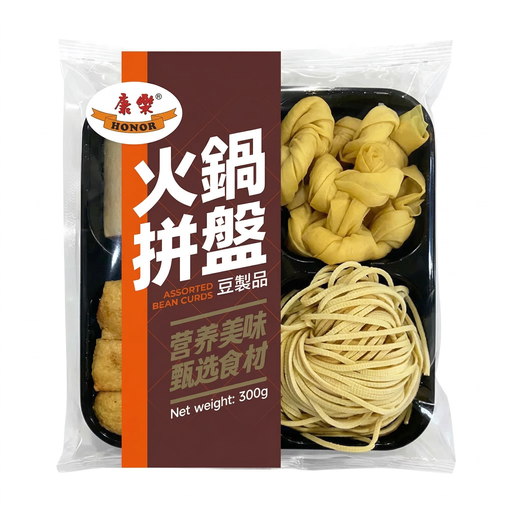
Why This Fits Their Persona: For anyone hosting a tofu for hot pot night, this platter removes the guesswork. It provides a curated mix of textures, from chewy tofu knots to absorbent fried tofu balls, ensuring a varied and satisfying experience for guests.
It completely sidesteps the "Texture Trap" by offering an assortment of bean curd forms specifically chosen for their ability to hold up in and absorb simmering broth.
Offers four different types of Chinese bean curd (knots, balls, slices and shreds) in one convenient frozen package.
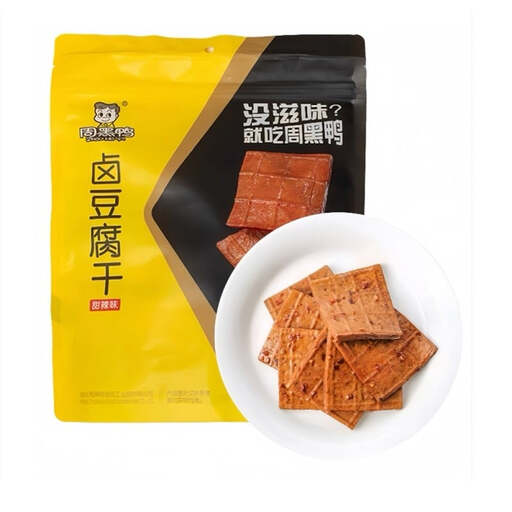
Why This Fits Their Persona: For busy individuals needing a quick and flavourful plant-based protein snack. The individual sachets are perfect for a desk drawer or gym bag, providing a satisfying bite without any preparation.
This is a purpose-built snack, eliminating the "Flavour Mismatch" pitfall. Its signature sweet and spicy taste is the main feature, not a bug, making it an ideal ready-to-eat choice.
Ready to eat with a firm, chewy texture. The individual packaging maintains freshness and is convenient for portion control.

Why This Fits Their Persona: Perfect for those who plan their meals and value a well-stocked pantry. This firm tofu doesn't require refrigeration before opening, so you can always have a reliable protein source on hand for stir-fries, curries or scrambles.
Its firm texture is robust enough for most cooking methods, avoiding the "Texture Trap." As a plain tofu, it also prevents any "Flavour Mismatch," giving the cook full creative control.
Ambient storage saves fridge space and ensures long-term availability. The dense, firm texture holds its shape well during cooking.
We have compiled a complete, real-time list of products that fully satisfy these strict selection criteria and UK safety regulations.
In the UK, the terms "tofu" and "bean curd" are used interchangeably. Tofu is the Japanese name for the food, which has become common globally. Bean curd is the direct English translation of the Chinese name, "doufu." Both refer to the same product made by coagulating soy milk and pressing the resulting curds into blocks of varying softness.
The key is to remove excess water. For firm or extra-firm tofu, place the block on a plate lined with paper towels, add more paper towels on top and place something heavy (like a few books or a cast-iron pan) on it for at least 30 minutes. This process, known as pressing, creates a firmer texture that is less likely to crumble. Using a firm or extra-firm variety is essential for methods like stir-frying.
Most commercially packaged tofu sold in the UK is safe to eat without cooking, as it has already been cooked during the manufacturing process. Silken and soft tofus are often consumed "raw" in cold dishes, salads or smoothies. While firm tofu is also safe to eat uncooked, its flavour and texture are greatly improved by pressing and cooking. Always check the packaging for specific usage instructions.