
24/7 Customer Support

Free returns

Same-day & Next-day Delivery

Quality Guaranteed

Unlock Your Welcome Offers: FREE Delivery | Up to 80% OFF | Free 30-day JoyPlus trial
Download the APP
Navigating the world of tofu and beancurd can be surprisingly complex. Whether you're an experienced home cook aiming to perfect a traditional hot pot, a vegan looking for satisfying plant-based protein snacks or simply curious about Asian cuisine, the sheer variety can be overwhelming. It's easy to end up with a product that doesn't suit your recipe or taste, leading to a disappointing meal and wasted money.
As the Joybuy Product Recommendation Officer, my role is to help you sidestep these common issues. We'll break down the key differences in these versatile soy products, helping you choose with confidence. Let's look at the most frequent pitfalls UK shoppers encounter and how to avoid them.
To ensure you get the right product every time, focus on these three essential characteristics.
The way beancurd is processed fundamentally defines its texture and best use.
Always check the usage instructions on the packaging. This simple step prevents major kitchen mishaps.
Don't just rely on the name; scan the ingredient list for clues about the flavour. The presence of Sichuan pepper suggests a numbing "mala" spice, while sugar and soy sauce high on the list point to a sweeter, savoury taste. For those seeking authentic Chinese tofu snacks, brands like Zhou Hei Ya or Shen Wan San offer distinct regional flavour profiles that are hard to replicate.
To make things easier, we've matched some popular products to the people they suit most.
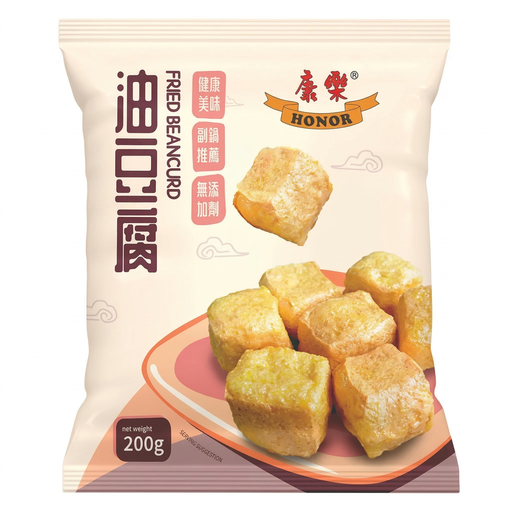
Why This Fits Their Persona: This user hosts hot pot nights at home and needs ingredients that perform reliably. These fried beancurd puffs are specifically designed to soak up rich, flavourful broths without falling apart, delivering that satisfying, juicy bite every time.
It directly solves the "texture mismatch" pitfall. Its honeycomb interior is engineered for absorption and holds its shape during simmering, unlike softer tofu types.
Its tender, elastic texture and rich soybean aroma make it a versatile staple not just for hot pot, but also for braised dishes and stir-fries. Comes frozen for easy storage.
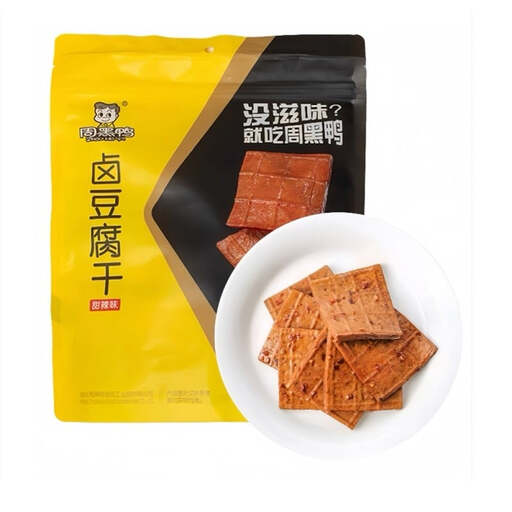
Why This Fits Their Persona: This person needs a convenient, high-protein snack for their work lunch or post-gym fuel. They appreciate bold, authentic flavours and want something more interesting than a plain protein bar.
It avoids both the "ready-to-eat misconception" and the "flavour gamble". It is explicitly a ready-to-eat snack, and its signature sweet-spicy flavour is well-known and consistent.
Individually wrapped pieces ensure freshness and portion control. The firm, chewy texture is satisfying, and the product delivers a high protein content (17.2g per 100g).
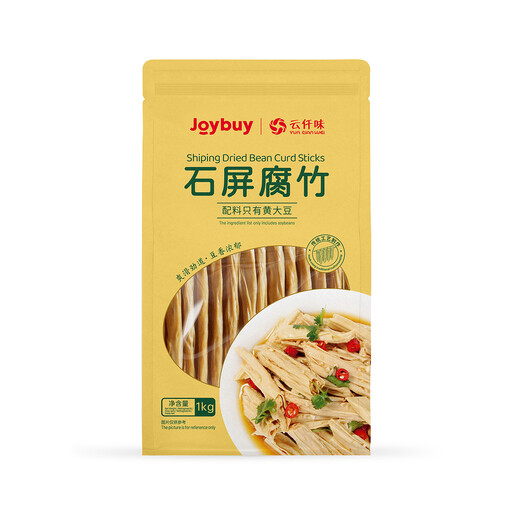
Why This Fits Their Persona: This cook values tradition and quality ingredients. They prepare a wide range of Chinese dishes and need a versatile, high-quality fuzhu (bean curd stick) that holds up to various cooking methods, from braising to cold salads.
The product's simple, pure ingredient list (only soybeans) and clear instructions for soaking prevent any confusion. Its quality ensures it won't break down, avoiding the texture trap.
Extremely high in protein (41.3g per 100g) with a resilient, chewy texture. The large 1kg value pack is economical for those who use it frequently.
We have compiled a complete, real-time list of products that fully satisfy these strict selection criteria and UK safety regulations.
For the best texture, soak the dried sticks in a large bowl of warm (not boiling) water for 2 to 4 hours, or until they are fully pliable and have no hard parts. Some people prefer soaking them overnight in cold water in the refrigerator for a more tender result. Once rehydrated, drain them and gently squeeze out excess water before cutting and adding to your dish.
While both are fried soy products, they serve different purposes. Chinese fried beancurd puffs are typically unseasoned and have a very porous, sponge-like texture, making them perfect for absorbing savoury broths in hot pots and stews. Japanese inari age, like the Yamato Fried Bean Curd, are simmered in a sweet and savoury mixture of soy sauce, mirin and sugar. They are sold as seasoned pockets, ready to be stuffed with sushi rice to make inari sushi.
Yes, freezing is a popular technique used to alter the texture of firm or extra-firm tofu. When frozen, the water inside the tofu expands and forms ice crystals. After thawing, the water can be pressed out, leaving behind a chewier, spongier and more porous texture that is excellent at absorbing marinades. This method is not suitable for silken or soft tofu.