
24/7 Customer Support

Free returns

Same-day & Next-day Delivery

Quality Guaranteed

Unlock Your Welcome Offers: FREE Delivery | Up to 80% OFF | Free 30-day JoyPlus trial
Download the APP
Choosing tofu and beancurd products online can be confusing. Names such as Asian tofu, beancurd, tofu skin, bean curd and seafood tofu describe a wide range of textures, ingredients and cooking methods rather than one interchangeable food.
The main buying mistakes usually come from three assumptions:
Checking the format, ingredients, allergens and storage instructions before ordering helps prevent waste and makes it easier to choose products that suit your cooking routine.
Texture determines how a product behaves in a recipe.
A product described as “tofu” is therefore not necessarily a substitute for every other type. Consider the final dish first: delicate tofu for soups and sauces, firm tofu for frying and porous or dried formats for hot pot ingredients.
Read the full ingredient list rather than relying only on front-of-pack wording. Plain tofu may contain water, soybeans and a firming agent, while flavoured or prepared products can include oil, sugar, wheat, sesame, egg, fish, mushroom seasoning or flavour enhancers.
For example, First Choice Sweetcorn Beancurd Roll contains fish paste and soybean skin, so it is not vegetarian or vegan despite its beancurd-style name. First Choice Seafood Tofu Curds (Seaweed) contains fish, soya and egg. These are suitable for shoppers seeking seafood-style hot pot ingredients, but not for plant-based households.
Those following a vegan or vegetarian diet should also check whether a prepared tofu snack contains chicken flavouring or other animal-derived seasoning. Allergens should be reviewed carefully, particularly soybeans, sesame, egg, fish and cereals containing gluten. Anyone managing an allergy should use the packaging information and contact the responsible business if clarification is needed.
Storage affects convenience and food safety.
Check the net quantity as well. A 50g pack of tofu skin may suit one hot pot meal, while a 300g block or twin pack is more practical for family cooking and batch preparation.

Why This Fits Their Persona: A pantry-friendly firm tofu for shoppers building a plant-based kitchen without needing constant fridge space before opening.
The label clearly identifies it as ambient before opening, helping avoid ordering frozen tofu for a cupboard or chilled tofu for a long-term pantry supply.
Contains water, soybeans and firming agent; provides 6.5g protein per 100g and suits salads, stir-fries, grilling and soups.

Why This Fits Their Persona: Suits cooks who value a smooth Japanese-style texture and want one product for savoury dishes, sauces and desserts.
Its soft silken format is clearly specified, so buyers are less likely to expect a block that can be grilled or aggressively stir-fried.
Long-life Tetra Pak packaging; ready to eat; contains 5.7g protein per 100g and less than 0.01g salt per 100g.
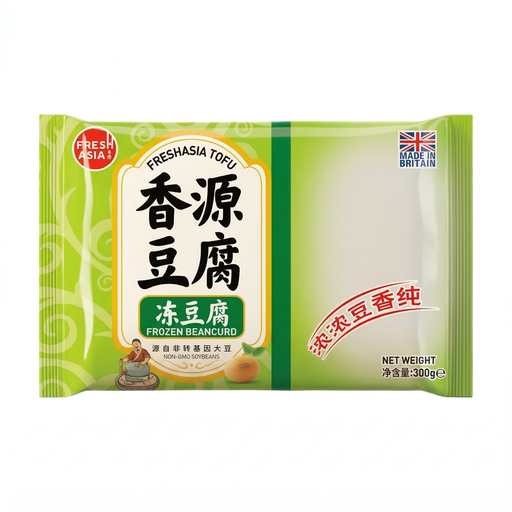
Why This Fits Their Persona: A practical choice for regular hot pot hosts and home cooks who want porous beancurd for soups, stews and braised dishes.
The frozen, sponge-like format sets the correct expectation for cooking and avoids confusing it with ready-to-eat or ambient tofu.
Contains soybeans, water and calcium sulphate; provides 10g protein per 100g and can be added to simmering dishes.
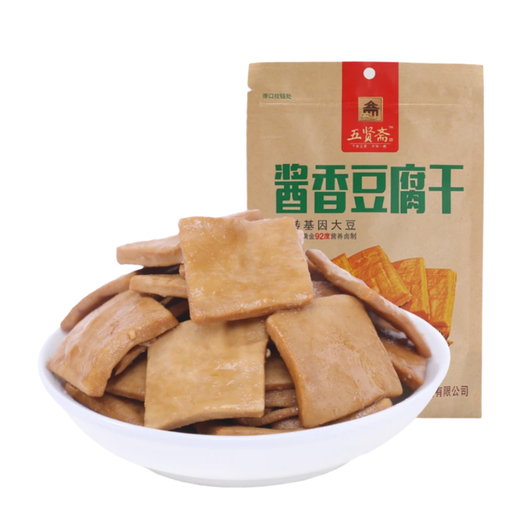
Why This Fits Their Persona: Individually vacuum-packed portions suit commuters, students and households wanting ready-to-eat tofu snacks without cooking.
The product is explicitly ready to eat, while its ingredient and allergen information makes the presence of wheat and soy clear.
Provides 18g protein per 100g and comes as approximately seven to eight packs; note the listed 3.5g salt per 100g.
For a varied Asian tofu selection, consider FRESHASIA Chiba Tofu, a frozen product with a layered, firm texture for hot pot and stir-fries. FRESHASIA Fried Beancurd and Honor Fried Beancurd are designed to absorb broth, while Northern Style Dried Tofu provides a chewy texture after thawing.
For Chinese dishes, tofu skin can be rehydrated and used in hot pot, cold dishes or stir-fries. The 120g tofu skin product lists 75% soybeans, while the 50g puffed option is aimed at broth-based recipes. Always compare salt and fat values, as dried and fried formats are more concentrated than plain tofu.
Seafood tofu, sweetcorn beancurd rolls and filled tofu are useful for mixed hot pots, but they should be treated as separate from vegetarian tofu and vegan protein options because their ingredients may include fish or egg.
We have compiled a complete, real-time list of products that fully satisfy these strict selection criteria and UK safety regulations.
Plain firm or silken tofu made from soybeans, water and a firming agent is generally suitable for vegans, but check the product label. Seafood tofu, flavoured bean curd and prepared snacks may contain fish, egg, chicken flavouring or other non-vegan ingredients.
Follow the pack instructions. Many frozen tofu and beancurd products can be placed directly into simmering hot pot broth or soup without thawing. Others should be thawed in the fridge before stir-frying. Do not refreeze a product after it has thawed.
Storage varies by product. Ambient tofu should usually be refrigerated after opening and consumed within the stated period, which may be one or two days. Ready-to-eat products should be resealed and refrigerated if the label permits. Always follow the packaging date and storage instructions rather than assuming every tofu product has the same shelf life.