
24/7 Customer Support

Free returns

Same-day & Next-day Delivery

Quality Guaranteed

Unlock Your Welcome Offers: FREE Delivery | Up to 80% OFF | Free 30-day JoyPlus trial
Download the APP
Navigating the world of tofu and bean curd can be surprisingly complex. For UK home cooks exploring East Asian cuisine or seeking new plant-based proteins, the sheer variety can be overwhelming. It's easy to end up with a product that doesn't suit your recipe, leading to disappointing meals and wasted ingredients. As a Joybuy Product Recommendation Officer, my role is to help you sidestep these common issues.
Many shoppers fall into a few predictable traps. First is the "ready-to-eat" gamble; assuming all packaged tofu is a snack, when many types require thorough cooking. The second is the texture trap, where a delicate, spongy tofu puff is bought for a vigorous stir-fry, only to disintegrate in the pan. Finally, there's the flavour faux pas—unwittingly adding a sweet, seasoned Japanese bean curd to a savoury Chinese hot pot, creating a confusing clash of tastes. Understanding a few key details can prevent these mishaps entirely.
To ensure you select the right product every time, focus on these three practical characteristics. They are far more important than flashy packaging or marketing claims.
The physical form of the bean curd dictates its use. Don't treat them as interchangeable.
Check the packaging to understand how the product is meant to be used. This is a critical step.
Different cultures have perfected different uses for bean curd. A product's origin often hints at its intended purpose. For example, the light, unseasoned fried beancurd cubes are a classic addition to Chinese hot pot, while the sweet pockets of inari age are a cornerstone of Japanese bento boxes. Understanding this context helps you create more authentic-tasting meals.
Based on these practical selection criteria, here are a few products matched to specific needs and lifestyles.

Why This Fits Their Persona: This platter is ideal for anyone hosting a hot pot night or who enjoys variety. It removes the guesswork by providing four different types of bean curd—frozen tofu, bean curd sheets, tofu puffs and fried rolls—all of which are perfect for simmering in broth.
It directly solves the texture trap. Instead of buying one large bag of a single type, you get a curated selection with varied textures specifically chosen for their ability to absorb flavour in a hot pot.
All-in-one convenience for a complete hot pot experience. Includes four distinct textures for a more interesting meal.
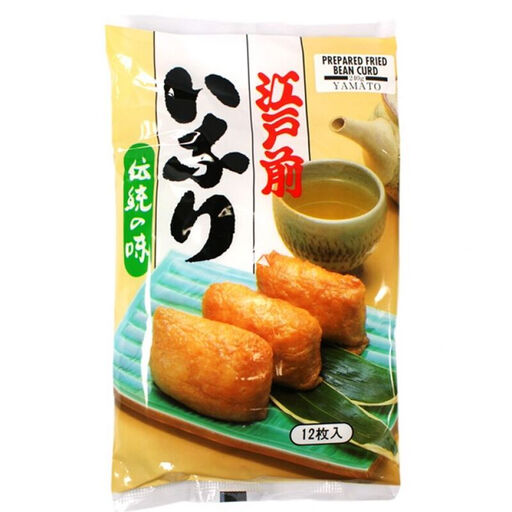
Why This Fits Their Persona: For those looking to make authentic inari sushi at home, this is the specific ingredient required. These are soft, fried tofu pockets simmered in a sweet soy-based sauce, ready to be stuffed with sushi rice.
This product prevents the flavour faux pas. Its distinct sweet and savoury profile is exactly what is needed for inari sushi, ensuring you don't accidentally use an unseasoned or spicy tofu for a delicate Japanese dish.
Authentic Japanese ingredient that simplifies sushi preparation. The subtle sweetness and soft texture are characteristic of traditional inari.

Why This Fits Their Persona: For those seeking a savoury, high-protein snack for their lunchbox, post-gym fuel or desk drawer. This Sichuan-style dried tofu is firm, chewy, and comes in a convenient, vacuum-sealed pouch that requires no preparation.
It completely avoids the "ready-to-eat" gamble. The packaging and product type make it clear this is a snack to be eaten directly, not an ingredient that needs to be cooked into a larger meal.
High in plant-based protein (21g per 100g) and offers a satisfyingly chewy texture. The individual pouch is convenient for on-the-go consumption.
We have compiled a complete, real-time list of products that fully satisfy these strict selection criteria and UK safety regulations.
1. Can you eat all types of fried tofu straight from the packet? No, it is essential to check the packaging. Products clearly marketed as a spicy tofu snack or "ready-to-eat" are safe to consume directly. However, many other products, such as frozen tofu puffs or fried bean curd cubes intended for cooking, must be heated thoroughly in a soup, stew or stir-fry before eating.
2. What is the main difference between Chinese and Japanese fried tofu? The primary difference often lies in the seasoning. Japanese fried bean curd, such as inari age, is typically simmered in a sweet soy and mirin-based sauce, giving it a distinct sweet-savoury flavour perfect for sushi. In contrast, most Chinese tofu products like fried cubes or sheets are left unseasoned. They have a neutral taste and are designed to act like a sponge, absorbing the savoury flavours of the broths and sauces they are cooked in.
3. How do I prevent tofu puffs from falling apart in a hot pot? The key is not to overcook them. Tofu puffs are pre-fried and only need a short time in the simmering broth to heat through and absorb the flavour. Add them to the hot pot for just one to two minutes before you plan to eat them. This will ensure they become soft and juicy without disintegrating.