
24/7 Customer Support

Free returns

Same-day & Next-day Delivery

Quality Guaranteed

Unlock Your Welcome Offers: FREE Delivery | Up to 80% OFF | Free 30-day JoyPlus trial
Download the APP
Choosing tofu cat litter can reduce dust, simplify daily scooping and offer a plant-based alternative to conventional mineral litter. However, not every product labelled “natural”, “flushable” or “odour control” will suit every cat or household.
As the Joybuy Product Recommendation Officer, I focus on practical product information rather than promotional wording. Here are the details worth checking before you buy, followed by recommendations for different UK cat-owner needs.
Tofu, cassava and tapioca products are generally made from plant materials, but some formulas combine them with bentonite, silica, activated carbon or other mineral ingredients. This can affect whether the litter is biodegradable, how it clumps and whether it should be flushed.
Read the ingredients carefully. A tofu and cassava cat litter may offer a useful balance of clumping and odour control, while a tapioca blend may contain both plant and mineral components.
Water-soluble tofu litter may be suitable for flushing in small quantities, but household plumbing, septic systems and local wastewater guidance vary. Even products described as flushable should be checked against the packaging instructions and your home’s plumbing arrangements.
Never flush large amounts of litter at once. Some plant-based products, such as certain tapioca formulas, specifically advise disposal in a sealed bag rather than flushing.
Terms such as 99% dust-free, “virtually dust-free” and “nearly dust-free” describe a reduction in dust, not an absolute absence. Fine particles can still appear when a bag is poured, pellets break down or clumps are scooped.
For cats or owners sensitive to dust or fragrance, choose a low-dust or dust-free cat litter with an unscented formula where possible, and pour slowly in a well-ventilated area.
Fast-clumping cat litter should form a firm mass quickly after absorbing moisture. This helps prevent urine from spreading across the tray or sticking to the base. Look for clear instructions about daily scooping, recommended litter depth and whether the product is designed to resist crumbling.
A tray generally needs enough litter to form a stable clump. Several products listed here recommend a depth of approximately 3–5cm, while others advise 2–3 inches. Follow the instructions supplied with your chosen litter and adjust for your cat’s habits.
Odour-control cat litter may use baking soda, activated carbon, enzymes, herbal fibres or botanical ingredients. These additions can affect scent, texture and disposal requirements.
If your cat or household dislikes fragrance, select an unscented cat litter. Scented products, including green tea or creamy-scented tofu litter, may be preferable for owners who want a noticeable fresh smell, but introduce them gradually because some cats avoid strongly fragranced trays.
Particle size affects paw feel, tracking and clumping. Fine 1.5–2mm pellets may be comfortable for some cats and can reduce claw snagging, while mixed-size particles may combine absorption with more stable clumps.
A low-tracking cat litter can still be carried out of the tray on paws. A high-sided tray, litter mat and regular sweeping will usually make a more noticeable difference than pellet size alone.
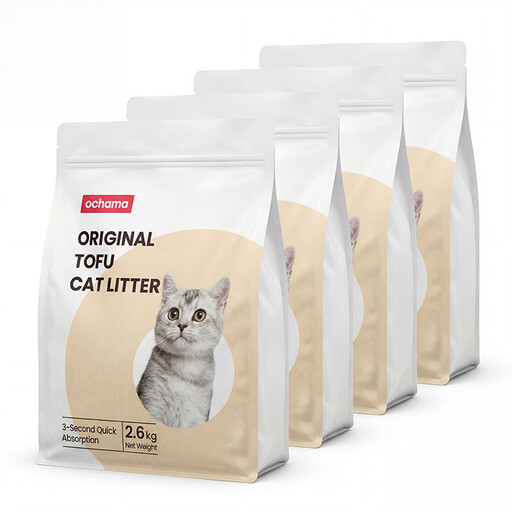
Why This Fits Their Persona: The four-pack, offering 10.4kg in total, is practical for owners wanting to reduce frequent reordering and trial a plant-based litter across several weeks.
Its listed specifications identify 2mm granules, daily scooping and gradual transition guidance, rather than relying only on broad “natural” wording.
Fast, firm clumping; water-soluble clumps; 10.4kg multipack for regular use.
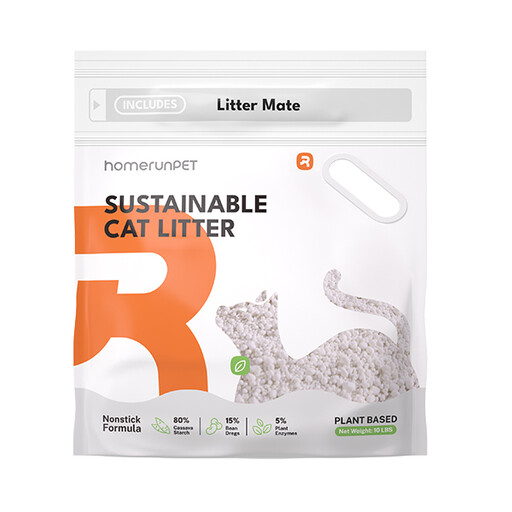
Why This Fits Their Persona: Suitable for owners prioritising a detailed particle design and low-dust handling experience over a basic single-material pellet.
The product information states a 99.9% dust-free specification and clearly warns that it should not be flushed, avoiding an unclear disposal expectation.
80% tapioca starch formula; mixed 5mm, 3mm and 1mm particles; non-stick clumps.
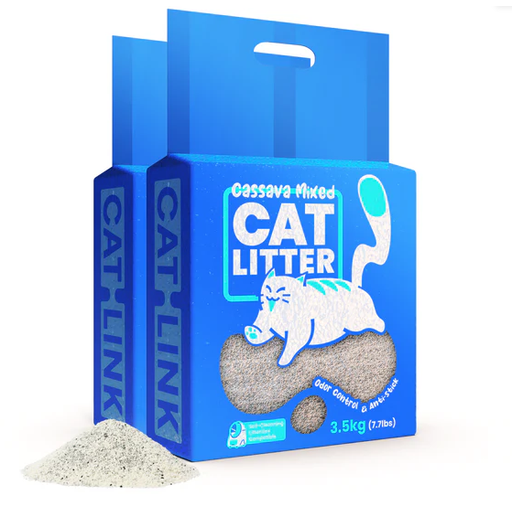
Why This Fits Their Persona: The 2-pack and 4-pack options are convenient for multi-cat homes where trays require frequent topping up and daily clump removal.
The ingredients are listed as a blend containing bentonite, cassava, activated carbon, baking soda and silica gel particles, so buyers can assess it accurately rather than assuming it is pure tofu.
Listed 2-second clumping; unscented formula; baking soda and activated carbon for odour management.
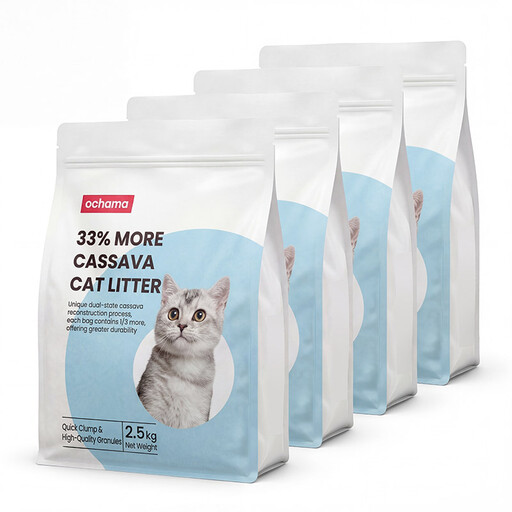
Why This Fits Their Persona: This multipack is designed for owners seeking an unscented, plant-based option with minimal fine powder and no added flavour or colour.
Its specification identifies tapioca starch, corn starch, herbal fibre, guar gum and baking soda, while also stating that there is no added fragrance.
10kg total pack; nearly dust-free texture; non-sticky clumping for easier scooping.
We have compiled a complete, real-time list of products that fully satisfy these strict selection criteria and UK safety regulations.
When changing litter, mix a small amount of the new product with the existing litter. Gradually increase the proportion over several days so your cat can adjust to the new texture and scent.
Scoop clumps and solid waste daily, top up to the recommended depth and keep unused litter sealed in a cool, dry place. Moisture can reduce clumping performance. Empty and wash the tray regularly; the replacement interval depends on the number of cats, tray size and how consistently waste is removed.
Some tofu litter is water-soluble and labelled flushable, but this does not guarantee suitability for every UK toilet, drainage system or septic tank. Flush only small quantities where the product instructions allow it, and check local guidance. When uncertain, dispose of used litter in a sealed bag.
A pack’s lifespan depends on pellet depth, tray size, number of cats and cleaning frequency. A single-cat household may use less than a multi-cat home, while larger multipacks reduce how often you need to reorder. Daily scooping and topping up can help avoid replacing clean litter unnecessarily.
Unscented litter avoids added fragrance, which may suit cats or owners that dislike scented products. However, cats have individual preferences. Introduce any new litter gradually, observe whether your cat continues using the tray normally and keep the tray in a quiet, accessible location.