
24/7 Customer Support

Free returns

Same-day & Next-day Delivery

Quality Guaranteed

Unlock Your Welcome Offers: FREE Delivery | Up to 80% OFF | Free 30-day JoyPlus trial
Download the APP
Tofu skin is a versatile Chinese cooking ingredient, but choosing the right format can be less straightforward than it appears. The terms yuba, bean curd skin, dried tofu skin and dried bean curd sheets may describe products with very different textures, preparation times and storage needs.
A pack that looks suitable for hot pot may become too soft in a soup, while a large bulk pack may offer poor value if you only cook occasionally. Before buying, check three common traps: confusing product formats, overlooking sulphites or other additives, and comparing nutrition figures without considering whether they refer to the dry or ready-to-eat product.
Tofu skin sheets, tofu skin strips and dried tofu sticks are made from soybeans, but their shape and processing affect how they cook.
The most suitable option depends on the dish rather than on a general claim about quality.
A high soybean percentage can help you understand the composition, but it does not by itself guarantee a particular texture or cooking result. Some products contain only soybeans and water, while others include starch, alcohol, salt, acidity regulators or preservatives.
For example, one 200g product lists 90% soy, water, liquor and sodium bisulphite. Another yuba product lists at least 85% soybeans, edible corn starch and sulphites. If you prefer a short ingredient list, compare the full label rather than relying on front-of-pack descriptions.
A 1kg pack can suit frequent home cooks, vegetarian households or hot pot gatherings, but it may be unnecessary for occasional use. Dried products are convenient because they can be stored in a cool, dry place, but opened packs should be sealed to reduce exposure to moisture.
Fresh and frozen options have different requirements. Fresh bean curd sticks may need refrigeration at 0–4°C, while frozen tofu skin should remain at −18°C or below and must not be refrozen after thawing. Always follow the storage information on the actual packaging.
Preparation instructions provide a practical indication of thickness and texture. Thin dried sheets may soften in cold or warm water within 20–30 minutes, while dried tofu sticks can require 2–3 hours. Some round yuba products recommend 30–60 minutes in warm water.
Avoid boiling dried tofu skin before it has softened, as this can leave a firm centre or cause uneven cooking. After soaking, drain and rinse where the label advises, then cook thoroughly.
Soybeans are a legally recognised allergen in the UK, so products containing soy should be checked carefully if you or someone in your household has an allergy. Some products also contain sulphites, which must be declared when present above relevant labelling thresholds.
A simple ingredient list may include only soybeans and water. Other formulas may contain preservatives such as E222, E223 or E221, salt, starch or acidity regulators. This does not automatically make a product unsuitable, but it is important information for shoppers following a particular diet or avoiding certain ingredients.
Many dried soy products appear high in calories and protein per 100g because the figures relate to the concentrated, dry product. For instance, the listed products provide approximately 38–46.9g of protein per 100g, depending on the formula. Fresh products contain more water and may show a lower figure, such as 15–17.8g per 100g.
Use these figures to compare similar formats. Do not compare a dry tofu skin directly with a fresh product without recognising that their water content is different.
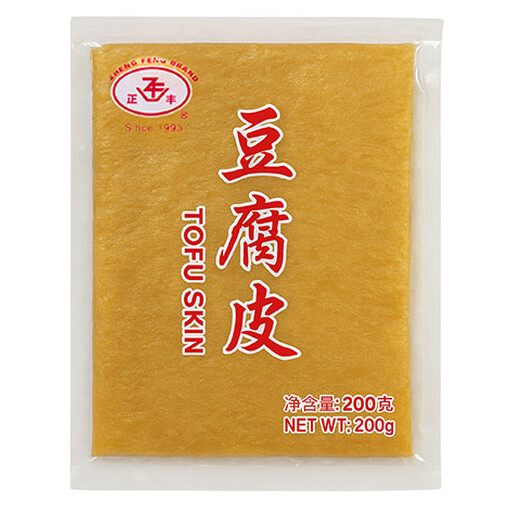
Why This Fits Their Persona: A manageable 200g pack suits first-time buyers who want to try Chinese tofu skin in stir-fries, soups or hot pot without committing to a bulk quantity.
The pack size limits waste, while the label clearly identifies soy at 90% and declares sodium bisulphite and sulphites.
Thin, chewy sheets; dry storage; recommended soaking in warm water before cooking.
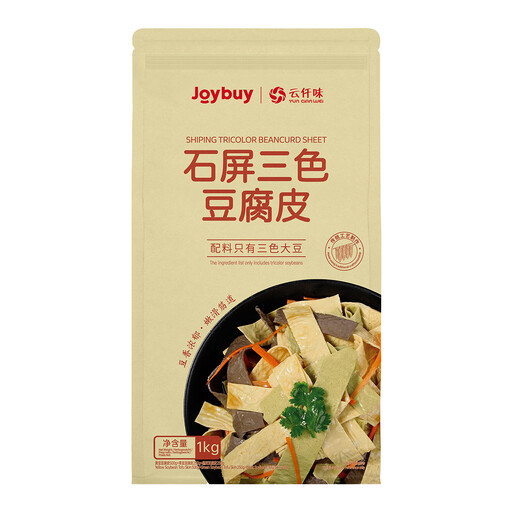
Why This Fits Their Persona: Suitable for shoppers who value ingredient simplicity, visual variety and a substantial supply for regular Chinese cooking or entertaining.
The listing specifies three separate 100% soybean varieties and provides the quantities: 500g yellow, 250g green and 250g black bean curd skin.
1kg total weight; approximately 41.4g protein per 100g; suitable for salads, soups, braising, hot pot and fillings.
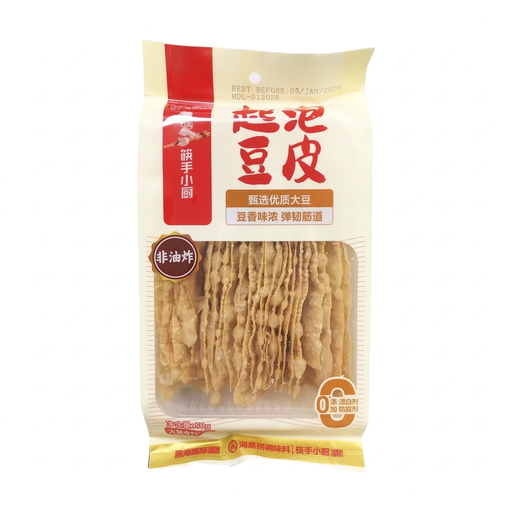
Why This Fits Their Persona: A compact option for a hot pot evening, especially when you want a porous ingredient that takes up broth quickly.
The 50g quantity makes it easier to match the purchase to a single meal instead of storing a large opened pack.
Soybeans and water are listed as ingredients; the product is described as puffed and suitable for hot pot and stir-fries.
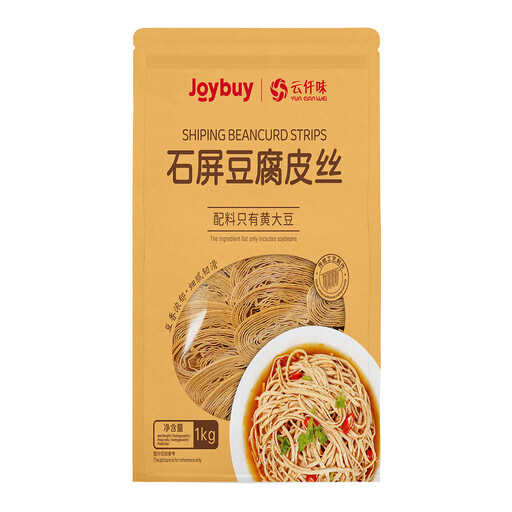
Why This Fits Their Persona: Pre-cut tofu skin strips are practical for frequent meal preparation, large households and cooks who regularly make salads, stir-fries or hot pot.
The strips are pre-cut, reducing preparation work, and the listing specifies 100% yellow soybeans rather than an unspecified composite formula.
1kg value pack; approximately 43.2g protein per 100g; soak for around 30 minutes before use.
We have compiled a complete, real-time list of products that fully satisfy these strict selection criteria and UK safety regulations.
Tofu skin works well with mushrooms, leafy greens, noodles, chilli oil, sesame dressing and aromatic sauces. For a simple tofu skin strips salad, soak the strips, blanch them briefly, drain thoroughly and toss with soy sauce, sesame oil, garlic, chilli and coriander.
Tofu skin is made from soybeans, so products with only soybeans and water may fit vegetarian or vegan cooking. However, some formulas contain ingredients such as liquor, preservatives or salt, and manufacturing information can vary. Read the complete ingredient and allergen label before purchase, particularly if you follow a strict vegan diet.
Unopened dried tofu skin generally has a shelf-life stated on its packaging and should be kept in a cool, dry place away from direct sunlight. Once opened, reseal it in an airtight container and protect it from humidity. Fresh and frozen products have shorter or more specific storage requirements, so follow their individual best-before and handling instructions.
Most dried bean curd sheets, tofu skin strips and dried tofu sticks need soaking before cooking. Fresh bean curd sticks can usually be used after draining, while puffed hot pot tofu skin may need only the preparation described on its packaging. Do not assume that a dry product is ready to eat.