
24/7 Customer Support

Free returns

Same-day & Next-day Delivery

Quality Guaranteed

Unlock Your Welcome Offers: FREE Delivery | Up to 80% OFF | Free 30-day JoyPlus trial
Download the APP
Tofu skin is a useful soya-based ingredient for hot pot, stir-fries, soups and cold dishes, but the different formats can make shopping confusing. In UK shops and online listings, tofu skin, yuba, soya bean skin, tofu sheets and bean curd sheets may describe products with very different textures, storage needs and preparation times.
Before adding a packet to your basket, look beyond phrases such as “traditional”, “high protein” or “ready to use”. The format, ingredient list and nutrition panel usually tell you more about whether it will suit your kitchen.
Dried tofu skin and dried bean curd sticks are shelf-stable, but they usually require soaking before cooking. Fresh or frozen bean curd sheets are softer and quicker to prepare, but need refrigeration or freezer space.
A product labelled “ready to eat” may still require thorough heating for a hot pot or stir-fry. Always follow the cooking and storage instructions on the packaging rather than assuming that all yuba is prepared in the same way.
Nutrition values are generally listed per 100g, but 100g of a dry product is not directly comparable with 100g of fresh tofu skin. Dry products naturally show concentrated figures before soaking. For example, some dried products in this range list around 39–47g of protein per 100g, while a fresh bean curd stick product lists 15g per 100g.
That does not automatically make one product more suitable. A fresh product contains more water and may be convenient for immediate cooking, while a dried product can be stored for longer and portioned as needed.
Soya beans are a legally recognised allergen in the UK and should be clearly identified in the ingredients or allergen information. Some dried yuba and bean curd sticks also contain sulphites, such as sodium bisulphite or sodium metabisulphite. If this matters for your diet, check the full label rather than relying on the product title.
Some Japanese inari tofu pockets also contain wheat and gluten through soya sauce, so they may not suit people avoiding gluten.
Choose the format according to the dish:
Preparation instructions vary considerably. Some dried tofu sticks need 30–60 minutes in warm water, while thicker or traditionally dried versions may require two to three hours. Other products, including some soya rolls, can soften within seconds in simmering hot pot broth.
Soaking until the centre is soft helps prevent a tough or powdery bite. Drain and rinse dried products as instructed, then cook thoroughly. Fresh refrigerated products may be ready to serve cold, but check whether the label requires heating before consumption.
A 120–200g packet is practical for occasional home cooking. Larger packs, such as 500g or 1kg, may offer better value for households that regularly prepare vegan Asian food, hot pot or batch-cooked meals. However, dried products should be transferred to an airtight container after opening where the packaging advises this.
Check whether the item is:
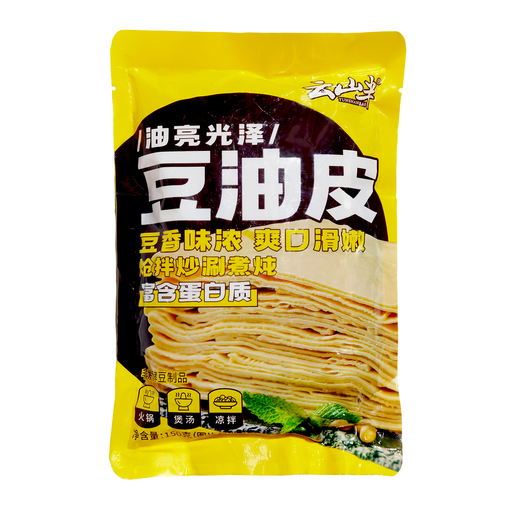
Why This Fits Their Persona: A manageable 150g cupboard-sized pack for cooks trying Chinese tofu skin in stir-fries, soups or other home recipes.
The listing states the net weight, ingredients and cool, dry storage requirement clearly, helping first-time buyers avoid choosing a large pack before understanding the format.
150g pack; nutrition panel lists 39.2g protein per 100g and soya beans, water and edible alcohol as ingredients.
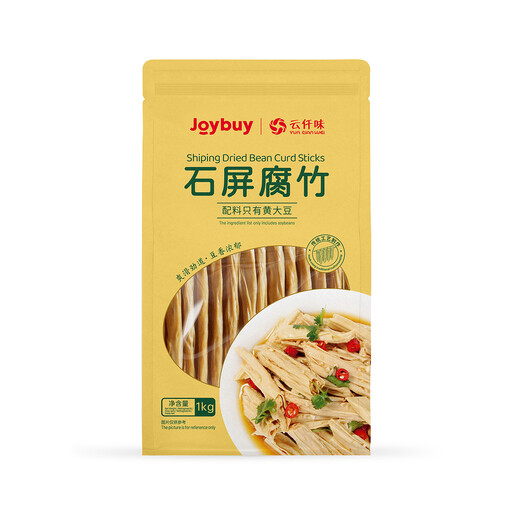
Why This Fits Their Persona: A bulk option for households that regularly cook yuba, braised dishes, cold salads or plant-based meals.
The ingredient list states 100% yellow soya beans, making it easier to distinguish a simple dried product from one containing added oil, starches or preservatives.
1kg pack; listed at 41.3g protein per 100g; soaking guidance is provided for two to three hours.
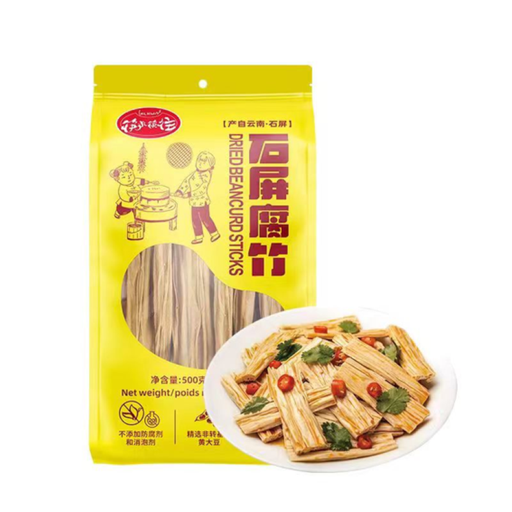
Why This Fits Their Persona: Suitable for frequent hot pot diners and cooks who need a substantial dried ingredient for soups, stews and stir-fries.
The pack size and dry storage instructions make the intended frequent-use format clear, while the label states that it must be soaked and cooked.
500g pack; listed at 44.8g protein per 100g; suitable for hot pot, soups, stir-fries, stews and cold dishes.
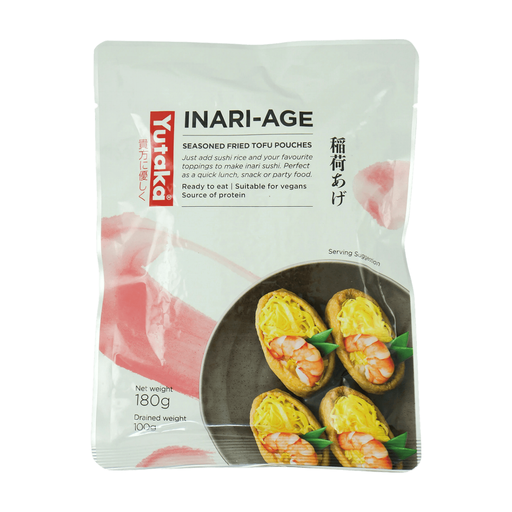
Why This Fits Their Persona: A convenient choice for Japanese inari tofu pockets, sushi rice, bento boxes and party food without preparing plain yuba.
It is clearly described as seasoned and ready to use, so shoppers do not mistake a sweet-savoury sushi pouch for an unseasoned hot pot sheet.
10 pockets per 180g pack; ready to fill; ingredients identify soya beans, wheat-containing soya sauce and rice vinegar.
We have compiled a complete, real-time list of products that fully satisfy these strict selection criteria and UK safety regulations.
For most dried tofu sheets or dried bean curd sticks:
Season plain tofu skin with soya sauce, sesame oil, chilli, garlic or vinegar. Its layered surface absorbs broth and sauces, making it useful in vegan Asian food as well as vegetarian and mixed-diet meals.
They are closely related names for a soya product formed from the skin that develops on heated soya milk. Yuba is commonly used in Japanese cuisine, while tofu skin, soya bean skin and bean curd sheets are frequent terms in Chinese cuisine. The shape and preparation method can differ, so check whether the product is fresh, fried, sheet-shaped or dried into sticks.
Usually, yes. Many dried sheets need around 20–60 minutes, while thicker dried tofu sticks can require longer. Use the instructions on the specific packet and soak until soft throughout before cooking.
Unopened dried tofu skin is generally stored in a cool, dry place away from sunlight. Fresh products may need refrigeration at 0–4°C, while frozen products must remain frozen until use. Once opened, reseal dry products in an airtight container and follow the stated best-before and post-opening instructions.