
24/7 Customer Support

Free returns

Same-day & Next-day Delivery

Quality Guaranteed

Unlock Your Welcome Offers: FREE Delivery | Up to 80% OFF | Free 30-day JoyPlus trial
Download the APP
Shopping for tofu skin can be surprisingly confusing. The same ingredient may appear as yuba, dried tofu skin, tofu sheets, soybean sheets, dried tofu sticks or bean curd sticks, while fried versions may be labelled fried beancurd, tofu puffs or fried soybean puffs.
For UK home cooks, the main risk is not simply choosing the wrong flavour. It is buying a format that does not suit the recipe, overlooking preparation instructions, or paying for a large pack that will not be used before its quality declines. This guide explains what to check and highlights suitable options for hot pot, stir-fries, soups, braised dishes and cold salads.
Tofu skin is sold in several forms:
A dried product may look less convenient, but it is usually easier to store in a cool, dry cupboard. Frozen products can be more suitable for immediate hot pot preparation, provided you have enough freezer space.
Nutrition values are often listed per 100g of dry product. Dried tofu skin loses its concentrated weight when soaked, so the figures should not be compared directly with those of a wet or frozen product.
For example, Fangjia Puzi Yuba lists 39.3g protein per 100g, while the dried tofu sticks in the YUN QIAN WEI 1kg pack list 41.3g per 100g. These figures are useful for comparison, but they do not indicate how filling a finished serving will be. Check the ingredient list, serving format and intended use as well as the protein table.
Tofu skin contains soybeans, so it is unsuitable for anyone with a soy allergy. Some dried products also contain sulphites, such as sodium metabisulphite or sodium bisulphite. Fangjia Puzi Yuba, Chuntian Round Branch Yuba and Great Harvest Dried Bean Curd Stick all specify sulphite-related ingredients or warnings.
Always read the current UK packaging before purchase, particularly when cooking for guests. Product information can change, and allergen details on the pack take priority.
Choose tofu sheets when you want flexible pieces for wrapping, slicing into salads or layering in braised dishes. Choose dried tofu sticks when you prefer a thicker, chewy texture that can withstand extended simmering.
Soaking times vary considerably:
Do not assume that a quick soak will work for every product. A firm centre can remain unpleasantly tough after cooking.
Look for the format that matches the dish:
The product name is only a starting point. The usage instructions and product photographs are more helpful when judging thickness and shape.
Ambient dried tofu products should generally be kept in a cool, dry place away from direct sunlight. After opening, transfer them to an airtight container where appropriate.
Frozen fried beancurd and frozen tofu products must be stored at -18°C or below. Do not refreeze after thawing. Cooking instructions also matter: some tofu skin products can go directly into simmering broth, while others must be soaked first. Unless the label specifically says otherwise, cook products thoroughly before eating.
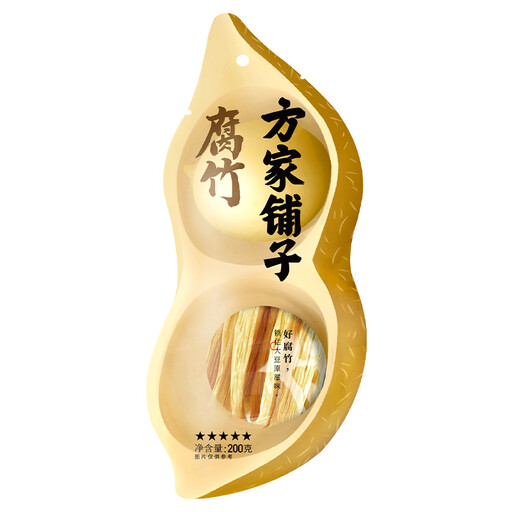
Why This Fits Their Persona: A manageable 200g ambient pack for first-time buyers who want to try yuba in stir-fries, soups, cold dishes or hot pot without committing to a bulk quantity.
The label clearly explains that it requires soaking and identifies both soy and sulphites, helping shoppers avoid unsuitable preparation or missed allergen information.
200g pack; 39.3g protein per 100g; suitable for several Chinese cooking methods after soaking.
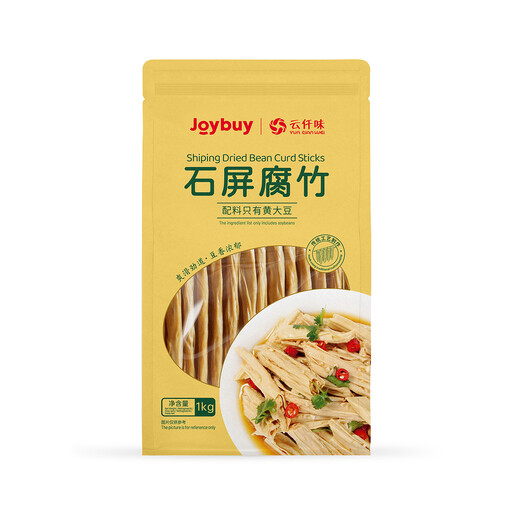
Why This Fits Their Persona: A substantial option for households that regularly prepare Chinese dishes and want a traditional dried ingredient available in the cupboard.
The ingredient list states yellow soybeans only, while the instructions give a realistic 2–3-hour soaking time rather than implying instant preparation.
1kg quantity; 100% yellow soybean ingredient list; designed to remain intact during longer cooking.
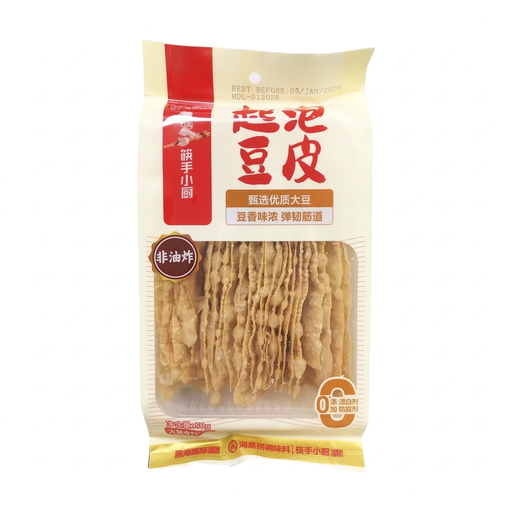
Why This Fits Their Persona: Designed for hot pot fans who want thin golden layers that soften quickly in simmering broth and can also be used in salads or stir-fries.
Its small 50g pack allows hot pot users to try a quick-cooking format without storing a large quantity of dried sticks.
The product instructions suggest 1–2 minutes in soup or hot pot, and the ingredient list contains soybeans and water.
For a porous, sauce-absorbing texture, consider fried beancurd rather than flat tofu sheets. Honor Fried Beancurd 200g is made from soybeans and vegetable oil and has a honeycomb interior. It is supplied frozen and can be added directly to simmering hot pot broth for around 3–5 minutes.
Frozen FRESHASIA Fried Beancurd 200g is another option for soups, stews, stir-fries and braised dishes. These products are not interchangeable with dried yuba: they offer a soft, spongy bite and can absorb a large amount of stock. Check the freezer capacity and use-by or best-before information before ordering.
We have compiled a complete, real-time list of products that fully satisfy these strict selection criteria and UK safety regulations.
They are closely related terms. Yuba is the skin formed from heated soy milk, while tofu skin and soybean sheets are common names used for similar products. Packaging may use “tofu sheets”, “bean curd skin” or “bean curd sticks” for different thicknesses and shapes, so check the preparation instructions.
It depends on the product. Thin sheets may take around 10–20 minutes in warm water, while thicker sticks can require 30–60 minutes or, in some cases, 2–3 hours. Soak until soft without a hard centre, then drain and rinse before cooking.
Plain soybean-based tofu skin can suit vegetarian or flexitarian cooking, but always read the full ingredient list. Some assorted platters contain fish, meat, egg, wheat or other allergens. Choose a product with a suitable ingredient declaration and cook it according to the packaging instructions.