Tofu skin, also known as bean curd skin or yuba, is a wonderfully versatile ingredient central to many East Asian dishes. Yet, for many UK home cooks, navigating the different types—from delicate beancurd sheets to chewy dried tofu sticks and crispy fried beancurd—can be a challenge. Choosing the wrong kind can affect the texture and flavour of your final dish.
This guide is designed to help you understand the key differences and select the right tofu skin for your next culinary creation, whether you're planning a comforting hot pot, a quick stir-fry or a refreshing salad. As your Joybuy Product Recommendation Officer, I've filtered through the options to provide practical advice for your kitchen.
Choosing the Right Tofu Skin: A Quick Guide
Before we look at specific products, here are a few pointers to consider when you're browsing for Chinese cooking ingredients.
- Consider the Form and Texture: Tofu skin comes in several primary forms. Sheets are thin and pliable once rehydrated, ideal for wraps, rolls and salads. Sticks (or fuzhu) are thicker and have a satisfyingly chewy bite, making them perfect for stews and braises. Fried varieties are puffy and porous, designed to soak up broths and sauces in seconds, a popular choice for hot pot.
- Check the Preparation Method: Always check the package instructions. Dried tofu sticks and sheets require rehydration before use. This usually involves soaking them in water—warm water speeds up the process, while cold water helps retain a firmer texture. Some fried versions, on the other hand, can be added directly to a simmering pot or even eaten as a snack.
- Match the Ingredient to the Dish: The success of your dish often depends on using the right ingredient. For a classic tofu for hot pot experience, fried beancurd puffs or thicker sticks are excellent choices as they absorb the flavourful broth. For a light summer salad, rehydrated beancurd sheets cut into ribbons provide a delicate, protein-rich base.
Top Product Recommendations
Here are some standout tofu skin products that cater to a range of cooking styles and preferences.
Kuai Lai Kuai Wang Tofu Skin 200g
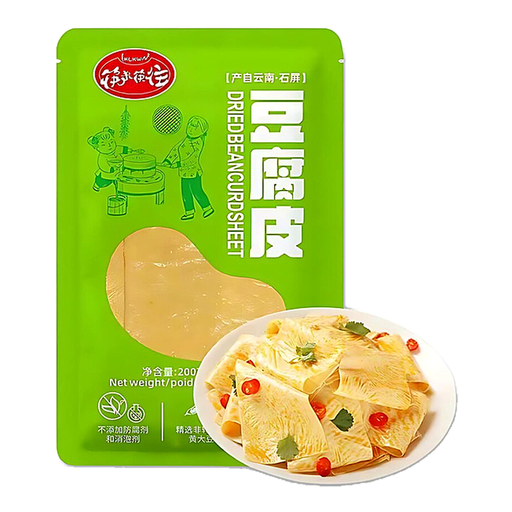
- Why It Stands Out: This product strikes a great balance between tenderness and durability. The thin sheets are made from selected soybeans and are smooth in texture, yet they hold their shape well when cooked in soups or stir-fries.
- Pros:
- Highly versatile for hot pot, stir-frying, stewing and cold salads.
- Absorbs the flavour of broths and sauces effectively.
- Can be easily cut into strips or slices to suit any recipe.
- Who is it for? The home cook looking for a reliable, all-purpose tofu skin that works well across a wide variety of Chinese dishes. It's an excellent starting point if you're new to using bean curd skin.
YUN QIAN WEI Shiping Three-Color Bean Curd Skin 1000g
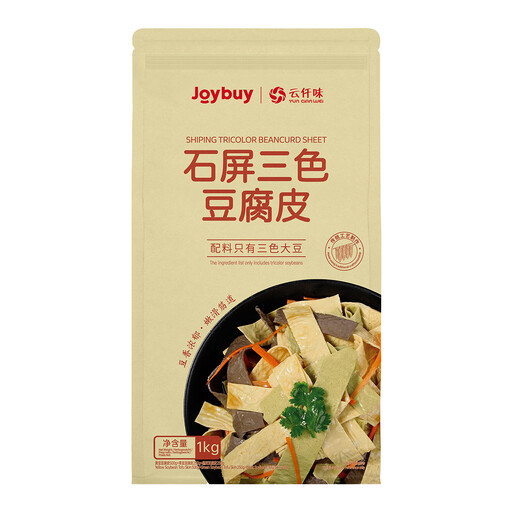
- Why It Stands Out: This large-format pack offers a unique trio of beancurd sheets made from yellow, green and black soybeans. The different colours add visual appeal to dishes, making them look as good as they taste.
- Pros:
- Generous 1kg quantity is great for families or batch cooking.
- The three colours create beautiful presentations, especially in salads and steamed rolls.
- Made with 100% pure soybean ingredients, offering a rich, natural flavour.
- Who is it for? Culinary enthusiasts who enjoy creating visually striking dishes, or anyone who uses tofu skin regularly and benefits from a larger pack size. It's particularly suited for cold dishes and appetisers.
Honor Mini Fried Beancurd Stick 100g
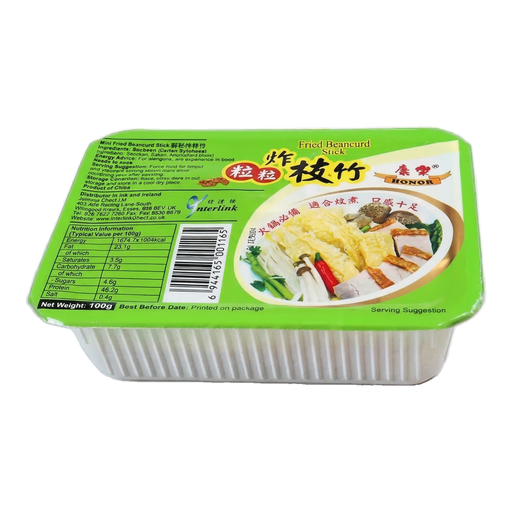
- Why It Stands Out: These bite-sized, deep-fried beancurd sticks offer ultimate convenience. They are ready-to-eat straight from the package, with a satisfyingly crispy and savoury profile.
- Pros:
- No soaking or cooking required.
- Can be used as a crunchy snack, a topping for congee or added directly to hot pot.
- The small, uniform pieces are easy to portion and use.
- Who is it for? Anyone seeking maximum convenience. They are perfect for busy individuals, as a fun snack or for those who want to add instant texture to soups and noodle dishes without any prep time.
Haidilao Tofu Skin 50g
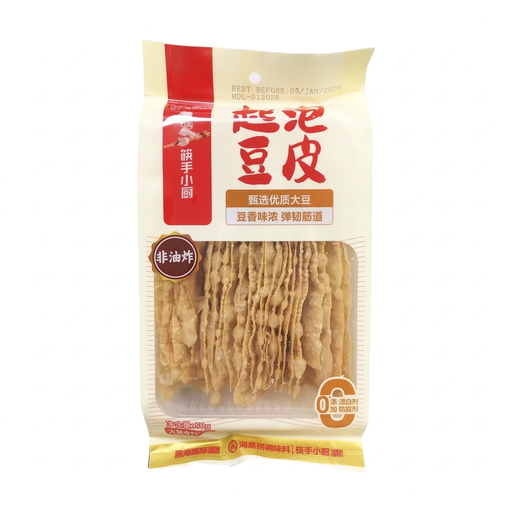
- Why It Stands Out: From the renowned hot pot brand Haidilao, this tofu skin is specifically engineered for the hot pot experience. It uses a unique puffing process that creates a porous structure, allowing it to absorb broth in just a few seconds.
- Pros:
- Transforms from crispy to tender almost instantly in hot broth.
- Delivers a restaurant-quality hot pot experience at home.
- High in protein, with approximately 46g per 100g.
- Who is it for? Dedicated hot pot lovers. If you want to replicate the authentic Haidilao experience or simply want a tofu for hot pot that cooks quickly and soaks up maximum flavour, this is an excellent choice.
Looking for More Options?
Our recommendations cover some of the most popular styles, but the world of tofu skin is vast. If you're searching for a different texture, pack size, or style, there are many more options to discover.
Explore our complete collection of dried tofu skin to find the perfect ingredient for your next meal.
Frequently Asked Questions
1. How do you prepare dried tofu skin? Most dried tofu skin, whether in stick or sheet form, needs to be rehydrated. For dried tofu sticks, soak them in warm water for 20-30 minutes or until they are pliable and have lost their hard core. For thinner beancurd sheets, a shorter soak of 10-20 minutes in warm or cold water is usually sufficient. Once softened, drain the water and they are ready to be cut and cooked.
2. What is the difference between tofu skin and tofu? Tofu skin and tofu are both made from soybeans, but their production process and texture are very different. Tofu is made by coagulating soy milk and pressing the resulting curds into blocks. Tofu skin, or yuba, is the film that forms on the surface of soy milk when it is heated. This film is lifted off and dried into sheets or sticks, giving it a much chewier, layered texture compared to the soft, uniform consistency of tofu.
3. Is tofu skin a good source of protein? Yes, tofu skin is a high-protein, plant-based food. Because it is a concentrated layer of soy milk, it generally has a higher protein content by weight than regular tofu. For example, the products listed above contain between 25g and 46g of protein per 100g, making it a substantial ingredient for vegetarian, vegan and omnivorous diets alike.


