
24/7 Customer Support

Free returns

Same-day & Next-day Delivery

Quality Guaranteed

Unlock Your Welcome Offers: FREE Delivery | Up to 80% OFF | Free 30-day JoyPlus trial
Download the APP
Tofu skin is a useful soybean ingredient, but UK shoppers can easily buy the wrong format for the dish they have planned. The terms yuba, bean curd sheets, bean curd sticks and dried tofu skin are often used across overlapping product categories, even though their textures, preparation times and storage requirements can differ considerably.
A pack that looks convenient may need several hours of soaking. A product described as tofu skin may actually be fried, seasoned or frozen. Before adding one to your basket, check the form, ingredients, preparation instructions and storage conditions rather than relying on attractive serving images.
Dried tofu sticks, also called fuzhu or dried yuba, are designed for storage in a cupboard but require rehydration. Depending on thickness, soaking may take from 20–30 minutes to several hours.
Fresh tofu skin and frozen tofu skin are softer and quicker to use, but they need chilled or frozen storage. Japanese aburaage is deep-fried bean curd, while inari tofu pockets are usually seasoned and ready to fill. These are not direct substitutes for plain dried bean curd sheets in every recipe.
Dried products commonly show concentrated nutritional values per 100g of dry product. Once soaked, they absorb water and weigh more, so the figures cannot be compared directly with a fresh or frozen product.
For example, dried products in this category list around 38–46.9g of protein per 100g dry weight, while a fresh bean curd stick may list 15g per 100g. This does not automatically mean that one product is more suitable; the format and serving size affect the comparison.
Soybeans are a required allergen declaration in the UK. Some dried tofu products also contain sulphites, sodium metabisulphite or sodium bisulphite. Seasoned inari wraps may contain soy and wheat, while some products use vegetable oils or acidity regulators.
Always read the current packaging, particularly if you have an allergy, intolerance or dietary restriction. “Vegetarian” does not necessarily mean vegan, halal or free from cross-contact with other ingredients.
Check whether the product needs warm water, room-temperature water or overnight soaking. Some dried tofu skin sheets soften in 20–30 minutes, while thicker dried bean curd sticks may need 30–60 minutes or 2–3 hours. A yellow or firm core usually indicates that the product needs more soaking.
Most products in this category state that cooking is required. Drain and rinse rehydrated tofu skin, then boil, braise, stir-fry or add it to soup according to the label. Do not assume that a dried product is ready to eat simply because it looks thin.
A 120–200g pack can suit occasional cooking, whereas a 500g or 1kg value pack makes more sense for regular hot pot meals or a plant-based household. Dried products should normally be kept in a cool, dry place, with opened packs transferred to an airtight container where instructed.
Frozen and refrigerated products need more planning. Check whether your freezer has sufficient space and whether the product must be consumed soon after opening. Compare the ingredient list as well: some products contain only soybeans and water, while others include oil, alcohol, starch, preservatives or sulphites.
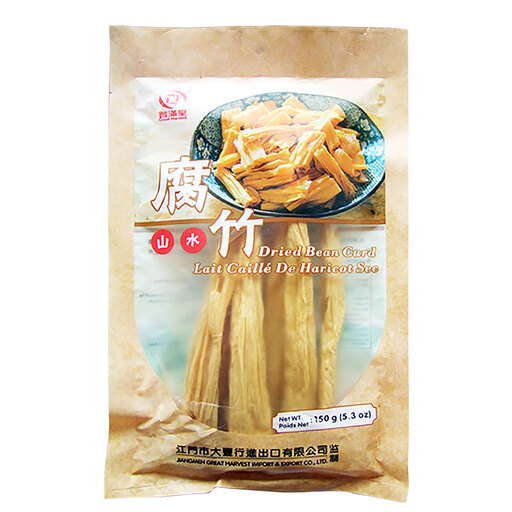
Why This Fits Their Persona: A compact cupboard-stable pack for shoppers trying dried tofu sticks in hot pot, soups, braised dishes or stir-fries without committing to a bulk quantity.
The product clearly states that it requires soaking for 30–60 minutes and lists soybeans and metabisulphites, helping buyers avoid an unexpected preparation step or allergen.
150g cupboard-stable pack; listed protein content is 46.9g per 100g dry product.
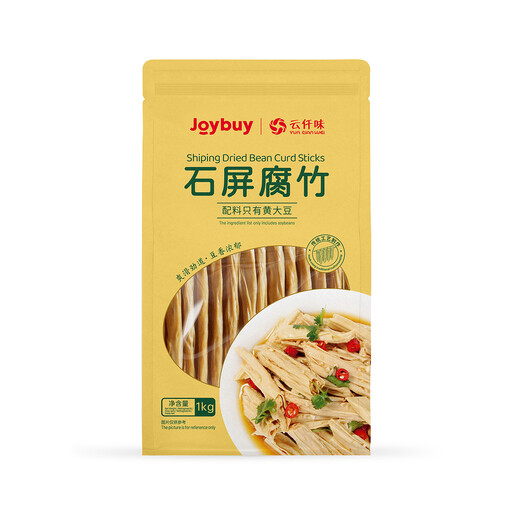
Why This Fits Their Persona: Suits regular cooks who want a large supply of dried bean curd sticks for Chinese home cooking, meal preparation and shared hot pot meals.
The ingredient list is shown as yellow soybeans, making it easier to distinguish from products containing oil, starch or sulphites. It also specifies a 2–3 hour soaking period.
1kg pack; 41.3g protein per 100g; suitable for braising, stewing, hot pot and cold salads.
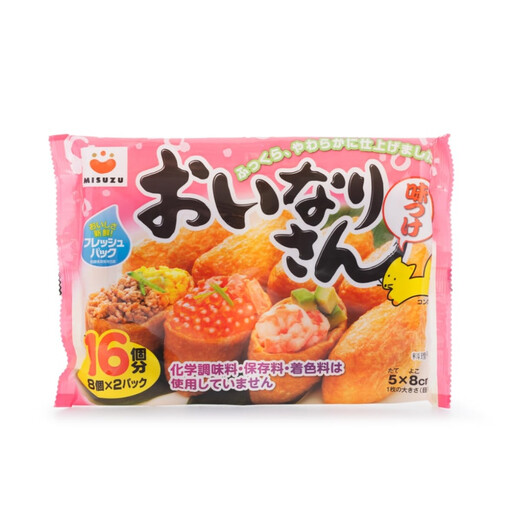
Why This Fits Their Persona: Designed for inari sushi, rice fillings, noodle bowls and salads when you want a ready-to-use Japanese tofu product rather than plain yuba.
It is identified as seasoned fried bean curd and fully cooked, so shoppers are less likely to mistake it for unsweetened dried tofu skin. The label also states refrigerated storage below 5°C.
16 pieces; ready to fill; listed as halal-certified; contains soy and wheat.

Why This Fits Their Persona: Practical for busy UK households that want a soybean roll for hot pot, soups, salads or stir-fries without the longer soaking associated with many dried products.
The listing states that it is ready to use without soaking, while still requiring cooking. This makes the preparation expectation clearer than a generic “quick cooking” description.
180g pack; listed protein content of 46.2g per 100g; suitable for hot pot, soups, salads and stir-fries.
We have compiled a complete, real-time list of products that fully satisfy these strict selection criteria and UK safety regulations.
Plain tofu skin is made from soybeans and water, so it can fit a vegan diet. However, recipes and prepared products may contain wheat, fish derivatives, dairy ingredients, honey or animal-based seasonings. Check the full ingredient list and allergen statement rather than relying on the product title.
Unopened dried tofu skin generally has a shelf life stated on the packaging and can be stored in a cool, dry cupboard. After opening, protect it from humidity by resealing the pack or using an airtight container. Fresh and frozen versions have shorter or stricter storage requirements, so follow the label and do not refreeze products where the instructions prohibit it.
For the shortest preparation time, choose a fresh, frozen or ready-to-use soybean roll and follow its cooking instructions. Dried tofu sticks offer a firmer, chewy texture but need soaking first. Fried tofu skin and aburaage absorb broth quickly, while seasoned inari pockets are more suitable for filling with sushi rice than for a neutral hot pot base.