
24/7 Customer Support

Free returns

Same-day & Next-day Delivery

Quality Guaranteed

Unlock Your Welcome Offers: FREE Delivery | Up to 80% OFF | Free 30-day JoyPlus trial
Download the APP
Choosing Together Health wholefood supplements can feel straightforward until you compare ingredient sources, nutrient amounts and serving instructions. Terms such as “natural”, “plant-based” and “food-state” may sound reassuring, but they do not automatically tell you whether a product suits your diet, medication, health goal or budget.
This guide highlights the main buying traps, explains the specifications worth checking and matches selected products to different shopping priorities.
A supplement made from mushrooms, herbs, seaweed or nutritional yeast can still interact with medication or be unsuitable for some health conditions. Vegan, organic or wholefood labels describe sourcing or formulation, not universal suitability.
People who are pregnant, breastfeeding, managing a medical condition or taking prescription medicines should check with a GP or pharmacist before use. This is particularly important for products containing herbs, concentrated mushrooms, iron, high-dose vitamin D or 5-HTP.
A 30-capsule pack is not necessarily cheaper than a 60-capsule pack. Check the daily serving size first. One product may require one capsule daily, while another requires two. Then compare the amount of the named nutrient or extract per serving, not just the number of capsules.
For vitamins and minerals, the Nutrient Reference Value (NRV) provides a useful reference point. It is not a personalised dosage recommendation, but it helps you understand the contribution of a product.
“Dual extract”, “full-spectrum” and “fruiting body” are useful formulation details, but they should not be treated as guarantees of a particular health outcome. Look for transparent information about the mushroom part used, extract ratio, standardisation and ingredients.
For example, the Together Health mushroom products specify organic fruiting bodies and provide figures for polysaccharides and beta-glucans. These details make comparison easier, without promising that every user will experience the same effect.
Vegans and vegetarians should check both the active ingredients and the capsule shell. Lichen-derived D3, mushroom-derived B12, nutritional yeast and vegetable cellulose capsules can be relevant when avoiding animal-derived ingredients.
Also check allergen information. The Men’s Wholefood Multivitamin, for example, contains mustard, while several other products are listed as free from dairy, soya and gluten. Packaging and formulations may change, so always check the current label before purchase.
The form of a nutrient affects how the product fits into your routine. Examples include:
Take note of whether a product should be taken with food. Fat-soluble nutrients such as vitamins D and E are generally listed with meal guidance. Iron products may have specific instructions about caffeine, calcium-rich foods and taking them alongside vitamin C.
A reliable product page should show the full ingredient list, serving size, warnings, storage instructions and manufacturer details. Check whether claims relate to an authorised nutrient function, such as zinc contributing to normal immune function, rather than accepting broad claims about preventing illness or treating symptoms.
The safest approach is to choose a product with a clearly stated purpose and avoid stacking several products that contain the same nutrients.
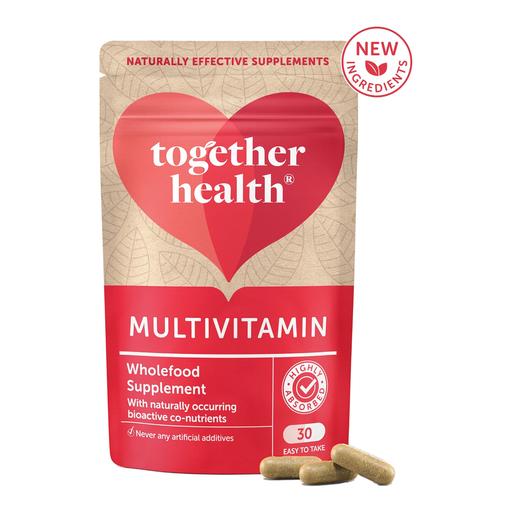
Why This Fits Their Persona: A one-capsule daily format suits shoppers wanting a straightforward wholefood multivitamin without building a large supplement routine.
The listing states the serving size clearly and provides nutrient quantities, including vitamin D3, vitamin C, iron, zinc and B vitamins.
One capsule daily; plant, food and ocean-sourced ingredients; suitable for vegetarians and vegans according to the listing.
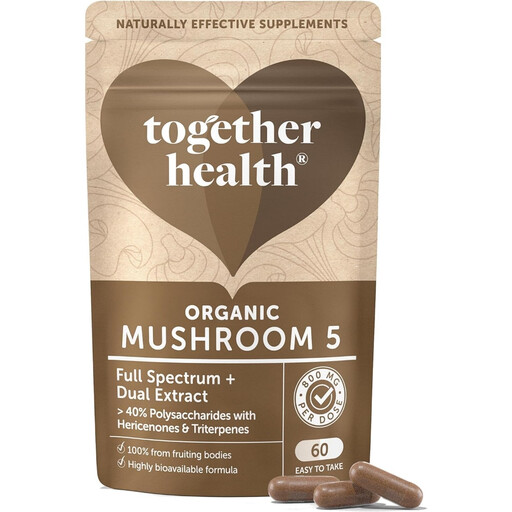
Why This Fits Their Persona: Suits buyers comparing mushroom supplements by species, extraction method and standardised extract information.
It identifies five mushrooms, uses fruiting bodies and states an 800 mg serving with polysaccharide and beta-glucan percentages.
Contains Lion’s Mane, Chaga, Reishi, Shiitake and Maitake; vegan capsule; 60-capsule pack.
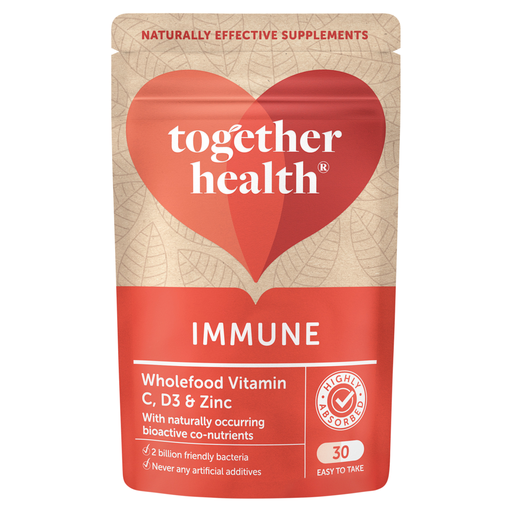
Why This Fits Their Persona: A practical option for adults seeking combined vitamin C, D3, zinc, selenium and live-culture ingredients in one capsule.
The label gives exact amounts per capsule and explains that the standard dose is one capsule daily, taken with food.
Provides vitamin C, vitamin D3, zinc and selenium at 100% NRV per capsule; vegan and free from dairy, soya and gluten according to the listing.
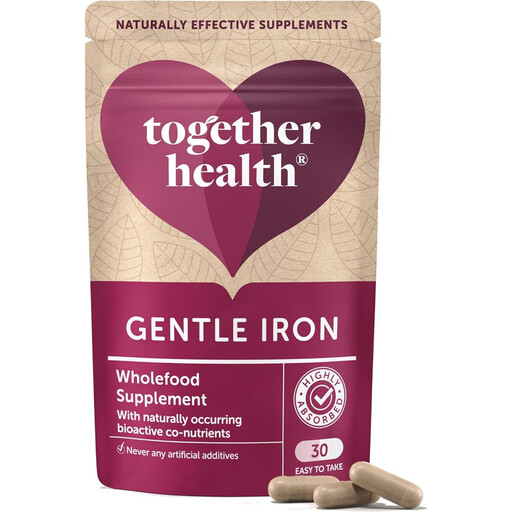
Why This Fits Their Persona: Designed for adults specifically comparing iron formats, including plant-based shoppers who want clear guidance on timing.
It states 16 mg of iron per capsule and provides practical instructions about empty-stomach use, caffeine and calcium spacing.
Curry-leaf extract source; 114% NRV of iron per capsule; vegan and listed as free from dairy, soya and gluten.
For energy support vitamins, compare B12, folate, iron and the full B-vitamin profile rather than relying on the word “energy”. The Organic Vitamin B12 and B Complex products offer plant-based formats, while the Gentle Iron formula provides a more targeted option.
For stress support capsules or sleep support capsules, check the botanical ingredients and warnings carefully. Ashwagandha, Reishi, hops and 5-HTP are not interchangeable, and the Night Time formula specifically warns against use alongside antidepressant medicines.
For beauty supplements for hair, skin and nails, look for the actual amounts of biotin, zinc, selenium, vitamin C, silica and hyaluronic acid. These ingredients can support normal body functions where an authorised claim applies, but supplements cannot replace a balanced diet or guarantee a cosmetic result.
Many listed products use vegetable cellulose capsules and plant, mushroom, seaweed or lichen sources. However, suitability varies by product, and some formulas contain specific allergens such as mustard. Check the individual label before ordering.
A multivitamin may suit someone seeking a general nutrient top-up, while a targeted product is more appropriate when comparing one nutrient or goal, such as vegan vitamin D3, natural vitamin B12 or iron. Avoid duplicating nutrients across several products unless advised by a healthcare professional.
The product instructions generally recommend a cool, dry place away from direct sunlight, with the packaging resealed after use. Keep supplements out of the sight and reach of children, and check the best-before date, seal and current directions before use. Supplements should complement a varied, balanced diet and healthy lifestyle.