
24/7 Customer Support

Free returns

Same-day & Next-day Delivery

Quality Guaranteed
Download the APP
Categories
As a Product Recommendation Officer at Joybuy, my role is to help you navigate the market and find products that genuinely suit your needs. The humble toilet brush is an essential household tool, yet choosing the right one can be surprisingly complex. From dripping bristles to ineffective cleaning, the wrong brush can make a simple chore frustrating. This guide is designed to clarify your options and present a selection of practical choices for keeping your bathroom clean and hygienic.
We will explore the key features to consider, from material to design, and highlight a few standout products that cater to different preferences and budgets.
Before looking at specific models, it helps to understand what separates a merely functional toilet brush from a truly effective one. Here are a few key points to consider during your search.
The material of the brush head is perhaps the most significant factor. Traditional brushes often use stiff polypropylene (PP) bristles, which provide excellent scrubbing power for tough stains. However, they can sometimes trap debris and water.
A silicone toilet brush offers a more modern alternative. Silicone is non-porous, which means it’s less likely to harbour bacteria and is easier to rinse clean. The flexible bristles are also gentler on the porcelain surface of your toilet bowl while still being effective at cleaning under the rim. This makes it a popular choice for anyone looking for a hygienic toilet brush.
A toilet brush and holder set is standard, but not all holders are created equal. A well-designed holder should conceal the brush head discreetly and, crucially, manage drips. Look for models with features like internal drip trays or ventilated designs that allow the brush to dry quickly, preventing the growth of mould and unpleasant odours. For smaller bathrooms, a compact toilet brush with a minimal footprint can help save valuable floor space without sacrificing function.
For those seeking maximum efficiency, an electric toilet brush is an increasingly popular option. This type of toilet bowl scrubber uses a motorised head to do the hard work for you, providing a consistent and powerful clean with minimal effort. They often come with interchangeable heads, including different bristle types and even disposable pads, offering a versatile and convenient cleaning solution.
Based on features, materials and user needs, we have selected a few noteworthy options available on Joybuy.
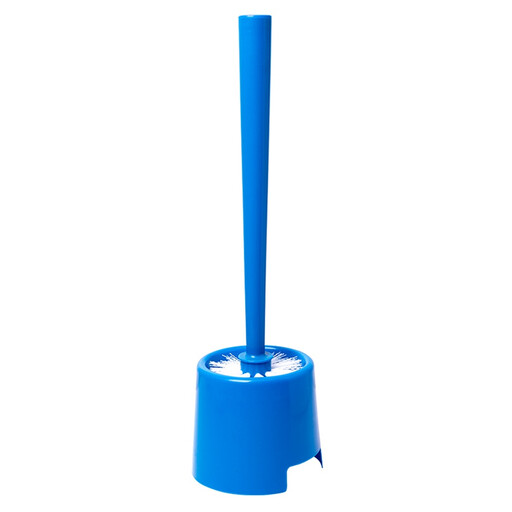
Why It Stands Out: This set focuses on the fundamentals and executes them well. It features a classic design with durable materials, offering a straightforward and effective cleaning tool that is built to last. The sturdy polypropylene construction is resistant to rust and moisture.
Pros:
Who is it for?
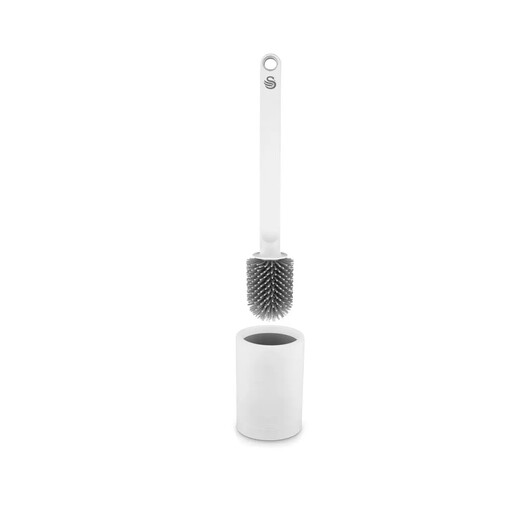
Why It Stands Out: The Swan Elevate brush addresses the common hygiene concerns associated with traditional brushes. Its flexible, anti-clog silicone head is designed to prevent debris build-up, and the elevated holder promotes quick drying to reduce moisture and odours.
Pros:
Who is it for?
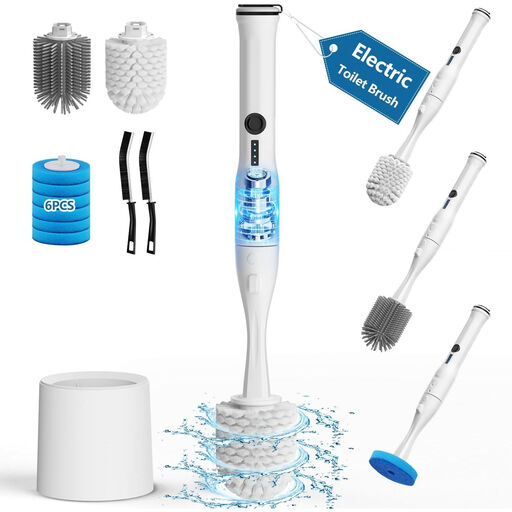
Why It Stands Out: This 10-in-1 kit transforms toilet cleaning into a quick and effortless task. The electric toilet brush features two spin speeds (200/300 RPM) and a variety of heads for different cleaning needs, including a hard nylon brush, a soft silicone brush and disposable refills.
Pros:
Who is it for?
If these recommendations aren't quite what you're looking for, or if you'd like to browse a wider variety of styles and features, we have more to see. Explore our full collection of cleaning tools to find the perfect fit for your bathroom.
[Explore the full range of bathroom brushes at Joybuy](https://www.joybuy.co.uk/explore/bathroom-brush/pFq3aY1a)
1. Are silicone toilet brushes better than bristle ones? Silicone and traditional bristle brushes each have their advantages. A silicone toilet brush is often considered more hygienic as its non-porous surface is easier to clean and less likely to trap water and bacteria. Traditional PP bristles, however, can offer more aggressive scrubbing power for very tough stains. The choice depends on whether you prioritise hygiene and ease of maintenance or maximum scrubbing force.
2. How often should you replace a toilet brush? For a traditional bristle brush, it is good practice to replace it every six months to a year, or sooner if the bristles become discoloured, flattened or worn. One of the benefits of a high-quality silicone brush is its durability, which often means it does not need to be replaced as frequently. For electric models with replaceable heads, you should follow the manufacturer's guidance for replacing the specific head attachments.
3. Can an electric toilet brush damage the toilet bowl? Most electric toilet brushes are designed with safety in mind. Models like the Leebein set come with different heads, including soft silicone options that are gentle on porcelain. The spin speeds are also typically calibrated to clean effectively without causing splashing or scratching. It is always best to use the appropriate brush head for the task and avoid applying excessive force.