
24/7 全天候客户支持

免费退货

当日/次日达

品质保障

开启新人专享福利: 全场免邮 | 低至 2 折 | 免费试用 30 天 JoyPlus 会员
下载 Joybuy
Navigating the cleaning aisle for a new toilet cleaner can feel overwhelming. With countless bottles promising sparkling results, it’s easy to grab one based on a familiar brand or a pleasant scent, only to find it doesn't solve your problem. As a Joybuy Product Recommendation Officer, my role is to help you see past the marketing clutter and focus on what truly matters for a clean and hygienic toilet.
Many of us fall into common traps that lead to wasted money and frustration. Before you make your next purchase, be aware of these pitfalls:
To make a smart choice, you need to look at a few core parameters on the product label. These details tell you exactly what the product is designed to do.
The cleaning power of a toilet bowl cleaner comes from its active ingredients. Different ingredients solve different problems.
Always check for terms like "thick gel" or "clinging formula". A viscous toilet gel adheres to the vertical surfaces of the bowl, especially under the rim where germs and limescale accumulate. This extended contact time allows the active ingredients to break down stains and disinfect thoroughly, giving you much better results and value for money.
Look for specific, regulated claims such as "Kills 99.9% of bacteria". This is not just marketing language; it indicates that the product has been formulated and tested to meet a certain standard of hygienic performance. For households with children, pets or anyone prioritising a germ-free environment, this is a non-negotiable feature.
Instead of a generic list, we've matched specific products to the households that will benefit from them most.
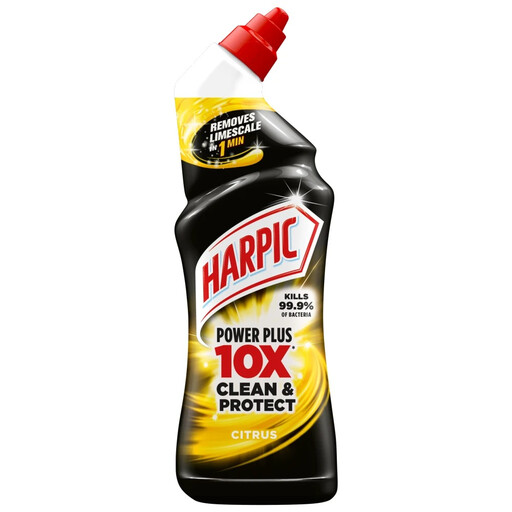
Why This Fits Their Persona: For those living in the many hard water regions across the UK, this cleaner is a practical solution. Its primary function is to tackle the relentless build-up of limescale that causes unsightly brown and yellow stains.
It directly counters the bleach-only trap. Its hydrochloric acid formula is specifically designed to dissolve mineral deposits, providing a deep clean that bleach alone cannot achieve on limescale.
Its main benefit is its targeted, fast-acting formula against limescale. It also disinfects, offering a comprehensive clean in one bottle.
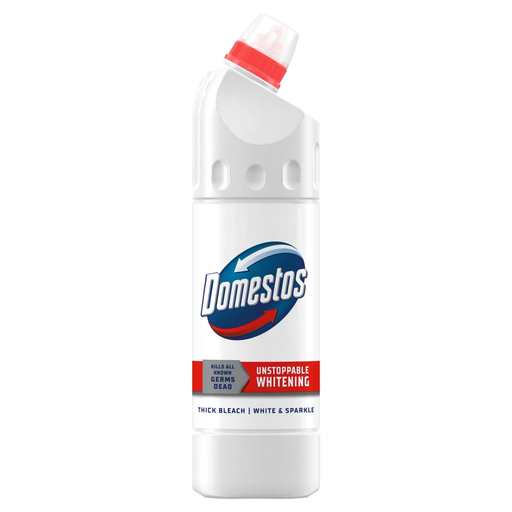
Why This Fits Their Persona: For households where killing germs is the number one priority, a powerful bleach-based cleaner is the most practical choice. This product is geared towards providing a high level of disinfection against bacteria and viruses.
This product avoids the "watery formula" trap. Its thick bleach formulation is designed to cling to the bowl surface, giving the sodium hypochlorite ample time to disinfect effectively, even below the waterline.
Its primary strength is its disinfecting power. It also has whitening properties to keep the bowl looking bright and clean, and can be diluted for other household cleaning tasks.
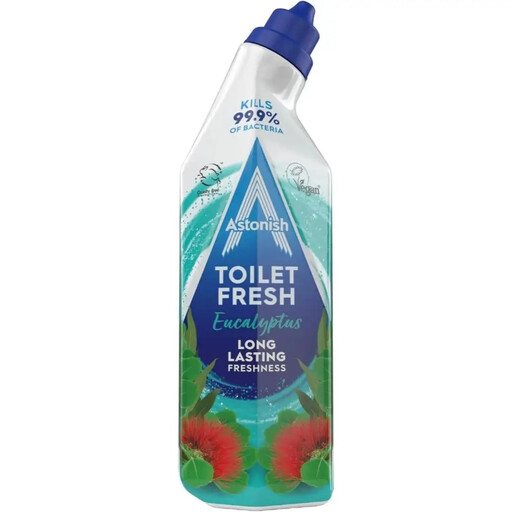
Why This Fits Their Persona: For consumers who prioritise animal welfare and prefer plant-derived ingredients where possible, this cleaner is an excellent fit. It offers effective cleaning performance while adhering to strong ethical standards.
It avoids the "fragrance fallacy" by providing genuine cleaning power. The formula uses citric acid to tackle limescale and also disinfects, ensuring it does more than just leave a pleasant eucalyptus scent.
Its standout features are its cruelty-free and vegan certifications. It provides a balanced approach to cleaning, removing limescale and killing bacteria without relying on harsh bleach.
We have compiled a complete, real-time list of products that fully satisfy these strict selection criteria and UK safety regulations.
For general hygiene, it's a good practice to give the toilet bowl a quick clean with a brush and a quality toilet cleaner two to three times a week. A deeper clean, focusing on the exterior, seat and tank, should be done at least once a week. Regular use of a cleaner helps prevent the build-up of stubborn limescale and bacteria.
No, you should never mix different cleaning products, especially a bleach-based cleaner with an acid-based one. Mixing these chemicals can release dangerous chlorine gas, which is harmful to inhale. Always use one product at a time and ensure the toilet is flushed thoroughly before considering using a different type of cleaner. Always read the safety warnings on the label.
Most mainstream liquid toilet cleaners sold in the UK are considered safe for septic tanks when used as directed. However, overuse of any chemical, particularly harsh bleaches, can disrupt the bacterial balance in the tank. If you have a septic system, it is always wise to check the product label for a "septic safe" statement or choose products specifically formulated for this purpose.