
24/7 Customer Support

Free returns

Same-day & Next-day Delivery

Quality Guaranteed

Unlock Your Welcome Offers: FREE Delivery | Up to 80% OFF | Free 30-day JoyPlus trial
Download the APP
Tomato sauce covers a wide range of cupboard staples, from everyday tomato ketchup and baked beans to cooking sauces, sardines and mackerel in tomato sauce. The right choice depends on how you plan to use it, but attractive packaging can make similar products appear interchangeable.
Before adding a bottle or tin to your basket, check the ingredient list, net quantity, allergens and storage instructions. These details often reveal whether a product is suitable for a family breakfast, a quick lunch, a vegan meal or a spicy recipe.
Tomato ketchup is usually sweet, acidic and ready to squeeze onto chips, burgers, sandwiches or snacks. It can add flavour to a recipe, but it is not always a direct substitute for a tomato cooking sauce.
Cooking sauces tend to be formulated for pasta, rice, stews or Filipino-style dishes and may have a different balance of tomato, seasoning, sugar and salt. A bottle labelled “tomato sauce” may also refer to a condiment rather than a jar or pouch intended as a meal base.
A large bottle or multipack may look economical, but compare the price per 100g or per litre where available. Also consider how quickly the product will be used after opening. A large bottle can represent poor value if it remains in the fridge for months, while a multipack of cans may suit households that use baked beans or tinned tomato products regularly.
For tinned fish, compare the fish percentage and net quantity rather than focusing only on the can size. Sauce contributes to the total weight, so two similarly sized tins may contain different amounts of fish.
Tomato-based products can contain more than tomatoes, vinegar and seasoning. Check for fish, wheat, egg, mustard, celery, soya and milk, particularly when buying tinned fish, burger sauces or speciality ketchups.
Sugar and salt levels can also vary considerably. For example, the listed nutritional information for Heinz Tomato Ketchup 1.35kg shows 26.7g of sugars and 2.0g of salt per 100g, while Branston Baked Beans in Tomato Sauce lists 4.7g of sugars and 0.60g of salt per 100g. These products serve different purposes, so compare like with like.
Ingredient lists are arranged by weight, so the first few ingredients provide useful context. Mama Sita’s Tomato Sauce lists water at 64% and tomato purée at 32%, with cane sugar and vinegar also included. It is designed for pasta, pizza, meatloaf and Filipino-style spaghetti, where a sweet-savoury profile may be desirable.
For ketchup, tomato paste or purée is commonly combined with vinegar, sugar, salt and spices. A spicy tomato ketchup may also include chilli, garlic, ginger or pepper. If you want a sauce for stir-fries or sweet-and-sour dishes, look for wording that specifically supports cooking use rather than assuming standard ketchup will provide the intended flavour.
Once opened, follow the label rather than relying on a general rule. Several tinned products in this range recommend transferring leftovers to a covered, non-metallic container, refrigerating them and using them within two days. Some products have shorter guidance, so check the packaging each time.
Some products are suitable for vegetarians or vegans, but this should be confirmed on the product label. Hellmann’s Ketchup is described as vegan and lists no allergens, while Hawkshead Relish Sriracha Ketchup is listed as suitable for vegans and vegetarians and contains no gluten or nuts according to the supplied product information.
By contrast, fish products contain fish allergens, and Premium Mackerel in Tomato Sauce also lists wheat in its ingredients. O’Food Gochujang Ketchup contains cereals containing gluten and soya. Always check the current packaging, especially if buying for someone with an allergy.
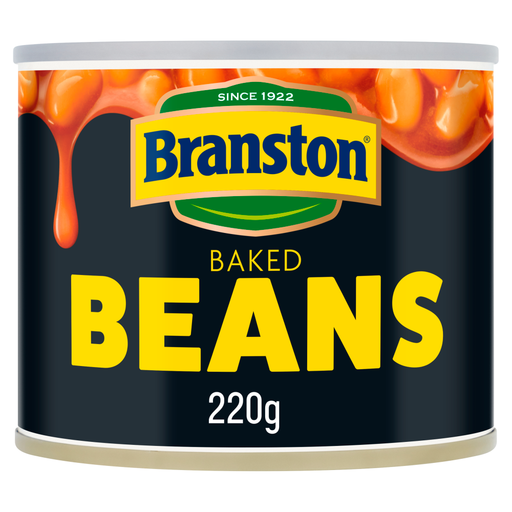
Why This Fits Their Persona: The 220g can is a manageable size for one or two servings, making it practical for toast, jacket potatoes or a quick side without committing to a larger pack.
The pack size makes portion planning clearer, while the label identifies beans, tomatoes and nutrition per 100g and per can.
Suitable for vegetarians; listed as high in fibre and low in fat; suitable for serving hot or as part of a recipe.
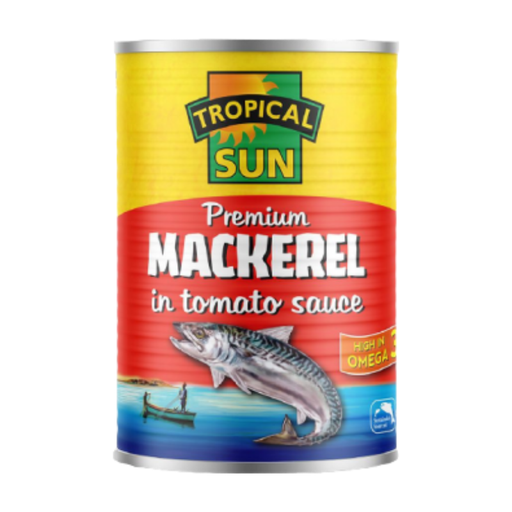
Why This Fits Their Persona: A 400g tin offers firm mackerel fillets in tomato sauce for shoppers who want a substantial ingredient for salads, sandwiches, pasta or stews.
The listing states the fish percentage, ingredients and allergens, helping shoppers assess the contents instead of judging the tin by its description alone.
Mackerel is listed at 60%; ready to use cold or warm; contains fish and wheat, which are clearly identified for checking.
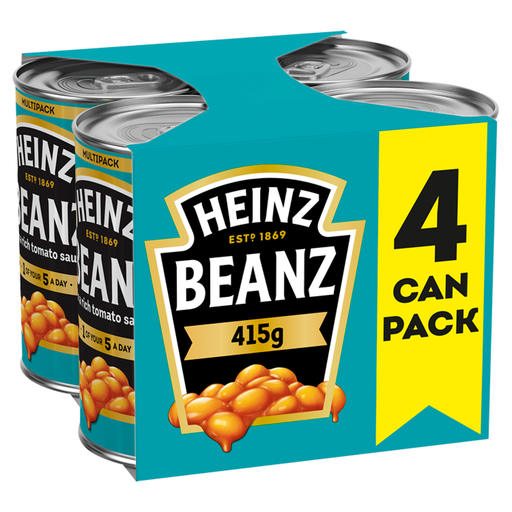
Why This Fits Their Persona: The four-can format suits families, shared breakfasts and households that keep convenient cupboard meals available.
A multipack makes the total quantity visible and reduces the need to buy individual cans repeatedly, while storage guidance covers leftovers.
Four 415g cans; suitable for vegetarians and vegans according to the supplied information; listed as a source of fibre and protein.
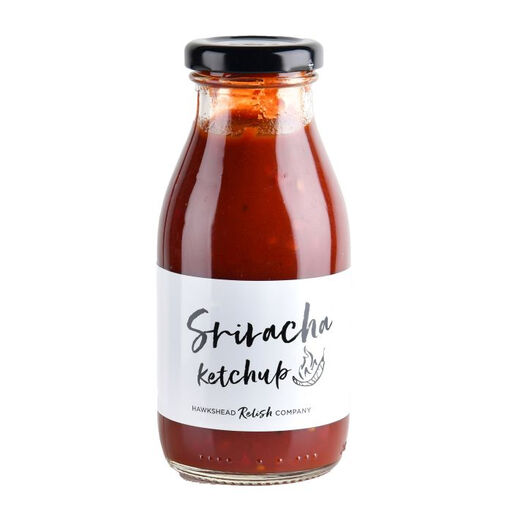
Why This Fits Their Persona: The tomato-and-chilli profile works for dipping chips, topping nachos, adding to burgers or stirring into chilli.
The ingredients specify 11% red chilli peppers and 1% dried chilli, giving shoppers more information than a vague “hot” label.
Listed as suitable for vegans and vegetarians; no artificial colourings, flavourings, preservatives, gluten or nuts according to the product details.
We have compiled a complete, real-time list of products that fully satisfy these strict selection criteria and UK safety regulations.
No. Ketchup is generally a sweet, acidic condiment intended to be used directly. Tomato cooking sauce is usually formulated as a base for pasta, rice, stews or other dishes. Check the intended use and ingredient list before substituting one for the other.
Transfer unused contents to a suitable covered container, refrigerate promptly and follow the product’s stated use-by guidance. Several products specify consumption within two days, while sardines may have different instructions. Avoid storing opened food in the original metal tin unless the label specifically permits it.
Suitability varies by product. Some ketchups, baked beans and tomato sauces are labelled vegan, while tinned fish products are not. Check the current packaging for a vegan statement and review allergen information, particularly for products containing wheat, soya, mustard or possible traces of fish.