
24/7 Customer Support

Free returns

Same-day & Next-day Delivery

Quality Guaranteed

Unlock Your Welcome Offers: FREE Delivery | Up to 80% OFF | Free 30-day JoyPlus trial
Download the APP
Tomato sauce can mean very different things in a UK kitchen. It may be a sweet table condiment, a spicy dip, a pasta base or a complete tinned meal with beans or fish. Choosing by bottle size or front-of-pack wording alone can lead to a disappointing purchase.
Three common buying traps are worth avoiding:
For chips, burgers, sausages and sandwiches, look for a thick tomato ketchup that stays in place rather than running across the plate. A squeeze bottle is convenient for everyday use, while a larger bottle may suit families or frequent users.
For pasta, stews, lasagne and Filipino-style spaghetti, check whether the product is labelled as a tomato-based cooking sauce or tomato sauce rather than standard ketchup. Products with tomato purée or tomato paste near the start of the ingredient list are generally more suited to cooking, although the full recipe still matters.
For quick meals, baked beans in tomato sauce, sardines in tomato sauce and mackerel in tomato sauce combine the sauce with a filling ingredient. Check the net weight, drained weight where provided and storage instructions after opening.
Ingredients are listed by weight, so the order can help you understand the recipe. Heinz Tomato Ketchup 460g, for example, lists tomatoes at 148g per 100g of ketchup, followed by vinegar, sugar and salt. It contains celery through its spice and herb extracts.
Allergens must be taken seriously. Fish products contain fish, while some recipes include wheat, egg, milk, mustard or soya. Premium Mackerel In Tomato Sauce contains fish and wheat, whereas the listed Heinz baked beans contain no declared allergens. A product described as vegan should still be checked against the latest packaging, particularly where a “may contain” warning is present.
Large bottles and multipacks can offer convenience, but only if the product will be used before its quality declines. Once opened, many ketchups should be refrigerated and consumed within a stated period. Tinned fish and baked beans generally need to be transferred to a covered, non-metallic container and refrigerated after opening.
Nutrition panels are useful for comparing options:
These figures are not directly equivalent to a normal serving, but they provide a consistent basis for comparison.

Why This Fits Their Persona: A familiar everyday format for households wanting one versatile condiment for chips, burgers, sandwiches and barbecues without committing to a large catering-size bottle.
The 460g size avoids overbuying, while the ingredient and nutrition information makes its sweet, acidic ketchup profile clear before purchase.
460g net quantity; no artificial colours, flavours, preservatives or thickeners listed in the supplied product details.
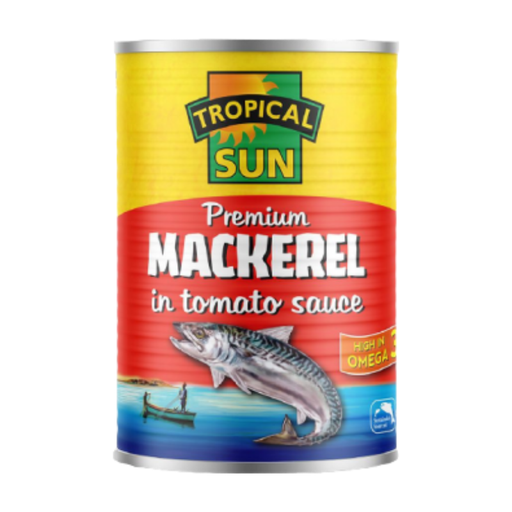
Why This Fits Their Persona: A 400g ready-to-use tin suits shoppers seeking a substantial fish-based pantry meal for toast, salads, pasta, stews or Caribbean-inspired cooking.
The product details specify the fish content, allergens, nutrition and post-opening two-day refrigeration guidance, helping buyers assess the full purchase.
Mackerel makes up 60% of the recipe; the 400g tin contains 12.3g protein per 100g and is ready to eat cold or warm.

Why This Fits Their Persona: The four-can pack is practical for regular breakfasts, student cupboards, family meals and quick toast-based lunches.
A multipack is easier to budget for than repeated single purchases, while the label clearly states the bean content, fibre and storage requirements.
Four 415g cans; suitable for vegetarians and vegans according to the supplied details; 4.8g protein and 3.9g fibre per 100g.
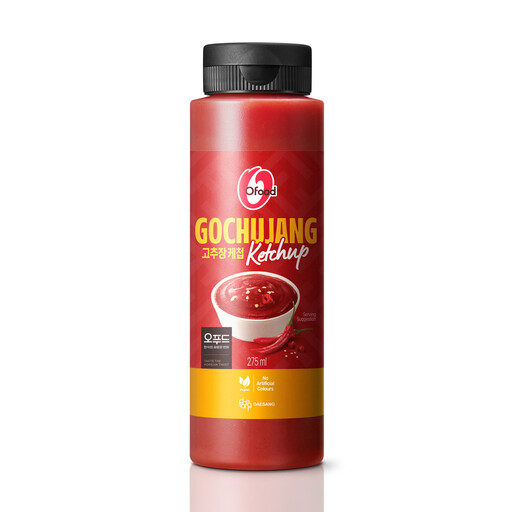
Why This Fits Their Persona: A smaller bottle suits cooks who want fermented chilli flavour for fried food, burgers, noodles, marinades and Korean-inspired dishes.
The 17.5% gochujang paste and 15.6% tomato paste are stated clearly, so shoppers can distinguish it from a conventional hot ketchup.
275ml bottle; includes fermented chilli paste, garlic, onion and soybean ingredients; suitable for adding heat and savoury depth.
We have compiled a complete, real-time list of products that fully satisfy these strict selection criteria and UK safety regulations.
Not usually. In the UK, tomato ketchup is commonly a thick, sweet condiment containing tomato concentrate, vinegar, sugar and salt. Tomato sauce may refer to a thinner cooking sauce, an international condiment or a complete tinned meal. Check the ingredients and intended use before buying.
Follow the label first. Many bottled ketchups should be refrigerated after opening and used within a stated period. Opened tinned fish and baked beans should be transferred to a suitable covered container, refrigerated and consumed within the product’s recommended timeframe.
Some baked beans, ketchups and cooking sauces are suitable for vegans, but recipes vary. Check for milk, fish, egg, honey and allergen warnings. O’Food Kimchi Ketchup and the supplied four-pack Heinz baked beans are listed as vegan in their product details; packaging remains the final reference.