
24/7 Customer Support

Free returns

Same-day & Next-day Delivery

Quality Guaranteed

Unlock Your Welcome Offers: FREE Delivery | Up to 80% OFF | Free 30-day JoyPlus trial
Download the APP
Choosing tomato sauce in the UK is not simply a matter of picking the largest bottle or the most familiar label. The same shelf can include pasta sauce, tomato ketchup, tomato purée, passata and pizza sauce, each designed for a different purpose. A product that works well with chips may be too sweet for pasta, while a concentrated purée may be unsuitable as a ready-to-use topping.
This guide explains the practical details worth checking before you buy, followed by tailored recommendations for different households and cooking habits.
Tomato purée and double concentrate are designed to add depth and colour to recipes, usually in small quantities. Passata is smoother and more fluid, making it useful for soups, stews and homemade pizza bases. A prepared Italian tomato sauce, such as tomato and basil sauce or bolognese sauce, is already seasoned and can usually be heated and mixed with pasta.
Check the usage instructions rather than relying on the word “tomato” on the front. Some products are labelled ready to use, while others require cooking or dilution.
Tomato ketchup commonly contains vinegar, sugar and salt to create its familiar sweet-and-tangy flavour. For example, the listed nutrition for Heinz Tomato Ketchup is 22.8g sugar and 1.8g salt per 100g. Chu Bang Tomato Ketchup lists 17.3g sugar and 3.00g salt per 100g. These figures are not directly comparable without considering serving sizes, so check both the per-100g and per-serving information.
Prepared pasta sauces can vary considerably too. Compare the ingredients and nutrition panel if you are choosing between a simple passata, a creamy sauce or a seasoned bolognese base.
A sauce may be suitable for vegetarians or vegans but still contain relevant allergens. Heinz Tomato Mascarpone & Grana Padano Pasta Sauce contains milk and egg, while Grace Hot Tomato Ketchup lists wheat and mustard-related allergen information. O’Food Kimchi Ketchup is described as vegan and gluten-free, but its label states that it may contain traces of fish.
Storage is another common source of waste. Many jars and cartons are ambient before opening but need refrigeration afterwards. The recommended period may be two days, three days, five days, four weeks or eight weeks, depending on the product. Always follow the packaging for the item you purchase.
Match the format to the meal:
UK food ingredients are listed in descending order by weight. A high tomato percentage can indicate that tomatoes form the main part of the recipe, but it does not automatically determine flavour or texture.
Morrisons Passata With Onion & Garlic lists tomato first, with onion and garlic providing additional seasoning. Dolmio Bolognese Original Pasta Sauce lists tomatoes at 83% and double concentrated tomato paste at 7%. Mutti Classic Pizza Sauce lists tomato at 82.4%, with water and salt. By contrast, a ketchup may include tomato concentrate alongside vinegar, sugar and salt because it is intended as a condiment rather than a neutral cooking base.
A 142g tube of double concentrate may be economical for occasional cooking because one tablespoon represents approximately 15g and the product can remain usable for up to four weeks after opening when refrigerated, according to the supplied product information. A 675g jar of lasagne or bolognese sauce is more appropriate for family cooking or batch meals.
For ketchup, consider household usage. A 910g top-down bottle may suit frequent family meals, while a 385g or 460g bottle can reduce cupboard and fridge space for smaller households. Check the bottle design too: top-down storage and squeeze dispensing can make portioning easier, but only if the format fits your kitchen routine.
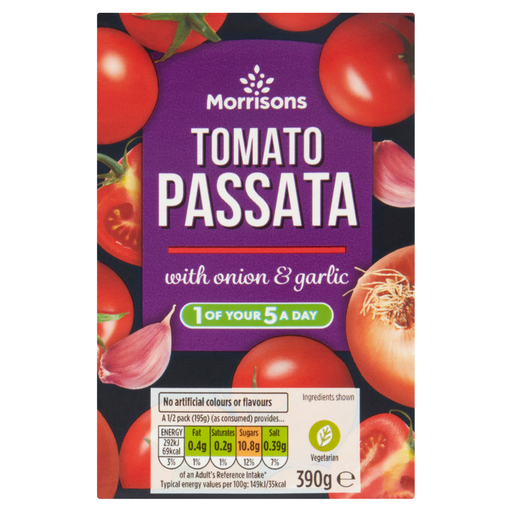
Why This Fits Their Persona: A straightforward ambient carton for everyday pasta, pizza bases and family meals, with a 390g size that suits smaller cooking sessions.
It is clearly positioned as passata rather than ketchup, and its listed nutrition includes 0.2g salt per 100g.
Suitable for vegetarians; no artificial colours or flavours listed; includes onion and garlic.
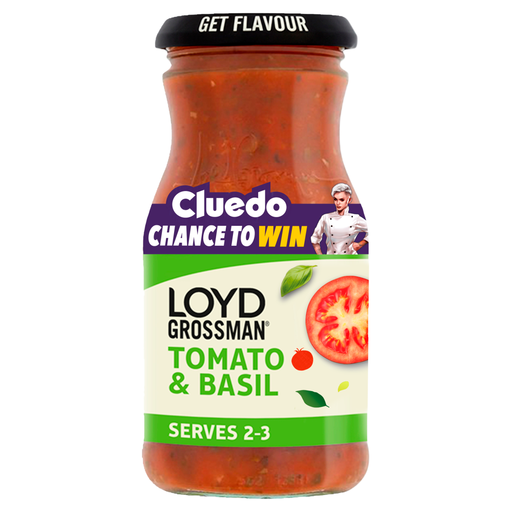
Why This Fits Their Persona: A seasoned tomato and basil sauce for shoppers wanting a convenient pasta base with garlic, basil and olive oil already included.
The ingredients and nutrition panel make the seasoning profile visible, avoiding the need to buy separate herbs for a quick meal.
Contains 60% tomatoes and 2.5% basil; no artificial colours or preservatives listed; suitable for vegetarians.
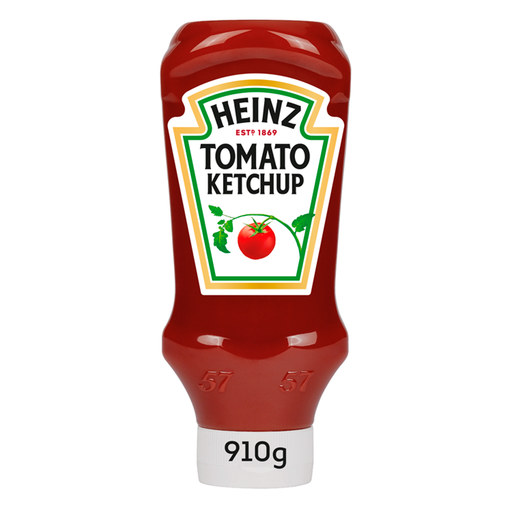
Why This Fits Their Persona: A large-format ketchup for households that regularly serve chips, burgers, sausages, barbecued food and packed lunches.
The 15g serving information helps shoppers judge sugar and salt per portion instead of focusing only on the bottle size.
910g family-size bottle; top-down format; listed as containing no artificial colours, flavours, preservatives or thickeners.
We have compiled a complete, real-time list of products that fully satisfy these strict selection criteria and UK safety regulations.
For a concentrated cooking ingredient, Napolina Double Concentrate Tomato Purée 142g contains tomatoes and citric acid, with approximately nine 15g portions per tube.
For lasagne, Dolmio Lasagne Red Tomato Pasta Sauce 675g lists tomatoes at 77% and double concentrated tomato paste at 14%. For pizza, Mutti Classic Pizza Sauce 400g is ready to spread directly onto a pizza base.
Shoppers wanting chilli can compare Loyd Grossman Tomato & Chilli Sauce 350g with Mutti Tomato & Chilli Pasta Sauce 400g. For alternative flavour profiles, O’Food Kimchi Ketchup combines kimchi with tomato paste, while Hawkshead Relish Sriracha Ketchup is listed as suitable for vegans and vegetarians.
No. Passata is generally a smooth, pourable tomato preparation used as a sauce base. Tomato purée is more concentrated and is normally added in smaller quantities to intensify recipes.
It depends on the product. Supplied examples range from two days for some creamy pasta sauces to eight weeks for certain ketchup bottles. Refrigerate opened products where the label instructs you to do so, and follow the stated consumption period.
It can be used in small amounts for sweetness and acidity, but it is not interchangeable with pasta sauce. For a more balanced cooking base, choose passata, tomato and basil sauce, tomato and chilli sauce or a dedicated bolognese sauce.