Choose a chest freezer if several containers of cooled tomato sauce and other food need bulk storage and the cottage has suitable floor space. An upright freezer makes labelled portions easier to find; choose an integrated model only after checking the cabinet opening, hinges and ventilation requirements. Whichever format you consider, check container fit, the installation conditions and the exact model’s frozen-storage performance.
Who needs which layout?
Batch-cooking cottage hosts
If you freeze several sauce portions alongside other food, start with the space your containers will actually occupy. Beko’s freezer guidance describes chest models as an option for high-capacity batch storage; a tall upright is another format to consider when accessible vertical storage matters.
Space-limited cottage owners
If the kitchen has little spare floor space or fitted cabinetry, measure the available opening before settling on an under-counter, upright or integrated format. Allow for the door or lid to open and follow the chosen model’s ventilation instructions.
Low-maintenance holiday-let managers
If guests or changeover staff need to find dated portions, compare drawer and shelf layouts rather than capacity alone. Where manual defrosting would be inconvenient, check whether the exact model has a frost-free system; Bosch describes No Frost on relevant models, not across every freezer.
What matters when choosing?
Choose the storage format first, then compare container fit and the conditions where the freezer will run. Chest, upright and integrated freezers answer different space and access needs; suitability for an unheated location is a separate, model-specific check.
Chest freezer
Choose it when: Several containers of cooled sauce need bulk storage and there is room to open the lid.
Trade-off: Portions lower in a deep compartment can take more effort to find and rotate.
Freestanding upright freezer
Choose it when: Guests or hosts need ready access to individually labelled portions.
Trade-off: Check whether the drawers accommodate larger containers before relying on the stated capacity.
Integrated freezer
Choose it when: The appliance needs to sit behind a kitchen furniture door.
Trade-off: Cabinet dimensions, hinge arrangement and ventilation requirements limit which models will fit.
| Concern |
What to check |
Who this matters to |
| Usable batch capacity |
Compare the internal layout with your portion containers, other frozen food and the space needed to open the lid or door. |
When I freeze several batches of cooled sauce, I need room for the portions without crowding out other food. Around 36% of consumers put usable batch capacity first. |
| Portion access |
Check drawer, shelf or basket dimensions and whether labelled containers remain easy to reach. |
If different people need to retrieve dated portions, I want each container to be easy to find and rotate. Easy access is the primary concern for around 29% of consumers. |
| Installation and location |
Measure the appliance space and required clearances; for an unheated location, check the exact model’s permitted ambient-temperature range. |
My available space may be tight or become cold in winter, so the freezer has to suit that particular position. Around 21% of consumers prioritise installation fit. |
| Storage and upkeep |
Compare the exact models’ energy information, frozen-storage guidance and defrosting requirements. |
When the cottage is used intermittently, I want dependable storage without an upkeep routine I cannot manage. Storage performance and maintenance come first for around 14% of consumers. |
Mistakes to avoid
-
Choosing by litres alone
A capacity figure does not tell you whether your sauce containers fit, stack or remain accessible.
Measure the containers and compare them with the internal layout, as well as the appliance footprint and opening clearance.
-
Assuming an outbuilding suits any freezer
Operating limits depend on the model. Beko’s stated low-ambient Freezer Guard capability applies to compatible models, not its entire range.
Check the manufacturer’s ambient-temperature and installation instructions against the intended location, including winter conditions.
-
Using frost-free as a shortcut for every comparison
A frost-free system addresses ice build-up; it does not establish a model’s container fit, energy use or freezing performance.
Check the defrosting system alongside the exact model’s layout, energy label and product information.
-
Overlooking how sauce is supplied to guests
Food-business obligations depend on the activity, not simply on the property being a holiday cottage. The Food Standards Agency says a food business must register with its local authority.
If sauce is prepared or supplied as part of a business, describe the arrangement to the relevant local authority and confirm which requirements apply.
Brands to consider
Beko
Beko lists chest, tall, under-counter and integrated freezer formats, making it a useful range to examine when deciding how much room the cottage can give to frozen food.
- Beko’s buying guidance identifies chest freezers with high-capacity batch storage.
- Beko’s low-ambient Freezer Guard claim is model-specific; check the documentation and installation conditions of any freezer intended for a cold location.
Bosch
Bosch lists freestanding and built-in freezers for buyers comparing an accessible upright layout with fitted-kitchen installation.
- Bosch describes No Frost as preventing ice build-up on relevant models.
- Check the chosen model’s drawers, capacity and defrosting system rather than assuming the same configuration across the range.
Miele
Miele lists freestanding freezers with model-dependent storage and freezing features.
- Miele identifies SuperFreeze and VarioRoom on particular freestanding models, including the F 4001 D.
- Check the exact model’s storage configuration and defrosting system; features listed for one model do not establish what another includes.
Chest freezers for batch storage
These Joybuy chest freezers are relevant if the cottage has floor space for batch-storing cooled tomato sauce. Compare their stated capacities with your containers, then check internal dimensions, installation conditions and frozen-storage guidance for the exact model before choosing.
 No image available
HISENSE FC386D4AWLE 297L Wide Chest Freezer
Consider this chest format when several sauce portions need to share space with other frozen food.
Stated capacity: 297 litres. Check container fit, lid clearance, defrosting requirements and the manufacturer’s guidance for the planned location.
Joybuy
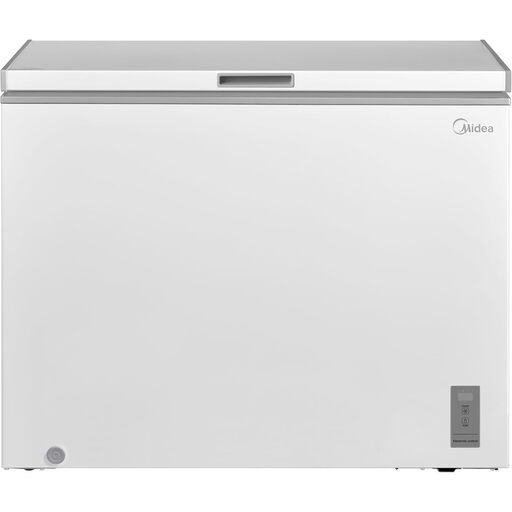 No image available
Midea MDRC345FZE01 249L Chest Freezer, E Rated
This chest format is an option for storing multiple sauce containers where floor space is available.
Stated capacity: 249 litres; E-rated in the product name. Compare internal dimensions and check the exact model’s defrosting and ambient-temperature instructions.
Joybuy
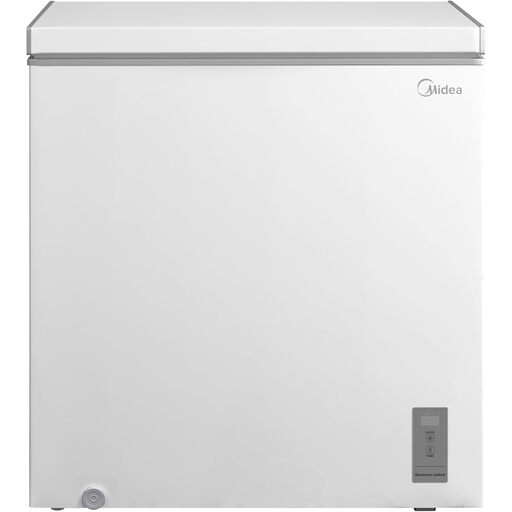 No image available
Midea MDRC284FZE01 198L Chest Freezer, E Rated
Consider this chest freezer if its storage layout accommodates your planned sauce portions and other food.
Stated capacity: 198 litres; E-rated in the product name. Check usable internal space, defrosting instructions and permitted installation conditions.
Joybuy
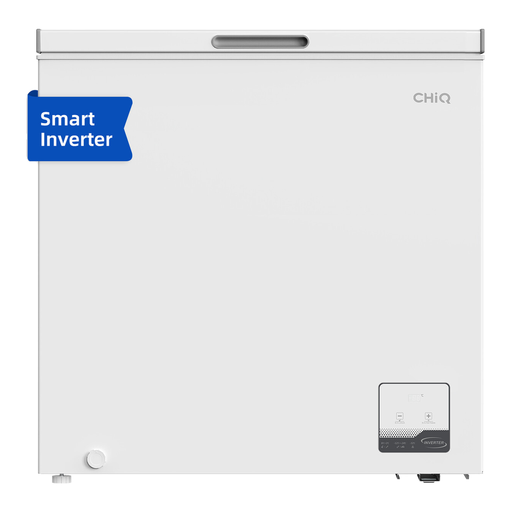 No image available
CHiQ JKR199DWE 199L Digital Inverter Chest Freezer, E Rated
This chest format may suit a measured space set aside for batches of sauce.
Stated capacity: 199 litres; Digital Inverter and E-rated in the product name. Confirm container fit, frozen-storage guidance and defrosting requirements for this model.
Joybuy
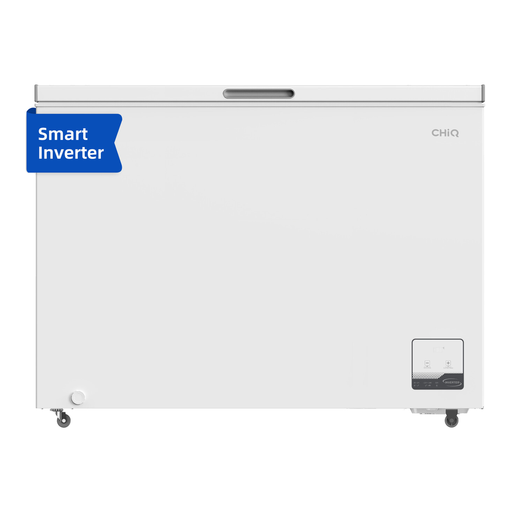 No image available
CHiQ JKR299DWE 299L Digital Inverter Chest Freezer
Consider this chest format when the cottage needs room for a larger batch alongside other frozen food.
Stated capacity: 299 litres; Digital Inverter in the product name. Measure the containers and available floor space, and check the model’s storage and installation instructions.
Joybuy
Common questions
What freezer temperature should I check for stored tomato sauce?
Check that the chosen freezer can maintain an appropriate frozen-storage temperature in its intended location. Which? advises keeping frozen food below −16°C; FoodSafety.gov gives 0°F (−18°C) or below for continuous frozen storage and distinguishes food safety from changes in quality over time. Follow the exact appliance’s temperature and loading instructions when adding cooled portions.
Can I put the freezer in an unheated outbuilding?
Only choose an outbuilding location if the exact model is approved for its expected ambient temperatures and installation conditions. Beko states that compatible Freezer Guard models can operate at an ambient temperature of −15°C; that claim does not apply to every freezer.
Is frost-free useful in a holiday cottage?
A frost-free model is worth considering when manual defrosting would be difficult to schedule. Bosch says No Frost prevents ice build-up on relevant models, but you should still compare container space, energy information and the exact model’s instructions.
Does supplying tomato sauce to paying guests require food-business registration?
Registration applies if the activity is a food business; a paid holiday stay alone does not establish how a particular sauce-supply arrangement is classified. The Food Standards Agency says food businesses must register with their local authority, so describe what you prepare and supply to that authority before relying on a conclusion for your cottage.


