Gym-goers who want a fizzy soft drink
A small can may appeal when you want something fizzy with a snack rather than an alcoholic drink. For replacing fluid lost through physical activity, the NHS recommends water.


For a fizzy drink with a gym-bag snack, an individual can of tonic is easier to carry than an opened multi-serve bottle; compare its sugars and serving size rather than relying on a ‘light’ name. If you need to replace fluid lost through exercise, the NHS recommends water, and if you mix tonic with an alcohol-free alternative, check that separate drink’s alcohol by volume (ABV).
A tonic can be a snack-time soft drink, but whether it belongs in your bag depends on what you want to drink and when.
A small can may appeal when you want something fizzy with a snack rather than an alcoholic drink. For replacing fluid lost through physical activity, the NHS recommends water.
If you like tonic’s quinine flavour, compare the nutrition panels by serving and per 100ml. A lighter-sounding product name does not establish that it contains no sugar.
An ordinary soft-drink mixer is different from an alcohol-free spirit, beer or wine. Drinkaware notes that some drinks marketed as alcohol-free contain a small amount of alcohol, so check the ABV of anything you add to the mixer.
Decide whether this is a snack-time drink, something to mix with another product, or a drink for after exercise. Then compare the exact pack’s label and format.
| Priority | What to check | Your needs |
|---|---|---|
| Alcohol content | Identify each component of the drink. If adding an alcohol-free spirit or another alcohol alternative, read its stated ABV; Drinkaware notes that some alcohol-free alternatives contain a small amount of alcohol. | I need to know the alcohol content of the whole drink, not just that the tonic is sold as a soft-drink mixer. |
| Sugars and calories | Compare like-sized servings as well as per-100ml figures. ASDA Groceries lists Schweppes Slimline at 3 kcal and 0g sugars per 150ml; Sainsbury’s lists its Diet Indian Tonic at 2 kcal and less than 0.5g sugars per 100ml. Check ingredients if sweeteners matter to you. | A lower-calorie tonic might suit me, but I do not want to mistake ‘light’ for sugar-free. |
| Pack and storage | Check whether the pack contains individual cans or a multi-serve bottle. Sainsbury’s says to refrigerate its 1L Diet Indian Tonic after opening and use it within 3 days. | For one drink at the gym, I would rather carry a sealed serving than take an opened bottle that needs refrigerating afterwards. |
| After-exercise drinks | Keep the purpose of the drink in mind: the NHS recommends water to replace fluid lost through physical activity. Treat tonic as a separate snack-time drink or mixer. | After sweating, I want water available even if I also pack a fizzy drink for my snack. |
Drinkaware notes that some alcohol-free alternatives contain a small amount of alcohol. The wording on one component does not establish the ABV of a mixed drink.
Check the current label of any spirit, beer, wine or ready-to-drink alternative you intend to use with the tonic.
A mixer may be enjoyable with a snack, but the NHS recommends water for replacing fluid lost through physical activity.
Pack water for that purpose and take tonic only if you also want a fizzy soft drink or mixer.
A calorie comparison with a regular tonic does not tell you that a lighter version contains 0g sugars.
Read the sugars figure and ingredients on the exact pack. ASDA Groceries lists 0g sugars per 150ml for Schweppes Slimline; Fever-Tree’s Refreshingly Light range lists fructose among its ingredients.
A multi-serve bottle leaves you with tonic to store after the gym. Sainsbury’s instructs buyers to refrigerate its 1L Diet Indian Tonic after opening and use it within 3 days.
For a single occasion, consider a sealed can; choose the larger bottle when its storage instructions fit your plans.
These references describe particular tonic products or ranges, not every drink made by each brand.
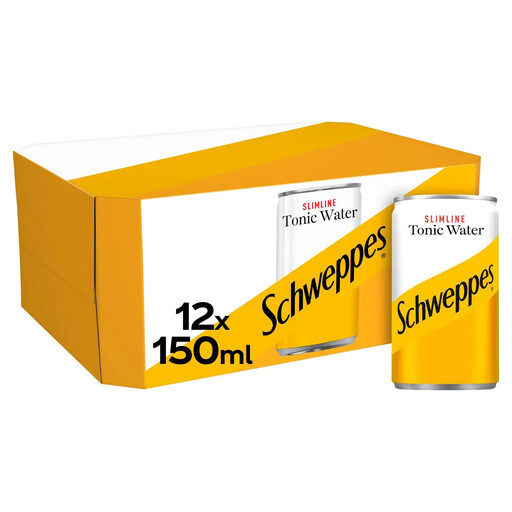
Slimline Tonic Water is listed by ASDA Groceries in 150ml cans.
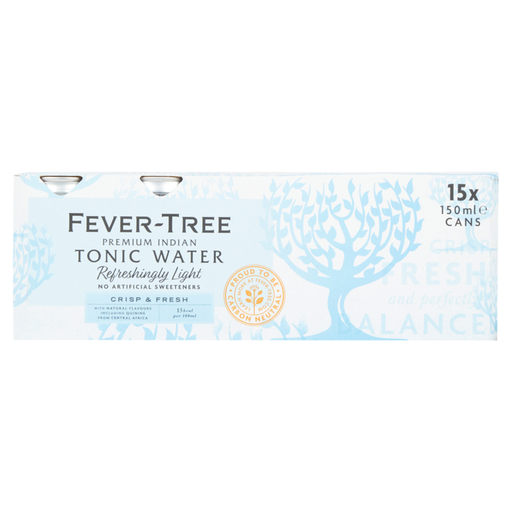
Refreshingly Light Indian Tonic is a tonic option available in cans.
Premium Indian Tonic Water offers a different flavour-led option for shoppers considering tonic with a snack.
Diet Indian Tonic Water is listed in a 1L bottle, a format to consider for use at home rather than one gym-bag drink.
Tesco Groceries lists own-label low-calorie Indian tonic in 1L bottles, including lemon and lime versions.
Britvic’s company-wide drinks information does not identify a particular tonic for this gym-bag decision.
These individual-can tonics suit the snack-time mixer question. Neither replaces water when your aim is to replace fluid lost through exercise.
 No image available
The individual cans suit a single tonic drink with a gym-bag snack. ASDA Groceries lists this 150ml can at 3 kcal and 0g sugars; its ingredients include aspartame and quinine. If you require confirmation of zero alcohol, check the current pack label.
 No image available
The 150ml cans offer an individual portion for a snack-time tonic. This Refreshingly Light variant lists fructose, so check the current sugars figure rather than treating its name as a sugar-free claim. Check the pack’s alcohol information if confirmation of zero alcohol is essential.
No: the other ingredients in the serve matter too. Drinkaware distinguishes soft-drink mixers from alcohol-free alternatives and notes that some of those alternatives contain a small amount of alcohol. Check the current label and ABV of every component if you need to avoid alcohol completely.
Choose water when the purpose is replacing fluid lost through physical activity, as the NHS recommends. Tonic can be a separate fizzy drink with your snack.
No. ASDA Groceries lists Schweppes Slimline at 0g sugars per 150ml, while Fever-Tree’s Refreshingly Light formulation lists fructose. Read the nutrition and ingredient information for the exact product you are buying.
Follow that bottle’s storage instructions. For its 1L Diet Indian Tonic, Sainsbury’s says to refrigerate after opening and use within 3 days; an individual can avoids storing an opened bottle after a single gym-bag drink.
The Department of Health and Social Care’s 2018 UK guidance describes ‘low alcohol’ as 1.2% ABV or below and calls for the maximum ABV to appear on the label when that descriptor is used. It does not tell you the ABV of another drink added to a mixer, so check each component separately.