Who is choosing the drinks?
The right selection depends on whether you are planning for varied tastes, choosing a particular tonic style or managing drinks service for attendees.
Meeting organisers serving mixed preferences
Offer a clearly alcohol-free choice that does not assume everyone likes tonic bitterness. The World Health Organization Regional Office for Europe notes that alcohol at professional gatherings can create discomfort and exclusion; a neutral drink gives guests another option without making alcohol part of the refreshment plan.
Office buyers choosing tonic for a meeting
Compare a classic tonic with more pronounced botanical or citrus styles, then decide whether individual portions or shared bottles suit the expected attendance. Check the exact product’s ingredients and nutrition panel rather than relying on a premium or light label.
Caterers managing drink information
Keep current ingredient and allergen information available, particularly when drinks are poured or served without their original packaging. Food Standards Agency guidance for food businesses in England and Food Standards Scotland guidance both address allergen information for prepacked and non-prepacked food and drink.
What matters when choosing mixers?
Decide which drinks guests can choose from before settling on a brand; then check the formulation and pack format of each option.
| Priority |
What to check |
Your needs |
| Alcohol-free choice |
Include a drink that can be served on its own without alcohol. If tonic is offered, check whether there is also a neutral, non-tonic option. |
I want guests to have a straightforward alcohol-free drink, even if they do not enjoy tonic’s bitterness. |
| Flavour |
Compare neutral soda with quinine-based tonic. For a more distinctive tonic, read the stated citrus and botanical ingredients rather than assuming all premium varieties taste alike. |
A familiar tonic may suit part of the meeting, but I would offer a plainer alternative if choosing a citrus- or botanical-led variety. |
| Sugar and sweeteners |
Read sugars and energy per 100ml on the exact nutrition panel, then check the ingredient list for the sweetening ingredients. Do not treat “light”, “diet” and “sugar-free” as interchangeable. |
If someone requests a particular formulation, I need to check the product itself—not choose by the wording on the front of the pack. |
| Portions and storage |
Match 150–200ml individual serves or 500ml–1L shared bottles to expected use. For shared bottles, check the product’s instructions for refrigeration and use after opening. |
Individual portions make sense when attendance is uncertain; with shared bottles, I need a plan for what remains after the meeting. |
| Ingredients and allergens |
Check the current pack or supplier information for each drink, especially if it will be decanted. Keep the information accessible to whoever serves attendees. |
I need to be able to answer ingredient and allergen questions about the drinks actually being served. |
Brands and ranges to compare
These references illustrate different tonic, soda and pack-format choices; each decision still rests on the exact drink and variant.
Fever-Tree
A reference point for comparing a conventional Indian tonic with a separate soda-water option.
- Fever-Tree describes its Premium Indian Tonic as containing quinine and Mexican bitter-orange oils.
- That description applies to the named tonic, not every Fever-Tree variant; check the product selected for the meeting.
Fentimans
Its Connoisseurs Tonic is an option to compare when a botanical tonic is wanted alongside a plainer drink.
- Fentimans describes Connoisseurs Tonic as an infusion of botanicals and quinine.
- Do not assume a botanical tonic will suit guests who prefer an unflavoured refreshment.
Schweppes
Its tonic and soda ranges give organisers different formulations to compare rather than one brand-wide choice.
- Coca-Cola Great Britain lists Schweppes Soda Water separately from its tonic varieties.
- Its Signature Light Tonic lists sugars, so check the exact variant if sugar content or sweetener ingredients matter.
Britvic
Britvic identifies both Britvic mixers and The London Essence Company within its portfolio.
- A Sainsbury’s listing describes The London Essence Original Indian Tonic with citrus extracts and juniper essence.
- A portfolio connection does not give every Britvic drink the same ingredients or flavour profile.
Tesco
Tesco Finest tonic listings provide own-label formats to compare with branded options.
- Tesco Groceries lists its Finest Indian Light Tonic as six 200ml bottles; its product page gives 33kcal and 7.9g sugars per bottle.
- Use the current label and product listing when choosing a variant or planning an order.
Sainsbury's
Its listings allow comparison between an own-label diet tonic and branded mixer formats.
- Sainsbury’s describes its Diet Indian Tonic Water 1L as a low-calorie tonic with sweeteners.
- An own-label diet tonic should not be assumed to have the same flavour or ingredients as a botanical tonic.
Joybuy tonic options
These individually sized tonic packs cover slimline, light, Indian and Mediterranean styles for a meeting drinks selection. They are tonic choices, so consider a separate neutral drink for guests who do not want tonic.
 No image available
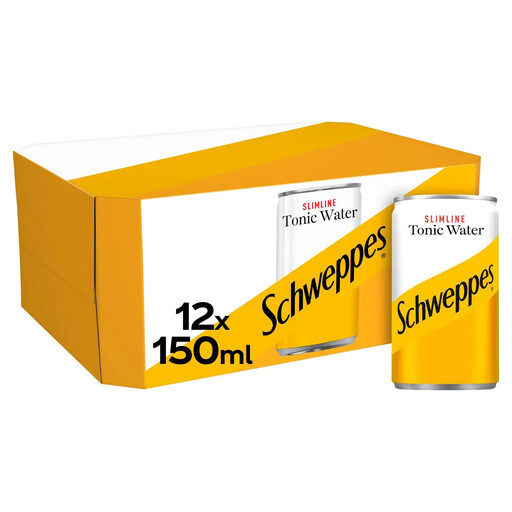
Schweppes Slimline Tonic Water 12 x 150ml
The 12 x 150ml pack provides individual tonic portions for a meeting. If the slimline formulation matters to attendees, check the current pack’s sugars, sweeteners and ingredient information before serving.
View on Joybuy
 No image available
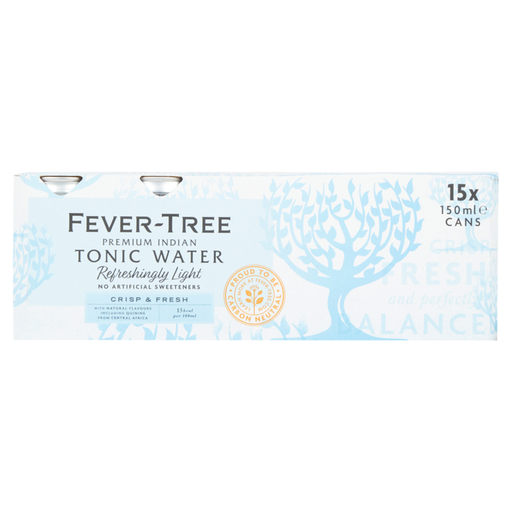
Fever-Tree Refreshingly Light Premium Indian Tonic Water 15 x 150ml
This 15 x 150ml pack is an individually portioned Indian tonic option. Check its current nutrition panel and ingredients if a request concerns sugar or a particular sweetener; “Light” does not, by itself, mean sugar-free.
View on Joybuy
 No image available
Fever-Tree Indian Tonic Water 8 x 150ml
The 8 x 150ml pack provides individual Indian tonic portions. Joybuy’s description lists sugar among the ingredients; use the current pack label for the nutrition and ingredient information needed at service.
View on Joybuy
 No image available
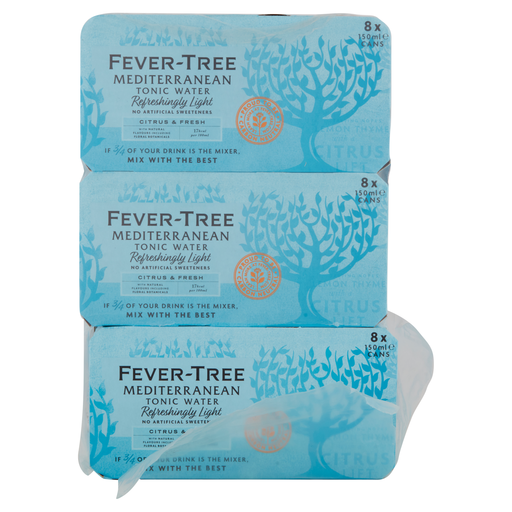
Fever-Tree Refreshingly Light Mediterranean Tonic Water 8 x 150ml
The 8 x 150ml format suits a smaller selection of individual tonic portions. Offer this Mediterranean variant alongside a plainer refreshment rather than assuming every guest wants a flavoured tonic, and check the current ingredients and nutrition panel.
View on Joybuy
 No image available
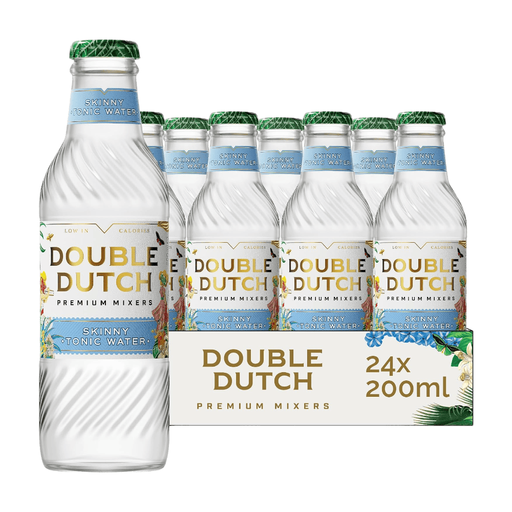
Double Dutch Skinny Tonic 24 x 200ml
The 24 x 200ml pack offers individual tonic portions when a larger number of serves is planned. Do not read “Skinny” as a guarantee that it is sugar-free; check the current pack’s ingredients and nutrition panel, including its energy figure, before making a nutrition comparison.
View on Joybuy
Questions about serving mixers
Should work meeting refreshments be alcohol-free?
An alcohol-free drinks selection avoids making alcohol part of the default meeting service. The World Health Organization Regional Office for Europe notes that alcohol in professional settings can create discomfort and exclusion. If alcohol is offered, make alcohol-free drinks clearly available too.
Is tonic enough as the only alcohol-free drink?
Not for a meeting where guests may have different flavour preferences. Tonic contains quinine and has a bitter profile, while some varieties add citrus or botanical notes. Put out a neutral option such as soda water as well.
How can I choose a tonic for a sugar or sweetener preference?
Check the exact product’s nutrition panel and ingredient list together. “Light” and “diet” identify different products, not one shared recipe, so confirm both the sugar figure and the sweetening ingredients on the pack you will serve.
What allergen information should a workplace caterer have for mixers?
Keep current product-specific allergen information available, including for drinks served without their original packaging. Food Standards Agency guidance for food businesses in England and Food Standards Scotland guidance say allergen information must be provided for both prepacked and non-prepacked food and drink.
Can an opened large tonic bottle be kept after the meeting?
Follow the storage period on that bottle’s current label. Tesco Groceries’ reviewed 500ml Finest tonic page instructs customers to refrigerate it after opening and consume it within three days; instructions for another product may differ.


