
24/7 Customer Support

Free returns

Same-day & Next-day Delivery

Quality Guaranteed

Unlock Your Welcome Offers: FREE Delivery | Up to 80% OFF | Free 30-day JoyPlus trial
Download the APP
Buying tonic water for a Friday-night gin and tonic, a summer barbecue or a well-stocked drinks cupboard should be straightforward. Yet packaging can make similar-looking products seem very different, while important details such as sugar, serving size and sweeteners are easy to overlook.
The main buying traps are usually:
Before selecting a pack, check the label, format and intended serving style rather than relying on words such as “premium” or “refreshing”.
For a standard mixed drink, a common ratio is 50ml of spirit to 150ml of mixer. This means the tonic water makes up most of the drink, so its nutritional information matters.
Compare the figures per 100ml, not only per can. For example:
A product described as low-calorie tonic water may use sugar, fruit sugar or an artificial sweetener. Read the ingredients if your priority is avoiding a particular sweetener rather than simply reducing calories.
Indian tonic water is a versatile choice for classic gin and tonics, vodka mixers and simple serves with plenty of ice. Its quinine bitterness and citrus notes provide a recognisable profile.
Mediterranean tonic water typically works well with citrus-led or herbaceous gins. Fever-Tree’s Mediterranean option uses natural flavourings, quinine and oils from botanicals associated with the Mediterranean. It contains no artificial flavours or sweeteners according to the supplied product information.
A premium tonic water is not automatically suitable for every drink. Consider the spirit first: a strongly botanical gin may need a restrained mixer, while a straightforward London Dry Gin can work with either a classic Indian style or a lighter botanical profile.
Individual 150ml cans are practical when making one drink at a time. They help reduce waste and provide a consistent mixer-to-spirit ratio. Larger multipacks can suit regular home use, parties and shared occasions.
For convenience, a ready-to-drink gin and tonic removes the need for measuring, ice and separate mixers. However, you cannot adjust the gin-to-tonic ratio, sweetness or garnish in the same way as you can with a drink mixed at home. Check the alcohol percentage and units before buying.
Any alcoholic option is for adults aged 18 and over. Drink responsibly, and remember that UK guidance advises adults who drink regularly not to exceed 14 units per week. Alcohol should be avoided during pregnancy.
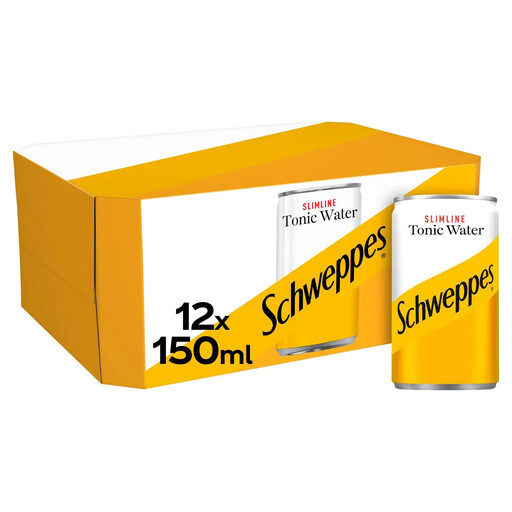
Why This Fits Their Persona: A 12-pack of 150ml cans gives new home cocktail makers a convenient supply for individual serves, without committing to larger bottles.
The pack uses clearly portioned cans and lists 2 kcal per 100ml, making serving size and calorie comparison straightforward.
150ml cans; 2 kcal per 100ml; suitable for a classic gin and tonic or other spirit mixers.

Why This Fits Their Persona: A useful option for shoppers who want a classic mixer with natural flavourings and a botanical character for considered home serves.
Its ingredient list identifies sugar, natural flavourings and quinine, so buyers can assess the flavour and calorie trade-off rather than relying on premium wording alone.
150ml format; 36 kcal per 100ml; no artificial flavours or sweeteners according to the supplied product details.
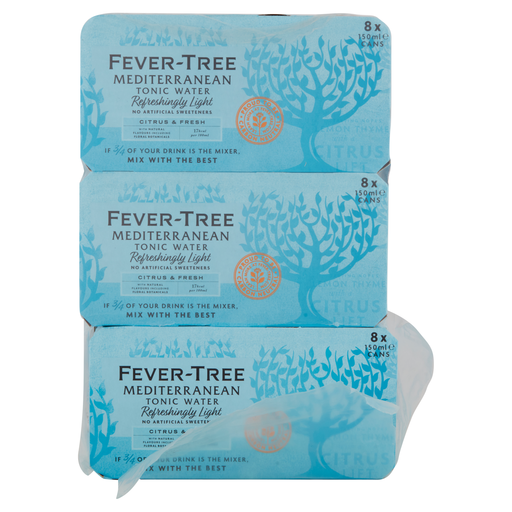
Why This Fits Their Persona: Suitable for regular mixers who want a lighter Mediterranean-style profile for citrus or herbaceous gins during meals and social occasions.
The 150ml cans make individual portions easier to manage, while the per-100ml nutrition panel prevents confusion about the meaning of “light”.
17 kcal per 100ml; 8 x 150ml pack; no artificial flavours or sweeteners according to the supplied product information.
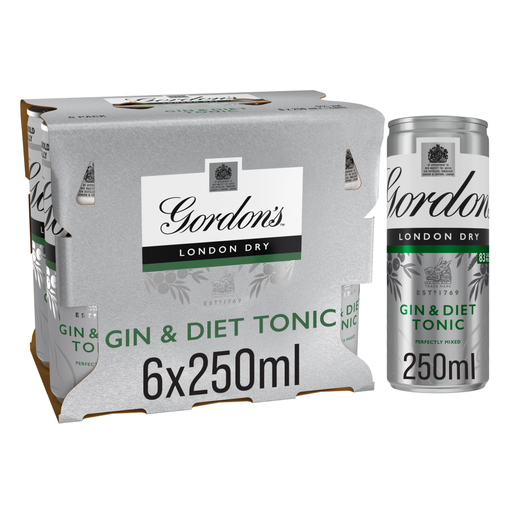
Why This Fits Their Persona: A ready-to-drink gin and tonic for picnics, gatherings or evenings when measuring separate ingredients is inconvenient.
The can states the drink is pre-mixed, 5.0% ABV and 1.25 alcohol units, so the alcohol content is visible before serving.
250ml cans; 83 calories per can; serve chilled or over ice without separate mixing.
We have compiled a complete, real-time list of products that fully satisfy these strict selection criteria and UK safety regulations.
Not necessarily. Many slimline products use sweeteners and may contain little or no sugar, but recipes differ. Check the ingredients and nutrition panel for sugar, carbohydrate, aspartame or other sweeteners. Schweppes Slimline Tonic Water, for example, contains aspartame and a source of phenylalanine.
A commonly used starting point is 50ml gin with 150ml tonic water, or a one-to-three ratio. Adjust it to taste, but remember that a larger mixer serving changes the drink’s overall calorie, sugar and alcohol balance.
Keep unopened cans or bottles in a cool, dry place and chill before serving. Once opened, tonic water gradually loses carbonation, so it is generally more practical to use individual cans when making occasional drinks. Always check the pack for its best-before information and storage instructions.