For an ordinary or easier ride, plain soda water is a sparkling option when you do not need carbohydrate from your drink; the NHS suggests sparkling water if you dislike plain water. Flavoured low-calorie soda water is a choice for taste, but do not treat the sugar in tonic water as a substitute for a cycling fuel plan. For a long or demanding ride, plan fluids, carbohydrate and electrolytes for the conditions rather than relying on a mixer.
Who is each drink choice for?
The useful distinction is whether the drink is simply for fluid intake and flavour, or whether you expect it to contribute to a ride-fuelling plan.
Riders who want fizz on easier days
If you want a sparkling alternative to still water around an ordinary or easier ride, plain soda water is a choice to consider. The NHS suggests sparkling water for people who dislike plain water; Tesco and Schweppes soda waters each list 0 g carbohydrate and sugars per 100 ml.
Long-ride and sportive cyclists
If your ride calls for planned carbohydrate and electrolyte intake, do not select a mixer merely because it is sparkling or contains some sugar. British Cycling discusses water alongside carbohydrate- and electrolyte-containing drinks for longer event rides.
Riders choosing by flavour and ingredients
If lime or botanical flavours matter to you, compare the ingredient list as well as the nutrition panel. Tesco Low Calorie Soda Water With Lime lists less than 0.1 g sugars per 100 ml, but also contains lime juice, acesulfame K and sucralose; it is a different choice from plain soda water.
What should you check before choosing?
Decide first whether you want sparkling refreshment or a drink that forms part of your ride-fuelling plan. Then compare carbohydrate per 100 ml, ingredients and the bottle format.
| Priority |
What to check |
Your needs |
| Plain fizz |
Check that the product is plain sparkling water or soda water, then read carbohydrate and sugars per 100 ml. Tesco and Schweppes soda waters each list 0 g of both per 100 ml. |
I want bubbles around an easier ride without depending on my drink for carbohydrate. |
| Ride fuelling |
Check carbohydrate per 100 ml and whether a drink is intended to contribute electrolytes. In its sports-drink guidance, British Cycling describes isotonic drinks as containing approximately 5–8 g carbohydrate per 100 ml; that figure alone does not establish that another drink has the same formulation. |
On a long or demanding ride, I need to plan what my drinks and food contribute rather than count incidental sugar in a mixer as ride fuel. |
| Flavour and ingredients |
Compare the ingredient list with the nutrition panel. Tesco's lime soda water lists less than 0.1 g sugars per 100 ml and contains sweeteners; Fentimans Premium Indian Tonic Water lists 4.4 g sugars per 100 ml. |
I would enjoy lime or a bitter tonic flavour, but the sweeteners or sugar may affect which bottle I choose. |
| Bottle format |
Check the volume of each bottle, the pack quantity and the instructions for storage after opening. A larger bottle and an individual-sized bottle suit different ways of carrying and serving a drink. |
Will I take a bottle with me, or pour sparkling water at home before or after a ride? |
Common buying mistakes
-
Counting any sweet mixer as ride fuel
Sugar content does not establish that a mixer is formulated as an isotonic or electrolyte drink. Fentimans lists 4.4 g carbohydrate per 100 ml for its Premium Indian Tonic Water; British Cycling describes isotonic sports drinks as containing approximately 5–8 g per 100 ml.
For a long or demanding ride, work out what you need from fluids, food and any sports drink instead of assuming tonic water fills every role.
-
Equating low-calorie flavoured soda with plain water
Tesco Low Calorie Soda Water With Lime lists lime juice, sweeteners, citric acid and a preservative. Its ingredients differ from Tesco's plain soda water, which lists carbonated water and sodium bicarbonate.
Read both labels: choose by the flavour and ingredients you actually want, not the front-of-pack description alone.
-
Relying on an old product listing
A specific sugar or ingredient preference depends on the product you receive, not just the description you read while browsing.
Check the current pack's nutrition panel, ingredients, date and availability before buying for a particular ride.
-
Overlooking instructions after opening
Bottle size matters if you plan to use only part of a sparkling drink at a time.
Choose a format that suits how you will use it, and follow that bottle's opening and storage instructions.
Brand and product-line references
Compare the specific soda water or tonic, not the brand name alone: products under one name can have different ingredients and carbohydrate values.
Fever-Tree
Its Premium Soda Water and Indian Tonic Water represent different drink choices.
- Sainsbury's lists less than 0.1 g carbohydrate and sugars per 100 ml for Fever-Tree Premium Soda Water.
- Fever-Tree lists sugar in its Premium Indian Tonic Water, so the tonic should not be treated as equivalent to its soda water.
Schweppes
Its Soda Water is a plain sparkling mixer to compare with other unflavoured options.
- Tesco lists 0 g carbohydrate and sugars per 100 ml for Schweppes Soda Water.
- Those figures do not make it a carbohydrate source for ride fuelling.
Fentimans
Its tonic range is relevant when bitter or botanical flavour is the reason for choosing a mixer.
- Fentimans lists several tonic options, including Premium Indian Tonic Water and Naturally Light Tonic Water.
- Fentimans lists 4.4 g carbohydrate and 4.4 g sugars per 100 ml for Premium Indian Tonic Water; check the particular tonic rather than assuming every variant has the same values.
Britvic
Britvic identifies mixers as one part of its drinks range and lists Gatorade separately as a sports-drink brand.
- The distinction helps you identify whether you are comparing a conventional mixer or a sports drink.
- Choose by the specific product's ingredients and nutrition information; the Britvic name alone does not establish its cycling use.
Tesco
Its own-label plain and lime-flavoured soda waters offer two different ingredient profiles.
- Tesco Soda Water lists 0 g carbohydrate and sugars per 100 ml.
- Tesco Low Calorie Soda Water With Lime lists less than 0.1 g sugars per 100 ml but contains sweeteners and other flavouring ingredients.
Sainsbury's
Its own-label Soda Water is another plain sparkling option.
- Sainsbury's lists carbonated water and sodium hydrogen carbonate as ingredients, with less than 0.5 g carbohydrate and sugars per 100 ml.
- Check the current pack and availability when choosing this particular product.
Sparkling water options on Joybuy
These bottles are sparkling-water options for the fizz side of the decision, rather than tonic mixers or a planned sports-drink strategy. Compare their pack sizes and check the current label if you need a particular carbohydrate or sugar value.
 No image available
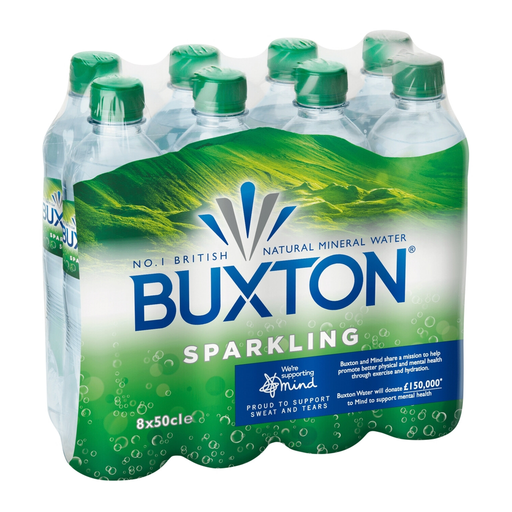
Buxton Sparkling 8 × 500 ml
Consider this sparkling-water pack when you want fizz around an ordinary or easier ride. It contains eight 500 ml bottles; check the current label if you are choosing to meet a specific carbohydrate or sugar target. Do not rely on sparkling water alone for a planned long-ride fuelling strategy.
View on Joybuy
 No image available
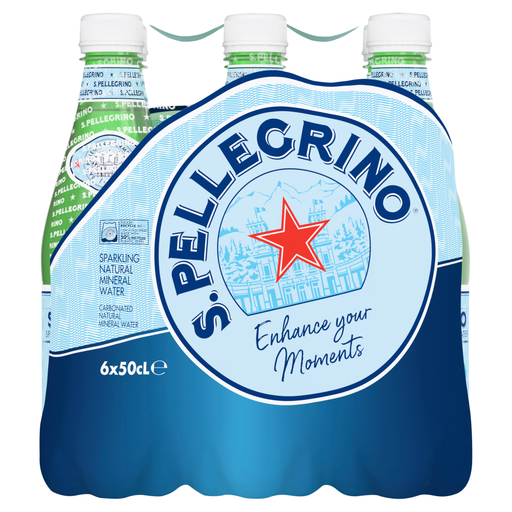
San Pellegrino Sparkling Natural Mineral Water 6 × 0.5 L
This sparkling mineral water comes as six 0.5 L bottles, a format to consider if you prefer smaller individual bottles. Check the pack's nutrition and storage instructions for your intended use; choose ride fuel separately when your cycling plan calls for it.
View on Joybuy
 No image available
San Pellegrino Sparkling Natural Mineral Water 6 × 1 L
Choose this six-bottle, 1 L format to compare with smaller bottles if you expect to pour sparkling water at home. Follow the pack's instructions after opening, and check its nutrition panel rather than counting it as part of a carbohydrate or electrolyte plan without reading the label.
View on Joybuy
 No image available
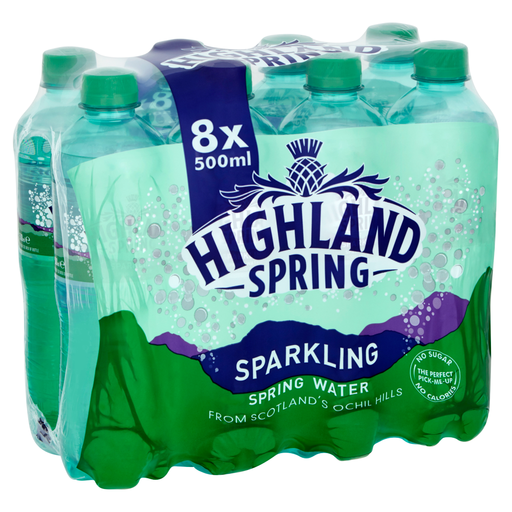
Highland Spring Sparkling Spring Water 8 × 500 ml
This is a sparkling alternative to still water around an ordinary ride, supplied as eight 500 ml bottles. If carbohydrate or sugar figures matter to your choice, check the current bottle label; also follow its instructions after opening.
View on Joybuy
 No image available
Highland Spring Sparkling Spring Water 6 × 1 L
Consider the six 1 L bottles if a larger at-home sparkling-water format suits how you pour and store drinks. Check the current nutrition panel for any carbohydrate or sugar target, and follow the bottle's storage instructions after opening.
View on Joybuy
Questions about sparkling drinks and cycling
Can I drink soda water around a ride?
Yes, if you want a sparkling alternative to still water and are not expecting that drink to provide ride fuel. The NHS suggests sparkling water for people who dislike plain water, while Tesco and Schweppes soda waters each list 0 g carbohydrate and sugars per 100 ml. Plan carbohydrate and electrolytes separately when your ride calls for them.
Can tonic water replace an isotonic sports drink on a long ride?
Do not assume it can. British Cycling describes isotonic sports drinks as containing approximately 5–8 g carbohydrate per 100 ml; Fentimans lists 4.4 g per 100 ml for its Premium Indian Tonic Water, which is a tonic mixer. Choose your fluids and fuel according to the ride's duration and conditions rather than the presence of sugar alone.
Should I choose plain or lime-flavoured soda water?
Choose according to the ingredients and flavour you want. Tesco Soda Water lists carbonated water and sodium bicarbonate, whereas Tesco Low Calorie Soda Water With Lime also lists lime juice, sweeteners, citric acid and a preservative. Check the current labels if you have a particular sugar or ingredient preference.
What should I check when opening a larger soda-water bottle?
Follow the instructions on that bottle for opening, refrigeration and use after opening. If you will only pour a small amount at a time, compare the bottle size with how quickly you expect to use it.


