Snack-time tonic drinkers
If you plan to drink tonic without alcohol, its citrus, botanical or bitter notes may matter more than they would in a mixed drink.


Choose a botanical tonic when you want citrus, herbal notes or quinine bitterness to be part of the afternoon drink itself. A light or slimline variant is worth comparing if sugar and calories matter to you, while a standard tonic offers a more familiar option; check the exact variant’s nutrition, ingredients and pack size rather than assuming that premium means lower sugar.
If you plan to drink tonic without alcohol, its citrus, botanical or bitter notes may matter more than they would in a mixed drink.
If you want a botanical tonic but also watch sugar, compare standard and light versions separately. Their nutrition and use of sweeteners can differ.
A larger bottle may suit repeated snack occasions, provided you can follow its storage instructions after opening.
Start with the flavour you want to drink, then compare the exact variant’s label and the amount you expect to pour.
| Priority | What to check | Your needs |
|---|---|---|
| Flavour | Look for botanical or citrus ingredients if you want those notes. Check whether you want quinine’s characteristic bitterness: an elderflower soda and a tonic are different drinks. | I want enough flavour to enjoy a chilled glass on its own, rather than choosing a mixer solely for a spirit. |
| Sugar and calories | Compare figures per 100ml and the size of your glass. Sainsbury’s lists 8g sugar per 100ml for Fever-Tree Premium Indian Tonic, while Fentimans lists 4.4g for its Premium Indian Tonic; these are figures for those specific products. | For a regular afternoon drink, I want to know what is in the portion I will actually have. A light label alone does not tell me whether it contains sugar. |
| Ingredients | Read the exact variant’s ingredient list for sweeteners, fructose and quinine. A slimline tonic need not use the same ingredients as a standard or a light botanical tonic. | Sweetener choice matters to me, so I would check the label instead of treating all lighter tonics as interchangeable. |
| Pack format | Check the serving size and the instructions after opening. Tesco and Sainsbury’s say their listed 1L Indian tonics should be refrigerated and used within three days of opening. | A small can suits an occasional single drink; I would consider a larger bottle when several servings will be used within its stated storage window. |
Premium describes a product’s positioning, not its nutrition. Sainsbury’s lists 8g sugar per 100ml for Fever-Tree Premium Indian Tonic, while Fentimans lists 4.4g for its Premium Indian Tonic.
Compare the specific flavour and variant per 100ml, then consider how much you will drink.
Fever-Tree Refreshingly Light and Fentimans Naturally Light still list sugar. Sainsbury’s describes Schweppes Slimline as containing no sugar and lists sweetener among its ingredients.
Check both nutrition and ingredients if sugar or a particular sweetener affects your choice.
Tesco and Sainsbury’s instruct shoppers to refrigerate their listed 1L Indian tonics and use them within three days of opening.
If you drink tonic only occasionally, compare that storage window with a smaller sealed serving before choosing a pack.
These brand examples illustrate differences between specific UK-listed variants, not every drink in each range.
Its listed Premium Indian Tonic is a botanical, quinine-containing option; Refreshingly Light is a separate variant.
Its Premium Indian Tonic lists fermented botanical extracts and quinine.
Standard and Slimline tonics offer different ingredient and nutrition profiles.
Britvic has described classic and zero-sugar Indian Tonic Water in canned formats.
Its listed Indian Tonic Water is a 1L own-label option.
Its listed 1L Indian tonics include standard and diet variants.
These options include botanical, light, slimline and standard tonics, plus an elderflower fizzy drink that is not a tonic. Choose by the flavour and serving format you want, then check the individual product information.
 No image available
Consider this tonic if botanical notes and quinine bitterness appeal in an individual afternoon serving. Sainsbury’s lists 8g sugar and 36kcal per 100ml for this eight-can variant, so compare those figures with the amount you plan to drink.
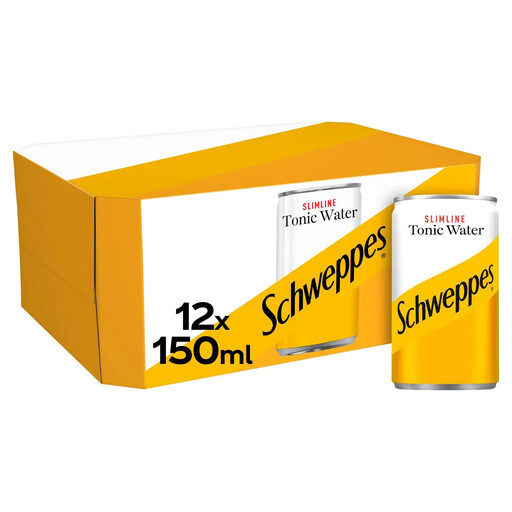 No image available
The 150ml cans offer individual servings if you want a slimline tonic for occasional snack breaks. Check this pack’s nutrition and sweetener declaration if those details are central to your choice.
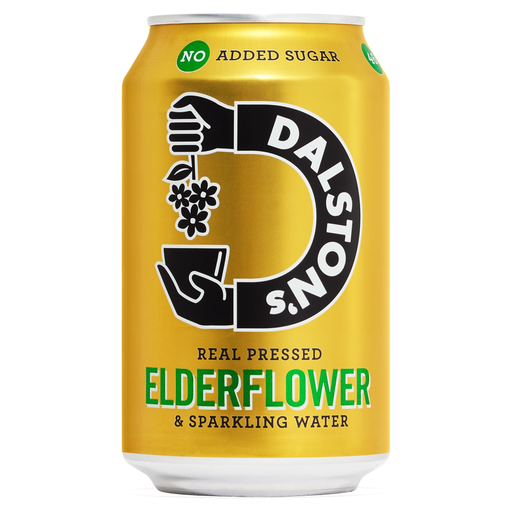 No image available
This elderflower fizzy drink offers a different flavour direction from tonic in a single 330ml can. Choose it for elderflower rather than assuming it will have tonic’s quinine bitterness; check the can’s ingredients and nutrition for the exact drink.
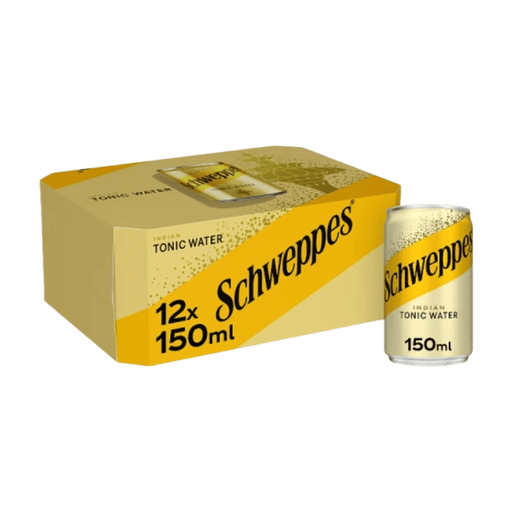 No image available
The 150ml cans suit individual servings when you want a standard tonic rather than a botanical light variant. Compare this pack’s sugar, sweeteners and ingredients with Slimline before deciding between them.
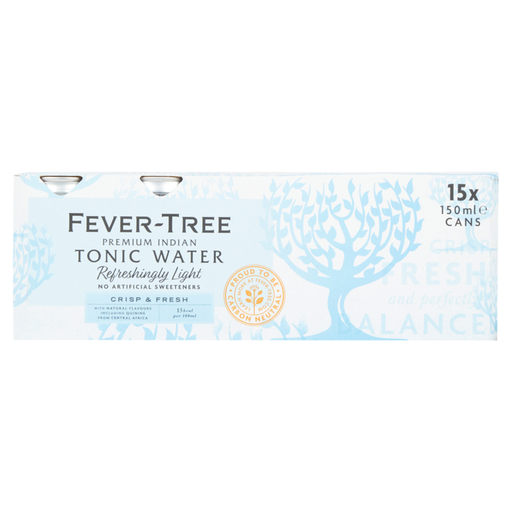 No image available
Consider this light botanical tonic if you want small servings while comparing it with the standard variant. Sainsbury’s lists 15kcal and 3.8g sugar per 100ml for this fifteen-serving product; light does not mean sugar-free.
Compare sugar and calories per 100ml first, then account for the amount you intend to drink. For example, Sainsbury’s lists 8g sugar per 100ml for Fever-Tree Premium Indian Tonic and 4.9g for standard Schweppes Tonic Water; check the exact pack rather than applying either figure to another variant.
No. Sainsbury’s lists 3.8g sugar per 100ml for Fever-Tree Refreshingly Light, and Fentimans lists 3.4g for Naturally Light. Sainsbury’s describes Schweppes Slimline as containing no sugar, while its Diet Indian Tonic lists less than 0.5g per 100ml. Check ingredients as well as nutrition.
Yes, if you enjoy its flavour without another drink added. A botanical tonic offers botanical notes and quinine bitterness; soda water is an alternative when you want carbonation without tonic’s bitterness or ready-made flavour.
Follow the instructions on your bottle. Tesco and Sainsbury’s say their listed 1L Indian tonics should be refrigerated and used within three days of opening, so smaller sealed servings may suit you better if you drink only one glass occasionally.