
24/7 Customer Support

Free returns

Same-day & Next-day Delivery

Quality Guaranteed

Unlock Your Welcome Offers: FREE Delivery | Up to 80% OFF | Free 30-day JoyPlus trial
Download the APP
A hot bowl of tonkotsu instant ramen noodles can be ready in minutes, but choosing the right product is less straightforward than the packaging suggests. “Pork bone flavour” may describe a creamy-style seasoning, a lighter savoury broth or a strongly seasoned soup with added garlic and chilli. Pack size, preparation method and allergen information can also make a significant difference to value and suitability.
Before buying Japanese pork bone ramen or other instant tonkotsu noodles, watch for these common pitfalls.
Tonkotsu traditionally refers to a rich pork-bone broth associated with Kyushu, particularly Hakata-style ramen. Instant products recreate this profile using combinations of pork flavouring, yeast extract, powdered oil, soy sauce powder, spices and other seasonings. That can deliver a rich pork broth noodles experience, but it is not necessarily the same as a broth simmered from pork bones.
Check the ingredient list rather than relying only on phrases such as “authentic” or “slow-cooked”. Some products are labelled “pork-style”, “artificial pork bone soup flavour” or “tonkotsu style”, which gives a clearer indication of what to expect.
A tonkotsu ramen multipack may offer a lower cost per serving, but it usually requires a saucepan, bowl and more preparation. Cups and bowls are easier for an office, student accommodation or travel, although their portions may be smaller and their packaging takes up more storage space.
Compare the net weight per serving, not simply the number of units. A five-pack of 125g servings provides a different meal size from a five-pack of 112g servings or a 63g bowl.
Instant noodle soup often contains a concentrated seasoning sachet. Nutrition panels supplied for these products show salt values ranging from around 3.5g to 6.8g per 100g, depending on the recipe. This is not a medical judgement, but it is an important comparison point for shoppers planning regular meals.
Wheat, soya and sesame appear frequently. Milk, barley, fish, celery and other allergens may also occur in selected recipes. Always read the latest UK packaging, including “may contain” statements, before purchase if you have an allergy or intolerance.
The noodle block is central to the eating experience. Wavy wheat noodles can hold seasoning well and may provide a springier bite, while thicker udon-style noodles offer a chewier texture. “Non-fried” or “0 fried” noodle descriptions relate to how the noodles are processed, but they do not automatically indicate a healthier overall meal.
Preparation times also vary. Many quick ramen noodles use boiling water and a three-minute steep, while some Itsuki products recommend boiling approximately 550ml of water or following a specific steeping method. Adding soup powder at the correct stage helps it dissolve evenly.
Look for the number of sachets included. A separate soup base, oil packet and vegetable packet can create a more layered Japanese-style flavour and allow some control over richness. Products with one powder sachet are usually simpler to prepare.
Garlic oil, sesame oil, chilli, miso and seafood seasonings can substantially change the profile. A red spicy tonkotsu cup is suited to shoppers who want heat, whereas a plain pork flavour instant noodles recipe may be easier to customise with spring onions, egg or cooked meat.
For regular household use, a five-serving pack can be practical for cupboards and meal planning. For occasional lunches, a single bowl or three-pack may reduce leftovers. Compare:
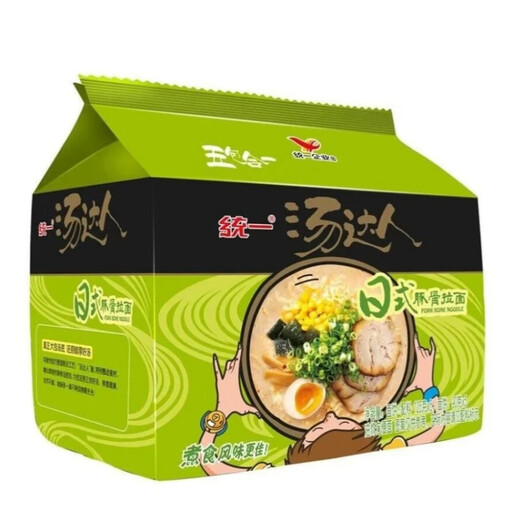
Why This Fits Their Persona: Five individually wrapped 125g servings suit students, shared flats and shoppers building a cupboard of quick meals without committing to individual cups.
The serving weight is clearly stated, while the ingredient list identifies wheat and soya allergens rather than leaving shoppers to infer the recipe from the front label.
Five individually wrapped portions; includes dehydrated cabbage, spring onion, corn and carrot.
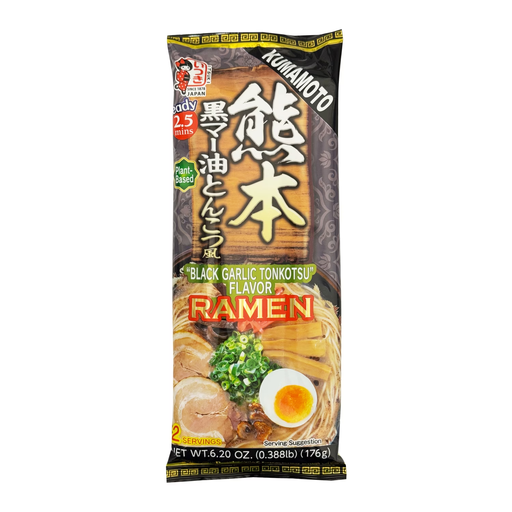
Why This Fits Their Persona: The two-pack is suitable for diners who want to explore a Japanese instant noodles style with a separate seasoning oil and a more deliberate saucepan preparation.
The pack contains two 88g servings and lists the preparation components, so buyers can compare portion and format instead of judging by the bowl image alone.
Two-pack format; contains wheat, soya and sesame, with seasoning oil for added aroma.
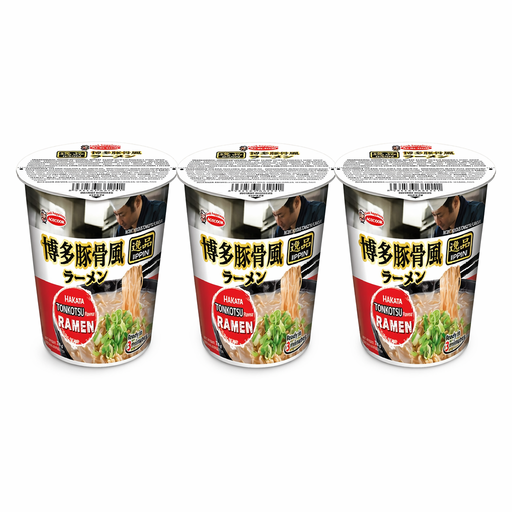
Why This Fits Their Persona: Three ready-portioned cups work well for office drawers, commuting, travel or anyone who wants instant tonkotsu noodles without carrying a saucepan.
The 74g cup size and three-unit quantity are stated clearly, helping prevent confusion between a single tonkotsu ramen cup and a larger multipack.
Cup preparation; dried leek, roasted sesame and seasoning components included.
We have compiled a complete, real-time list of products that fully satisfy these strict selection criteria and UK safety regulations.
Tonkotsu ramen is convenient on its own, but toppings can improve texture and variety. Try cooked sweetcorn, spring onion, mushrooms, pak choi, nori or a properly cooked egg. Leftover cooked meat can also be added, provided it has been stored and reheated safely.
Add toppings after preparation so the noodles do not become overly soft. Follow the product instructions for water volume and standing time, and do not microwave cups unless the packaging specifically permits it.
Many cup and bowl formats require boiling water and around three minutes of standing time. Some larger packs require boiling on the hob, while certain bucket formats specify five to six minutes. Check the individual instructions rather than assuming every product uses the same method.
Usually not. Pork flavour, pork bone flavouring, fish sauce, chicken-style flavouring or other animal-derived ingredients may be present. Ingredient lists vary considerably, so vegetarian shoppers should check the full label and allergen information before buying.
It can offer a lower cost per serving, but the answer depends on the pack price, serving weight and preparation format. Compare total price divided by the number of servings, then consider whether you value the convenience of a self-contained cup or bowl.