
24/7 Customer Support

Free returns

Same-day & Next-day Delivery

Quality Guaranteed

Unlock Your Welcome Offers: FREE Delivery | Up to 80% OFF | Free 30-day JoyPlus trial
Download the APP
Rich, savoury and comforting, tonkotsu ramen is a popular choice for UK shoppers who want Japanese-style noodles without preparing a pork-bone broth from scratch. However, product descriptions can make very different formats appear similar. A small cup, a five-pack of noodles and a 700g frozen meal may all use the same flavour name, yet offer very different portions, preparation times and storage requirements.
Before you buy, watch for three common pitfalls:
The right product depends on how you plan to eat it: a desk-friendly cup for a quick ramen meal, a bagged multipack for the cupboard, or frozen Hakata ramen for a more substantial bowl.
Tonkotsu ramen cups are convenient for offices, university accommodation and travel. They generally require boiling water and around three minutes of standing time. Check the net weight: products in the selection range from approximately 63g to 138g per cup.
Bagged noodles offer more flexibility. For example, a five-serving pack can be cooked in a saucepan or prepared with boiling water, depending on the instructions. It is useful for households that want to add vegetables, eggs or cooked meat.
Frozen ramen is a different proposition. A 700g serving may include broth, noodles, pork char siu and vegetables, but it requires freezer space and longer heating. It may be suitable for a main meal, whereas a small instant bowl is more appropriate as a lighter snack or quick lunch.
Tonkotsu traditionally refers to a rich pork-bone broth, but instant tonkotsu noodles may use several different formulations. Some list pork bone powder or pork-style flavouring; others combine seasoning, yeast extract, garlic, soy sauce powder and flavour enhancers.
If you are looking for black garlic tonkotsu ramen, check whether black garlic oil or black garlic powder is specifically listed. For spicy tonkotsu ramen, look for chilli oil, chilli extract or chilli paste. This makes it easier to distinguish a defined flavour component from general promotional wording.
Also check whether the product contains pork, chicken-style flavouring or fish sauce. Ingredients can vary between products with similar front-of-pack descriptions.
UK food labels identify allergens using emphasis such as bold type, but online listings may present the information differently. Common allergens in this category include:
For comparison, the listed salt values range from 3.4g to 6.8g per 100g across several instant products. These figures are not directly interchangeable with a serving unless you account for the product’s total weight. Always check the current packaging before purchase, particularly if you have an allergy or dietary restriction.
Shelf-stable Japanese instant ramen should generally be kept in a cool, dry place. Frozen products must remain at -18°C or below, should not be refrozen after defrosting and need to be heated according to the pack instructions.
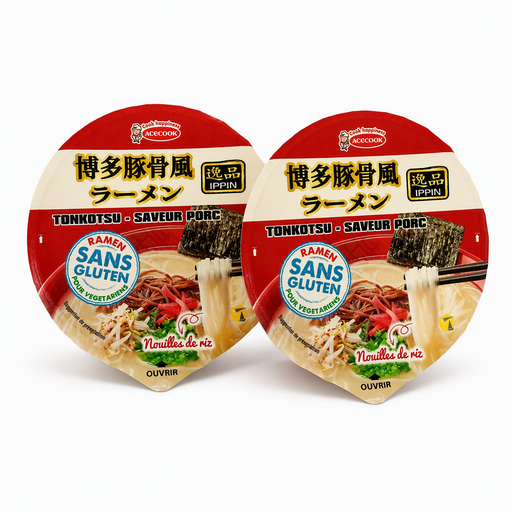
Why This Fits Their Persona: A two-bowl format gives first-time buyers a practical way to try tonkotsu flavour without committing to a large multipack or using freezer space.
The 63g net quantity is clearly stated, helping shoppers judge the portion instead of relying on the bowl’s appearance.
Single-serve bowl; approximately three-minute cooking time; includes sesame and dried spring onion.
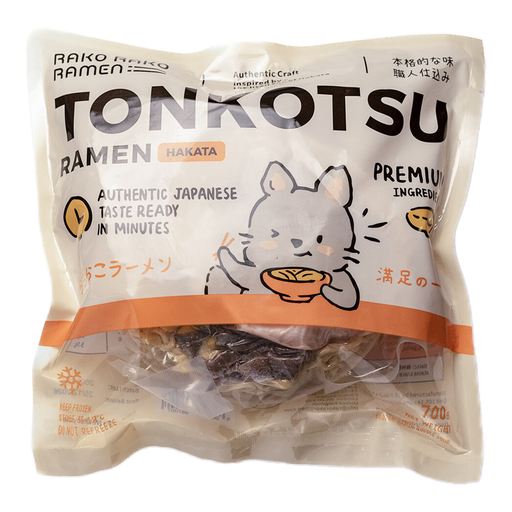
Why This Fits Their Persona: This option suits shoppers seeking a fuller Hakata ramen-style meal with broth, noodles, pork chashu and vegetables in one frozen serving.
The listing specifies the component percentages, including 56% pork bone broth, 29% noodles and 8% pork chashu.
700g serving; microwave or saucepan preparation; no additional water required.
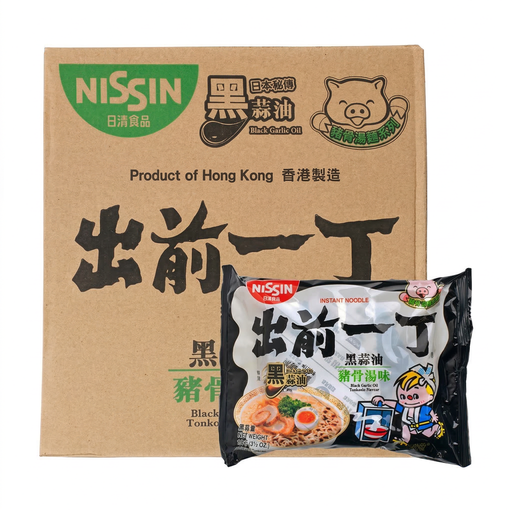
Why This Fits Their Persona: A 30-bag tonkotsu ramen multipack is suited to families, shared accommodation or regular cupboard-stock shoppers who enjoy black garlic flavour.
The pack contains individually packaged 100g servings, making the total quantity and storage arrangement clear.
Non-fried noodles; black garlic powder and oil listed; 30 individual bags.
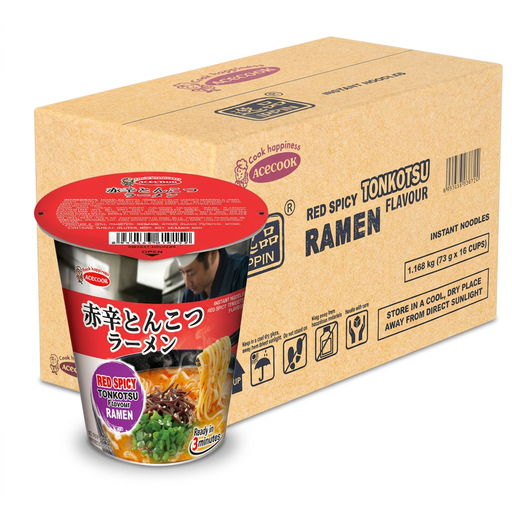
Why This Fits Their Persona: A compact cup format works for busy professionals and students who want chilli heat with their tonkotsu noodles and minimal washing-up.
The ingredients specifically identify chilli extract, spices and a separate oil component rather than using an unspecified “spicy” description.
Three-minute preparation; includes dried wood ear mushrooms, spring onion and sesame.
We have compiled a complete, real-time list of products that fully satisfy these strict selection criteria and UK safety regulations.
Follow the specific packet instructions. Many cups require you to add boiling water to the fill line, close the lid and wait around three minutes before stirring. Bagged products may require boiling in a saucepan or steeping in a bowl. Do not microwave a cup unless the packaging specifically permits it.
Shelf-stable products should be kept in a cool, dry place and consumed by the best-before date shown on the packaging. Once opened, use the seasoning and noodles promptly. Frozen ramen must remain at -18°C or below and should not be refrozen after thawing.
Not automatically. Wheat, soya and sesame are frequent ingredients, while some products also contain milk, fish, egg or barley. Read the full ingredient list and allergen statement on the product packaging before buying. If the online listing and packaging differ, use the latest packaging information as the reference.