
24/7 Customer Support

Free returns

Same-day & Next-day Delivery

Quality Guaranteed

Unlock Your Welcome Offers: FREE Delivery | Up to 80% OFF | Free 30-day JoyPlus trial
Download the APP
Rich, savoury and quick to prepare, tonkotsu ramen noodles are a practical cupboard option for UK households. The challenge is that products labelled “tonkotsu” can differ considerably in noodle texture, serving format, seasoning strength and ingredient profile.
Before buying Japanese instant ramen, look beyond the broth image on the packet. A creamy-looking soup may use flavouring rather than pork ingredients, while a large multipack may not suit someone who needs a quick desk lunch. The following guide highlights the key checks and matches different formats to common shopping needs.
Tonkotsu describes a Japanese-style broth associated with simmered pork bones, particularly in Hakata ramen and Kyushu ramen. Instant products often recreate this profile with seasoning powders, yeast extract, hydrolysed proteins, pork flavouring or tonkotsu-style flavouring.
Check the ingredients rather than relying on terms such as “rich”, “authentic” or “restaurant-inspired”. Some products may also contain chicken, fish sauce, milk, sesame or soya, which can affect suitability for dietary preferences and allergies.
A non-fried noodle block is one specific manufacturing feature. It does not automatically mean that the whole meal is low in salt, fat or calories. For example, soup and oil sachets can make a significant contribution to the finished bowl.
Use the UK nutrition panel and compare salt, saturates, energy and portion size per 100g. Lamianfan Tonkotsu Ramen Noodles list 5.2g of salt per 100g, while the exact values for other products vary by format and recipe. The sachet contents can also be adjusted if you prefer a milder soup.
A 30-pack can offer convenient storage for frequent users, but it may be excessive for occasional shoppers. Ramen noodle cups are useful at work, in student accommodation or while travelling, although they generally provide a single portion and may require access to boiling water.
Bags and bowls can offer more flexibility, while ramen noodle multipacks are more suitable for families or regular cupboard stocking. Dry tonkotsu ramen snacks are a different category altogether: they are ready to eat and crunchy rather than a replacement for a hot noodle meal.
Read whether the noodles are fried, non-fried, wavy, thin, wide or udon-style. Non-fried noodles may appeal to shoppers who prefer a smooth, chewy texture, but preparation still matters. A three-minute steep can produce a different result from boiling directly in a pan.
Some products use wheat flour, while others use modified starch or a blend. Anyone avoiding gluten should not assume that “Japanese-style” means gluten-free: wheat is listed in the products featured here.
A Japanese ramen soup base may be supplied as a powder, liquid seasoning or separate oil sachet. Black garlic tonkotsu ramen typically adds garlic oil or black garlic seasoning to a pork-bone-style profile, while spicy tonkotsu ramen may include chilli extract, chilli oil or additional spices.
Multiple sachets allow you to control the final taste, but they also create extra preparation steps. Check whether vegetables, oil and soup powder are included, and follow the pack instructions for the correct order of mixing.
UK shoppers should always read the current packaging, particularly when buying imported food. Relevant allergens across these products include wheat, soya, milk, sesame, barley, fish and egg. Ingredients and allergen declarations can change, so the label takes priority over online information.
Also check the net quantity and serving instructions. Some products require approximately 550ml of boiling water and three minutes of cooking or steeping. Do not consume products labelled as requiring cooking without heating them thoroughly, and do not microwave cups unless the packaging specifically permits it.
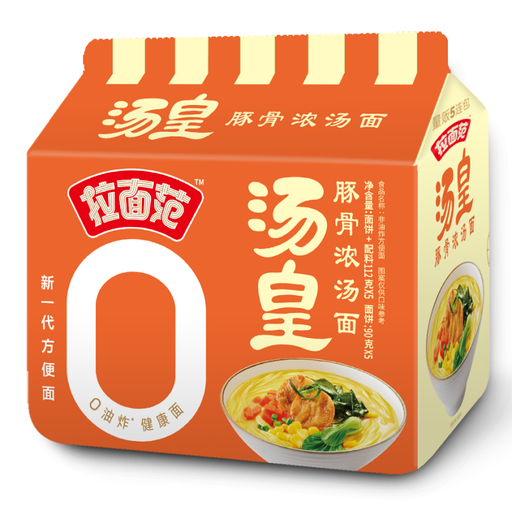
Why This Fits Their Persona: A five-pack gives students, couples and small families several servings without committing to a large case. It is designed for room-temperature cupboard storage and takes around three minutes to prepare with boiling water.
The listing identifies a non-fried noodle block, a 560g total quantity and separate soup, oil, vegetable and seasoned slices packets, making the contents clearer than a vague flavour claim.
Five individually prepared servings; non-fried noodle block; includes dehydrated vegetables and a garlic oil packet.
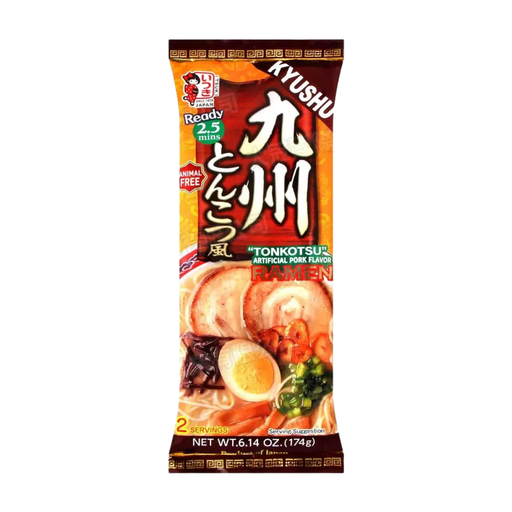
Why This Fits Their Persona: Suitable for shoppers seeking a Kyushu-style bowl they can customise at home with spring onions, eggs, nori or cooked meat.
The product separates pre-cooked wavy noodles from a concentrated soup base, so you can assess the noodle and seasoning components individually.
Kyushu positioning; soup base and noodles supplied separately; preparation uses approximately 550ml of water and three minutes.
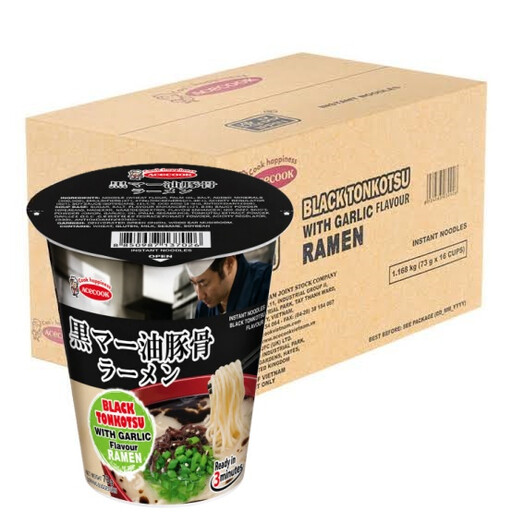
Why This Fits Their Persona: The single-serve cup is convenient for a workplace kitchen, university accommodation or travel bag where pan cooking is impractical.
The listing states the 73g unit size, three-minute preparation and the presence of black garlic flavour, rather than leaving the serving format unclear.
Cup format; black garlic flavour profile; includes sesame, wood ear mushroom and spring onion garnish.
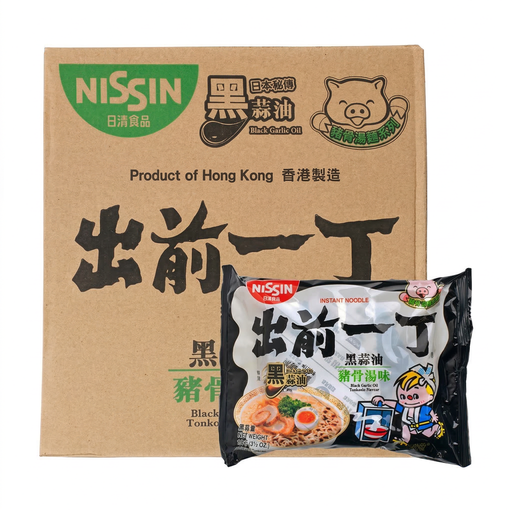
Why This Fits Their Persona: A 30-bag pack suits families, shared houses and regular instant noodle shoppers who have suitable dry, cool cupboard space.
The total quantity is clearly stated, helping frequent users compare the pack with smaller multipacks instead of judging value from front-of-pack imagery.
30 individually packed 100g servings; black garlic powder and garlic oil; includes dehydrated vegetables.
We have compiled a complete, real-time list of products that fully satisfy these strict selection criteria and UK safety regulations.
Follow the individual pack instructions. Many products require boiling water and around three minutes of cooking or steeping. Some instruct you to add vegetables first and soup seasoning later, while others ask you to boil the noodles in a pan. Check whether the cup is suitable for microwave use before heating it.
Unopened products can generally be stored in a cool, dry place until the best-before date printed on the packaging. Shelf life differs by product and batch, so do not rely on a generic timeframe. Once prepared, consume immediately and store opened products according to the label.
The main cost is the pack price, but frequent shoppers should also consider serving size, delivery charges and whether extra toppings are needed. Multipacks can reduce the per-serving purchase cost, while cups trade some value for portability and convenience. Adding vegetables, egg or cooked meat also changes the overall meal cost.