
24/7 Customer Support

Free returns

Same-day & Next-day Delivery

Quality Guaranteed

Unlock Your Welcome Offers: FREE Delivery | Up to 80% OFF | Free 30-day JoyPlus trial
Download the APP
Tonkotsu ramen noodles are popular with UK shoppers who want a savoury, creamy-style pork bone broth flavour without simmering stock for hours. However, product descriptions can make very different foods sound similar. A ramen cup, a dried noodle multipack, a soup base and a crispy ramen snack each serve a different purpose.
Before choosing, watch for three common buying pitfalls:
The format affects preparation time, storage and value.
Noodle type is a practical specification, not just a marketing phrase. Thin noodles cook quickly and can provide a lighter bite, while thick or wavy noodles may feel chewier and hold more seasoning.
Check whether the noodles are:
Always follow the packet instructions. Do not eat products marked “cooking required” raw, and check whether a cup is microwave-safe before heating it in that way.
For UK shoppers, the bold allergen declaration on the packaging is essential. Wheat is common in noodle blocks, while soya and sesame frequently appear in soup powders, oils and garnishes. Some products also list milk, fish, barley or celery.
Nutrition panels are normally shown per 100g, so compare like with like and remember to check the net weight per serving. For example, the listed Acecook Ippin Tonkotsu cup is 73g per unit, while the Itsuki Kumamoto product contains 176g across two servings. A larger pack may offer better cupboard value, but it is not automatically the most suitable option for occasional use.
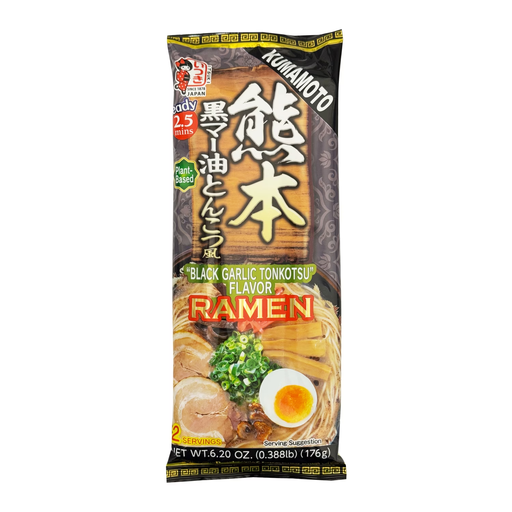
Why This Fits Their Persona: A two-serving pack gives first-time buyers an accessible way to try Japanese tonkotsu ramen at home without committing to a large multipack.
The listing separates the noodle, soup base and seasoning oil, making the preparation format clear rather than presenting it as a ready-to-eat snack.
Two servings, separate seasoning components and a stated 550ml water preparation method.
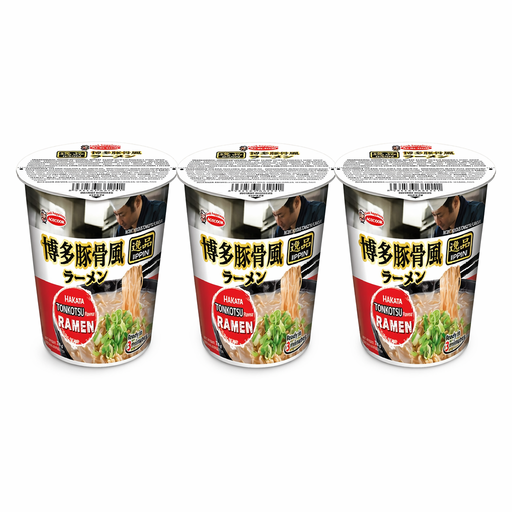
Why This Fits Their Persona: Suitable for shoppers who prioritise a Japanese-style cup format, portion consistency and a more involved seasoning profile.
The product size, three-cup quantity and listed allergens are visible, helping buyers compare the actual pack rather than relying on restaurant-style imagery.
Three 74g cups with wheat, milk, sesame, soya, fish and barley clearly listed as allergens.

Why This Fits Their Persona: The five-serving format suits families, shared cupboards and regular weekday meals where individual portions are useful.
The name identifies the flavour as artificial pork bone soup, so shoppers can distinguish it from products marketed as containing traditional pork broth.
Five 113g servings, with wheat, celery and soya beans identified in the supplied allergen information.
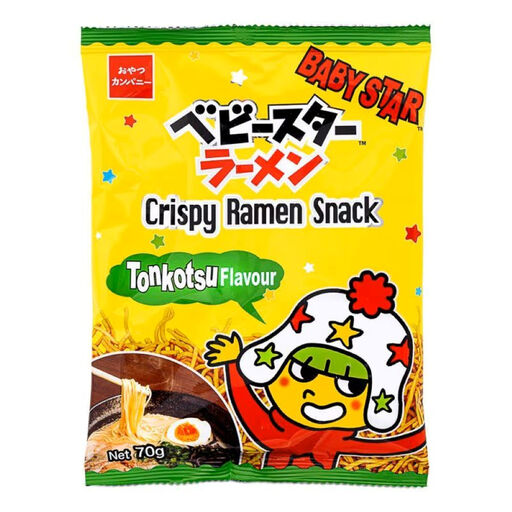
Why This Fits Their Persona: A practical choice for a ready-to-eat savoury snack, lunchbox addition or crunchy topping rather than a cooked tonkotsu noodle soup.
Its ready-to-eat format is explicit, avoiding the mistake of buying a soup product for immediate snacking.
Thin noodles provide a crunchy texture; the 70g pack can be eaten directly or used as a topping.
We have compiled a complete, real-time list of products that fully satisfy these strict selection criteria and UK safety regulations.
Preparation depends on the format. Many ramen cups require boiling water up to the marked line, followed by around three minutes of standing time. Bagged noodles may require boiling in approximately 550ml of water. Add seasoning according to the packet instructions and stir thoroughly before serving.
Yes. Add cooked vegetables, spring onions, a soft-boiled egg, nori or cooked meat after the noodles are ready. A separate tonkotsu ramen soup base can also be paired with noodles of your choice. Check the label first, as soup bases may contain soya, wheat, fish or other allergens.
Keep unopened products in a cool, dry place away from direct sunlight and follow the best-before date on the packaging. Once opened, reseal dry products carefully and consume them according to the label guidance. Prepared noodles should be eaten immediately rather than stored for later.