
24/7 Customer Support

Free returns

Same-day & Next-day Delivery

Quality Guaranteed

Unlock Your Welcome Offers: FREE Delivery | Up to 80% OFF | Free 30-day JoyPlus trial
Download the APP
Tonkotsu ramen noodles are a convenient way to enjoy a Japanese-style ramen meal at home, at work or in student accommodation. However, the phrase “tonkotsu” can cover very different products: fried noodle cakes, non-fried noodles, cups, packets, snacks and ready-to-use ramen soup bases.
The main flavour cue is usually a rich pork bone broth-style seasoning. It does not necessarily mean the product contains a traditional broth made by simmering pork bones. Many instant products use pork-style flavourings, hydrolysed proteins, yeast extract, seasoning oils and flavour enhancers to create a savoury profile. Checking the ingredients is therefore more useful than relying on front-of-pack wording.
Instant tonkotsu products are designed for speed and cupboard storage. Their soup may be supplied as a powder, concentrated liquid or oil sachet, rather than as a freshly prepared pork bone broth. Some products also include chicken-style flavouring, fish sauce, soy sauce or milk-based creamers.
If you have dietary or religious requirements, check the complete ingredient list and allergen statement. “Pork flavour” and “tonkotsu flavour” should not be treated as a guarantee of a particular meat content or preparation method.
A five-pack of packet noodles may offer better cupboard convenience for regular users, but it normally requires a saucepan or bowl and boiling water. Ramen cups and bowls are easier for office lunches, travel or rooms without a full kitchen, although the serving size and packaging format differ.
Also check whether the stated weight refers to one serving or the entire pack. For example, a 176g product may contain two 88g servings, while a 73g cup is generally a single portion.
Seasoning sachets can make a product strongly savoury, but nutritional values vary. The listed products range from 2.5g to 6.8g salt per 100g, so compare the label rather than assuming all tonkotsu instant noodles are similar.
Common allergens in this category include wheat, soya, sesame, milk, barley and fish. Some products may also be made in facilities handling eggs, crustaceans or buckwheat. Always check the current packaging before purchase, particularly if buying an imported product.
Look for wording such as non-fried noodles, wavy noodles or modified-starch noodles. These terms describe the noodle format, but they do not automatically indicate a preferred taste or nutritional profile. Non-fried noodles may suit shoppers looking for a smoother, springier texture, while fried noodle cakes are common in quick instant ramen.
Preparation varies from boiling for approximately three minutes to adding boiling water and waiting three minutes. Follow the instructions on the packet or cup. Some products ask you to add the soup after the noodles have softened, helping the seasoning dissolve more evenly.
A powder-only soup base is usually compact and easy to store. Products with separate soup, oil and vegetable sachets can provide more layers of flavour and toppings, but they involve more packaging and preparation steps.
For a creamy pork bone broth ramen profile, look for ingredients such as creamer powder, powdered oil, pork-style seasoning, garlic, yeast extract and sesame oil. For a hotter bowl, choose a spicy tonkotsu ramen product containing chilli extract or spices. Remember that flavour intensity is not a substitute for checking salt and allergen information.
For occasional meals, a single ramen cup or 63g bowl reduces opened-pack storage. Regular consumers may prefer ramen multipacks such as 5-packs or 4-packs. Compare the cost per serving, not just the total pack price.
Most cupboard-stable products should be stored in a cool, dry place away from direct sunlight. Once prepared, consume immediately. Ready-to-eat ramen snacks are different: they are eaten dry and should not be treated as soup noodles unless the packaging specifically says so.
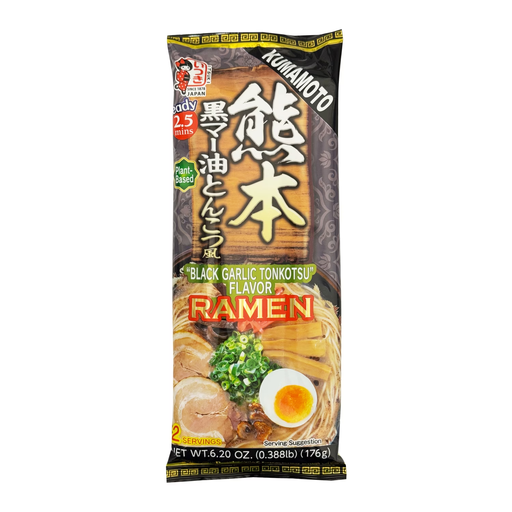
Why This Fits Their Persona: A two-serving format suits first-time buyers, couples or shoppers who want to try Japanese instant ramen without committing to a large multipack.
The pack quantity is clearly stated as two servings, making portion and cupboard planning straightforward.
Includes noodle, soup base and seasoning oil components; contains wheat, soya and sesame.
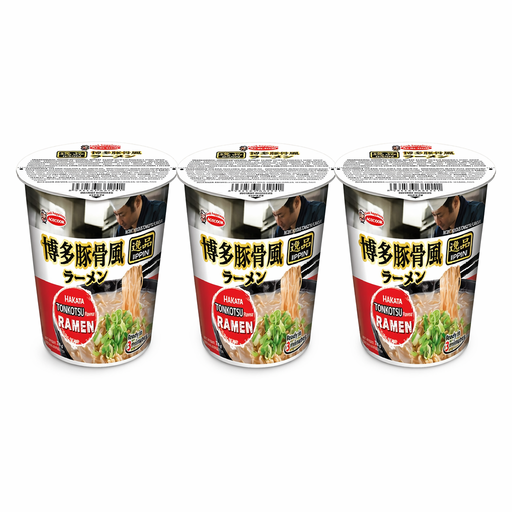
Why This Fits Their Persona: The three-cup format offers a more structured Japanese-style ramen experience for shoppers who prefer individual portions and a Hakata-inspired flavour profile.
The listing identifies the cup weight, multipack count and allergen details rather than leaving the serving format unclear.
74g individual cups; includes wheat, barley, milk, sesame, soya and fish allergens.
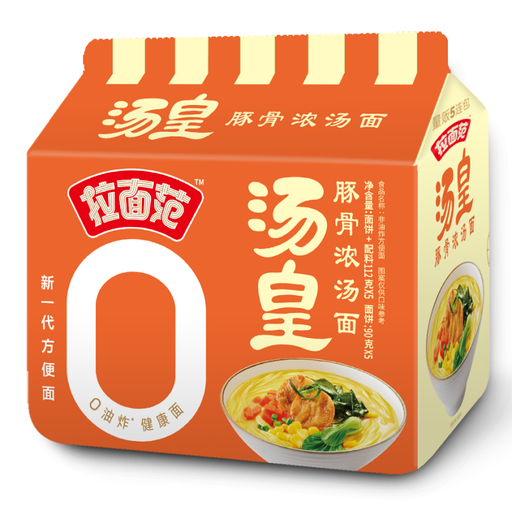
Why This Fits Their Persona: Five individually prepared servings work well for family cupboards, shared student kitchens and regular weekday meals.
The 5-pack and 112g-per-pack specification make it easier to compare cost per serving with smaller cups.
Non-fried noodle block; separate soup, oil, vegetable and seasoned slice sachets.
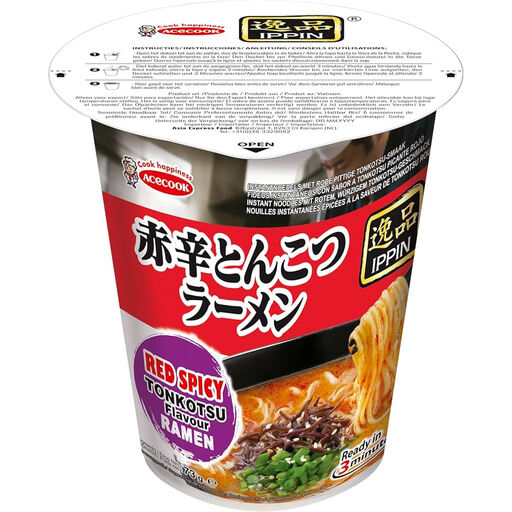
Why This Fits Their Persona: A single cup is convenient when you have access to boiling water but limited time, kitchen equipment or storage space.
The preparation instructions specify boiling water and a three-minute wait, with no saucepan required.
Includes chilli extract and sesame oil; contains wheat, milk, soya, sesame and fish allergens.
We have compiled a complete, real-time list of products that fully satisfy these strict selection criteria and UK safety regulations.
Not necessarily. Some products contain pork powder, pork-style flavouring, fish sauce or chicken-style flavouring. Others may use vegetable-based seasonings. Check the ingredients and suitability statement on the specific product rather than relying on the flavour name.
Many cups and bowls require boiling water and around three minutes of standing time. Packet noodles may require boiling in a saucepan. Preparation differs by product, so follow the instructions printed on the packaging.
Calculate the price per serving and compare the net weight. A multipack may reduce the cost per bowl, while cups provide their own container and can be more practical for workplaces or travel. Also factor in whether you need to buy additional noodles, soup base or toppings.