
24/7 Customer Support

Free returns

Same-day & Next-day Delivery

Quality Guaranteed

Unlock Your Welcome Offers: FREE Delivery | Up to 80% OFF | Free 30-day JoyPlus trial
Download the APP
Buying tool kits and sets can seem straightforward until you compare piece counts, storage cases and specialist accessories. A 149-piece household toolbox may suit furniture assembly but lack the socket sizes needed for car repair. Meanwhile, a compact DIY tool set may be easier to carry but unsuitable for drilling masonry or working on thick metal.
The right choice depends less on the largest number printed on the box and more on the tools, materials and specifications included.
A high piece count can include duplicate screwdriver bits, small accessories or fasteners that are rarely useful for your projects. Before buying, check whether the set contains the essentials you actually need: screwdrivers, pliers, a tape measure, hex keys, a hammer or a socket set.
For vehicle owners, confirm the drive sizes and socket coverage. For household repairs, look for practical hand tools rather than a case filled mainly with interchangeable bits.
Tools that are difficult to organise are easy to lose and slower to use. A case with labelled slots, locking clips or a removable tray can make a noticeable difference in a garage, flat or shared workshop. Consider the dimensions and weight if you need portable tool storage for a car boot, student accommodation or different work locations.
Drill bits, holesaws and fastening tools are designed for specific materials and applications. A step drill may suit sheet metal, alloys and plastic but not hardwood, masonry or thick steel. Similarly, a holesaw kit may be suitable for woodworking, plastic and light metal without being intended for heavy-duty structural work.
Read the stated material limits, operating speed and attachment type before starting a project.
For general household maintenance, a home repair tool kit should normally include:
A DIY tool set with an electric screwdriver can make repeated furniture assembly more convenient, but it should offer adjustable torque. Excessive torque can damage screw heads, fittings or softer materials.
For automotive work, focus on a mechanic tool set with ratchets, extension bars, combination spanners and metric sockets. A mixed metric and imperial selection may be useful for older vehicles or equipment, but check the actual sizes rather than relying on the product title.
Common materials include chrome vanadium steel, carbon steel and S2 steel. Chrome vanadium is widely used for sockets, spanners and other drive tools. S2 steel is commonly used for hardened screwdriver and hex bits. A polished or plated finish can make tools easier to clean and may help resist surface corrosion, but tools should still be wiped dry and stored away from damp conditions.
Handles also matter. Soft rubber or textured PVC can offer a more controlled grip during routine tasks. No handle removes the need to use the correct tool, avoid excessive force and wear eye protection when cutting, drilling or striking.
Check the connection between accessories and your existing equipment:
For powered tools, check the battery, charging method, torque settings and continuous operating guidance. Use protective eyewear and gloves where appropriate, disconnect power before changing accessories and follow the manufacturer’s instructions.
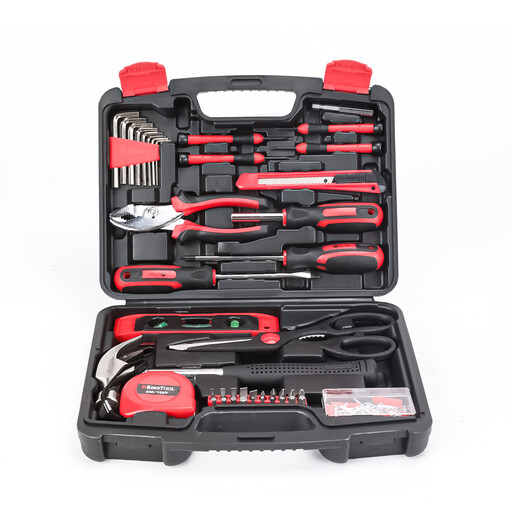
Why This Fits Their Persona: A practical starting point for homeowners, renters, students and new occupiers who need one household toolbox for everyday assembly and maintenance.
The contents are listed in detail, including screwdrivers, pliers, a hammer, level, tape measure, hex keys, bits and 106 hardware accessories, rather than relying only on the piece count.
Heat-treated carbon steel, CRV and stainless steel components; fitted plastic case with individual slots.
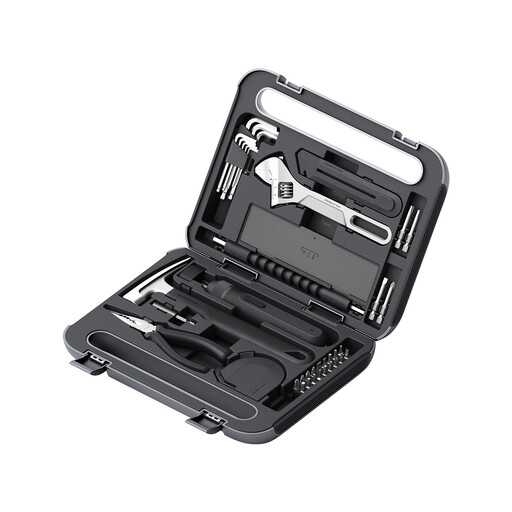
Why This Fits Their Persona: Suitable for users who value a compact presentation, electric assistance and manual backup for home improvement and everyday repairs.
It is not limited to powered use: the screwdriver can operate manually when the battery is depleted, while three powered torque settings provide adjustment for lighter tasks.
2,000mAh battery, Type-C charging, LED light, 18 short bits, four long bits and a clamshell storage case.
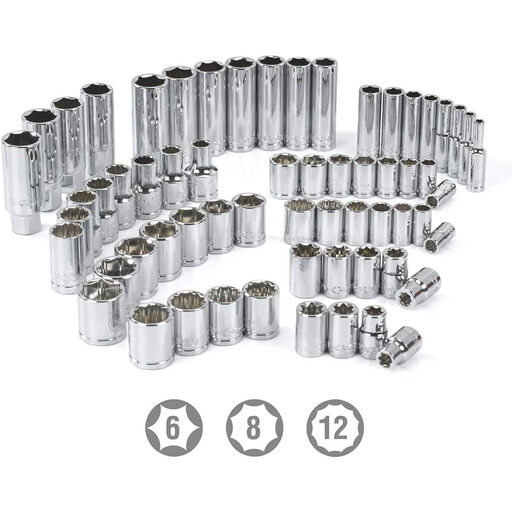
Why This Fits Their Persona: Designed for garage users, vehicle owners and workshop users who need broad coverage for car repair tools and general maintenance.
The set identifies its 1/2-inch, 1/4-inch and 3/8-inch drive formats, reducing uncertainty about ratchet and socket compatibility.
Includes sockets, ratchet handle, combination spanners, bits and hex keys in a four-tray blow-moulded case.
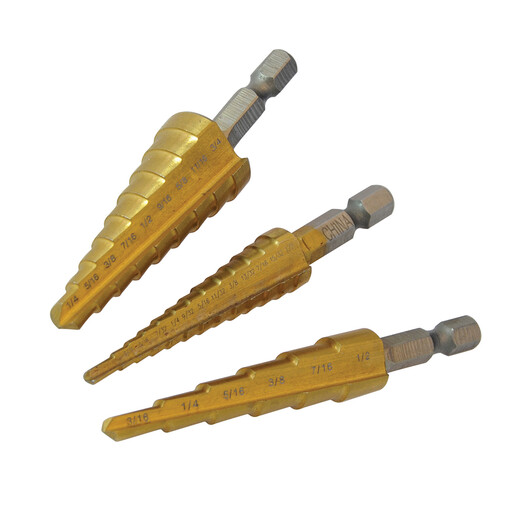
Why This Fits Their Persona: A targeted accessory for DIY users drilling sheet metals, alloys and plastics up to 4mm thick.
The stated limits make the application clear: it is not intended for hardwood, masonry or thick metals, helping prevent unsuitable purchases.
Three titanium-coated HSS bits, 2mm graduations and a 6.35mm quick-change hex shank for compatible drills and impact drivers.
We have compiled a complete, real-time list of products that fully satisfy these strict selection criteria and UK safety regulations.
Clean dust, oil and metal filings from tools after use. Dry sockets, bits and hand tools before returning them to the case, particularly if they have been used outdoors. Keep cutting accessories in their supplied wallet or box and avoid mixing different sizes.
For drill accessories, use steady pressure rather than forcing the bit. Check that the drill is powered off before changing attachments. When using a holesaw, confirm that the arbor is secure and do not exceed the stated maximum operating speed. For rivets, select the correct diameter and use a compatible rivet gun; a riveter kit containing drill bits does not necessarily include the rivet tool itself.
There is no useful universal number. A compact household toolbox with screwdrivers, pliers, a hammer, tape measure, utility knife, level and hex keys can cover many routine tasks. Choose a larger set when you also need sockets, spanners, wall-fixing accessories or car repair tools.
They can be worthwhile if you will use the additional drive sizes, sockets and accessories. However, a large case takes more space and may weigh more. Compare the actual contents with your planned jobs instead of choosing by piece count alone.
Return each item to its designated slot, wipe away moisture and keep the case in a dry area. Avoid using screwdrivers, sockets or bits as substitutes for chisels or levers. Correct use and dry, organised storage help reduce wear, loss and surface corrosion.